 Chandra Wijayanto
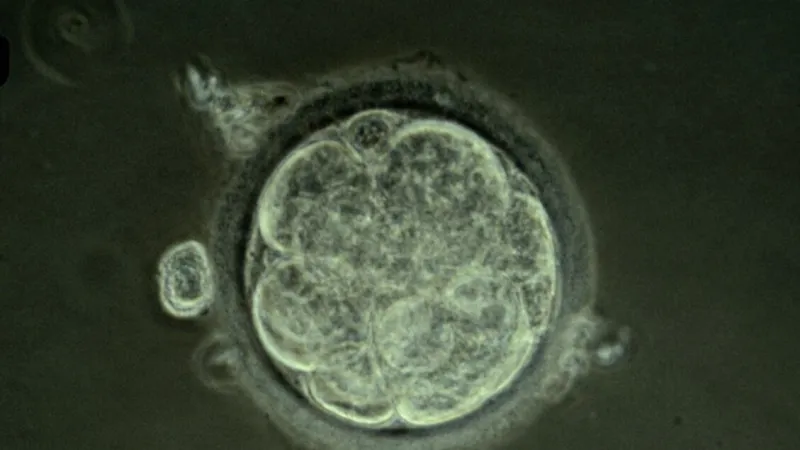
A groundbreaking scientific achievement has been reported: researchers have for the first time precisely modified the genes of human embryos. This landmark development aims to repair genetic errors responsible for various diseases, notably achieving this feat without introducing adverse effects, according to initial findings.
This unprecedented intervention offers a new frontier in addressing inherited conditions at their earliest stages. The primary objective is to correct faulty genes before they can manifest as debilitating illnesses, potentially preventing a lifetime of suffering for future individuals.
The successful precision gene editing represents a critical step forward from previous attempts, which often faced challenges related to off-target edits or mosaicism, where not all cells within the embryo are uniformly corrected. The current breakthrough underscores significant advancements in gene-editing technologies, likely involving sophisticated applications of tools such as CRISPR-Cas9.
Overcoming the hurdle of adverse effects is paramount. Earlier research in this sensitive area frequently raised concerns about unintended genetic alterations that could have unforeseen consequences on the developing embryo. The stated absence of such effects in this new study indicates a level of control and accuracy previously unattained.
This scientific milestone invariably reignites profound ethical debates surrounding human embryo modification. While the immediate goal is therapeutic, the very act of altering the human germline—changes that would be heritable by future generations—raises complex questions about human identity, genetic privacy, and the potential for non-therapeutic enhancements.
Regulatory bodies globally hold diverse stances on such interventions. Some nations maintain strict prohibitions on human germline editing, citing ethical concerns and the unknown long-term implications, while others have adopted more permissive frameworks for research purposes under stringent oversight.
Proponents argue that if safely implemented, germline gene editing could eradicate hereditary diseases like cystic fibrosis, Huntington's disease, and certain forms of muscular dystrophy from affected families for good. This would represent a paradigm shift from treating symptoms to eliminating the root cause of genetic disorders.
The historical trajectory of gene therapy has seen incremental progress, beginning with somatic cell gene therapy which modifies genes in non-reproductive cells, meaning the changes are not passed on. Germline editing, in contrast, aims to alter the reproductive cells, impacting subsequent generations.
The distinction between somatic and germline editing is crucial. While somatic therapies offer hope for current patients, germline modification holds the promise of preventing diseases across an entire lineage, making its ethical implications far more expansive and controversial.
Experts emphasize that despite this significant scientific leap, the path to clinical application remains long and arduous. Rigorous safety assessments, extensive preclinical studies, and transparent ethical deliberations are indispensable before any such technologies could be considered for use in human reproduction.
This breakthrough necessitates a robust and inclusive public discourse involving scientists, ethicists, policymakers, and the broader society. The profound implications for human health and evolution demand careful consideration and the establishment of clear, internationally harmonized guidelines.
The scientific community remains cautiously optimistic, acknowledging the immense potential for alleviating human suffering while stressing the imperative for responsible innovation. The journey from laboratory discovery to a safe, ethical, and widely acceptable clinical treatment will require continued vigilance and collaborative effort.