 Angel Doris
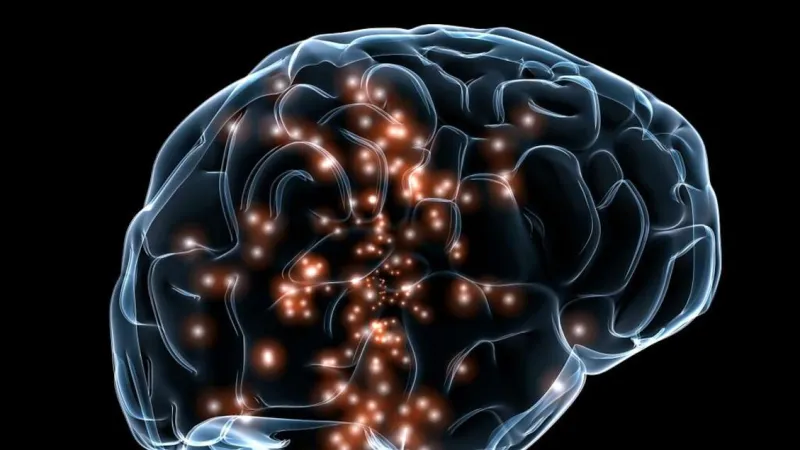
New scientific research confirms that severe psychological trauma experienced during childhood leaves distinct, measurable imprints within the brain's developing architecture, profoundly influencing an individuals cognitive development and long-term behavioral patterns. This revelation underscores the critical need for early intervention and robust support for young people facing adverse experiences.
Studies utilizing advanced neuroimaging techniques, such as functional magnetic resonance imaging (fMRI), have identified specific structural and functional changes in brain regions vital for emotion regulation, memory, and executive function. Areas like the prefrontal cortex, hippocampus, and amygdala show altered connectivity and volume in individuals with a history of early life trauma.
These neurological alterations manifest in various ways, impacting an individuals ability to cope with stress, form healthy attachments, and regulate their emotions. Children exposed to sustained trauma often develop hyper-vigilant responses to perceived threats, a survival mechanism that can become maladaptive in safer environments.
The biological mechanisms behind these changes involve chronic activation of the stress response system. Elevated levels of stress hormones, like cortisol, can damage developing neural networks, impede neurogenesis, and contribute to systemic inflammation, setting the stage for future physical and mental health challenges.
Experts in developmental neuroscience emphasize that the brain is particularly vulnerable during critical periods of development. Exposure to adverse childhood experiences (ACEs) during these formative years can permanently recalibrate stress thresholds and emotional responses, making individuals more susceptible to mental health disorders later in life.
Long-term consequences extend beyond psychological distress. Research indicates a significant correlation between childhood trauma and increased risks for chronic diseases, including heart disease, diabetes, and autoimmune disorders, highlighting a direct link between early life adversity and physical health outcomes.
The implications for public health are substantial. Recognizing the indelible impact of childhood trauma necessitates a paradigm shift in how societies approach child welfare, education, and healthcare. Proactive strategies focused on prevention and early detection are crucial.
While the brain shows remarkable plasticity throughout life, the earlier interventions begin, the more effective they tend to be. Therapeutic approaches focused on trauma-informed care aim to mitigate the damage by fostering resilience, teaching coping mechanisms, and providing safe, nurturing environments.
Addressing childhood trauma requires a multi-faceted approach involving parents, educators, healthcare providers, and policymakers. It is a societal challenge that demands collective action to protect the most vulnerable members of the community and ensure healthier developmental trajectories.
Further research continues to refine our understanding of these complex brain changes, offering hope for targeted interventions. Scientists are exploring genetic and epigenetic factors that modulate vulnerability and resilience to trauma, paving the way for personalized therapeutic strategies.
This scientific consensus reaffirms what many clinicians have long observed: the experiences of early life are not merely psychological events but leave tangible, biological signatures. Understanding these imprints is the first step toward effective healing and prevention.
Ultimately, fostering environments that protect children from severe trauma and provide immediate support when it occurs is not just a moral imperative, but a scientific necessity for ensuring the well-being of future generations.