 Chris Robert
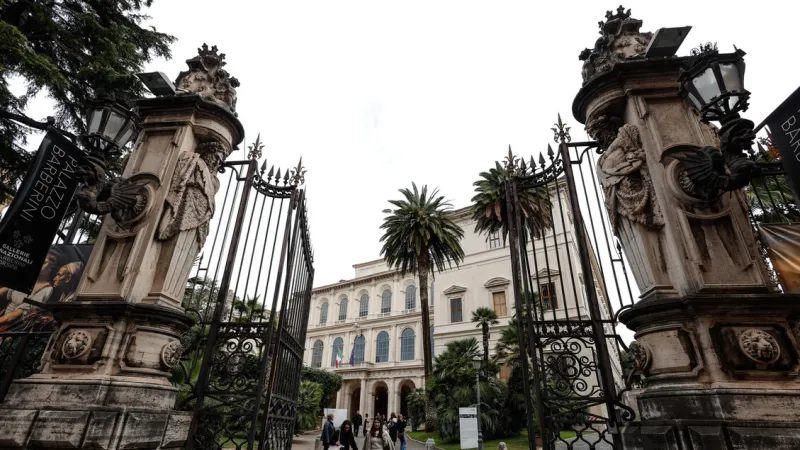
In Rome, the critically acclaimed "Bernini e I Barberini" exhibition at Palazzo Barberini is drawing to a close after attracting more than 150,000 visitors, making way for an eagerly anticipated summer featuring Johannes Vermeer's iconic "Woman in Blue Reading a Letter" starting in July, with works by Diego Velázquez slated to follow later in a curated program designed to maintain the museum's cultural momentum.
The "Bernini e I Barberini" exhibition celebrated the profound legacy of Gian Lorenzo Bernini and his intricate connections to the powerful Barberini family, whose patronage shaped much of Baroque Rome. Its impressive visitor numbers underscore the enduring appeal of the master sculptor and architect, solidifying its status as a major cultural event for the Eternal City.
The impending arrival of Vermeer represents a significant shift in artistic focus, moving from the grandeur of the Roman Baroque to the subtle domesticity and exquisite light of the Dutch Golden Age. Johannes Vermeer, celebrated for his meticulous detail and masterful use of light, commands immense respect worldwide, with his works rarely traveling.
Vermeer's "Woman in Blue Reading a Letter" is particularly renowned for its enigmatic subject and evocative atmosphere. The painting, a staple of the Rijksmuseum in Amsterdam, portrays a young woman absorbed in her correspondence, a common yet timeless motif that invites contemplation and introspection from viewers.
Securing such a high-profile loan from a prestigious institution like the Rijksmuseum reflects Rome's continued prominence on the international art circuit. These strategic collaborations allow global audiences access to masterpieces that typically reside in their permanent collections, fostering cultural exchange and dialogue.
For Palazzo Barberini, home to the Galleria Nazionale d'Arte Antica, this continuous rotation of world-class art is crucial for maintaining its vibrant public profile. The institution, steeped in history, leverages these exhibitions to attract diverse audiences, from seasoned art historians to casual tourists exploring Rome's rich offerings.
Following Vermeer, the museum plans to host works by the Spanish master Diego Velázquez, further broadening its artistic scope. Velázquez, a leading artist of the Spanish Golden Age, is celebrated for his portraits and historical scenes, offering yet another distinct artistic perspective to the Roman public.
These successive exhibitions featuring renowned artists like Bernini, Vermeer, and Velázquez are pivotal for Rome's cultural tourism sector. They not only attract international visitors but also provide residents with unparalleled opportunities to engage with global artistic heritage, reinforcing the city's identity as a nexus of art and history.
Italy, a nation synonymous with art, consistently stages exhibitions that draw significant public interest. The success of the "Bernini e I Barberini" show, and the anticipation for similar culturally significant events, highlights the nation's commitment to preserving and showcasing its artistic legacy while also embracing international masterpieces.
The economic ripple effect of such successful cultural initiatives extends beyond ticket sales, boosting local businesses from hospitality to retail. Major exhibitions act as catalysts for urban vitality, drawing visitors who contribute to the broader economy of the city.
Museum curators face the challenging task of balancing blockbuster appeal with scholarly integrity. The selection of Vermeer and Velázquez to succeed Bernini demonstrates a sophisticated approach to programming, ensuring both popular engagement and a profound exploration of art historical narratives.
These exhibitions also serve an important educational function, making complex art historical periods and individual artistic contributions accessible to a wider audience. Through accompanying catalogs, lectures, and guided tours, visitors gain deeper insights into the works and their creators.