 Robert Andrison
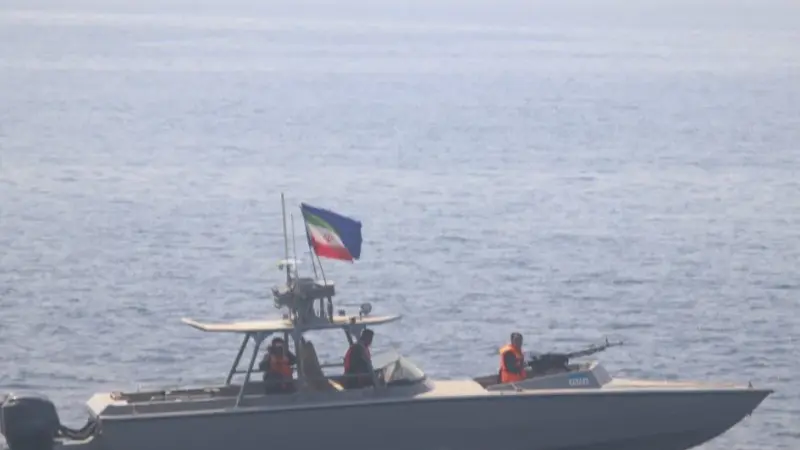
WASHINGTON — President Donald Trump issued a directive today, authorizing U.S. military forces to engage and destroy Iranian small boats if they harass American vessels or impede navigation in the critical Strait of Hormuz, a move that significantly escalates tensions in the Gulf.
This presidential order comes amid increasing reports of aggressive maneuvers by Iran's Islamic Revolutionary Guard Corps Navy (IRGCN) fast boats targeting international shipping and U.S. naval assets within the strategic waterway.
Sources within the Pentagon, who spoke on condition of anonymity due to the sensitivity of the command, confirmed the President's explicit instruction to "shoot and kill" any Iranian craft deemed an immediate threat to U.S. ships or commercial vessels under American protection. This marks a significant shift in rules of engagement.
The Strait of Hormuz, a narrow choke point between the Persian Gulf and the Arabian Sea, remains a vital artery for global oil shipments. Approximately one-fifth of the world's oil supply passes through this waterway daily, making its security paramount for international energy markets.
This directive by President Trump follows a series of confrontational encounters that have characterized US-Iran relations for decades, particularly since his current presidential term began in 2025. The administration has repeatedly warned Tehran against any actions threatening maritime freedom.
Military analysts suggest the new rules of engagement aim to deter future Iranian provocations by clearly defining the severe consequences for hostile acts. Previous incidents often involved warning shots or non-lethal deterrents, which some strategists argued were insufficient.
Senator Lindsey Graham, a vocal proponent of a strong stance against Iran, lauded the President's decision. "This administration has sent a clear message: American lives and international commerce will not be threatened," Senator Graham stated in a press release.
Critics, however, voiced concerns that such an explicit "shoot and kill" order could inadvertently lead to miscalculation and a rapid escalation of conflict in an already volatile region. Diplomatic efforts, they argue, should remain the primary tool for de-escalation.
The U.S. Navy's Fifth Fleet, based in Bahrain, routinely operates in the Persian Gulf and surrounding waters, monitoring Iranian activity. The enhanced authorization empowers commanders on the ground to respond decisively without awaiting lengthy approvals from higher command.
While the specific wording of the order was not immediately released, the implication for US-Iran relations is profound. Tehran has historically viewed American military presence in the Gulf as an act of aggression and often responds with rhetoric condemning such actions.
Oil prices saw a moderate spike on international markets following news of the directive, reflecting investor anxiety over potential disruptions to crude supply from the Middle East. Energy experts are closely watching developments as the situation unfolds.
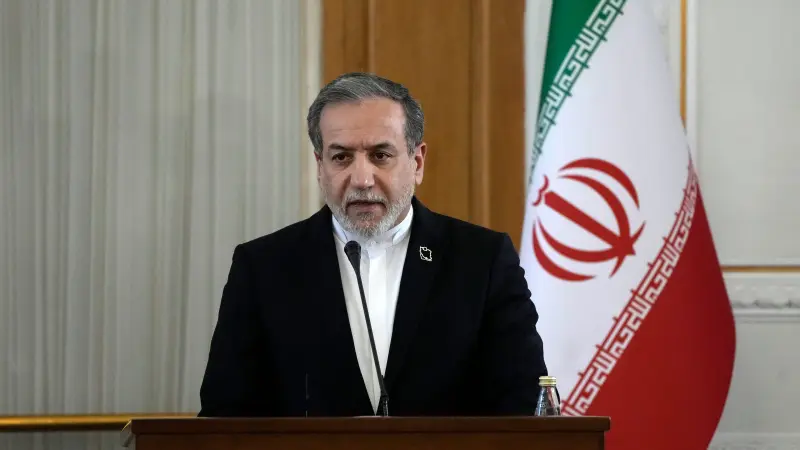
As of this report, the Iranian foreign ministry has yet to issue an official statement regarding the presidential order. However, state-affiliated media outlets in Iran have begun reporting the development, framing it as an aggressive American posture.
This order significantly reinforces the "maximum pressure" campaign against Iran, which President Trump reinstated and intensified since assuming office for his current term. The campaign seeks to curb Iran's nuclear ambitions and regional influence.
The U.S. Department of Defense declined to offer further comment on the specifics of the new engagement rules, referring inquiries to the White House. The White House press office did not immediately respond to requests for clarification on the operational details.
Maritime security experts indicate that the effectiveness of the new order will hinge on its consistent application and the reactions of other regional and international maritime powers operating in the Strait of Hormuz.