Angel Doris
BOSTON - Scientists have made a pivotal discovery, identifying a novel mechanism by which tumors actively disarm the body’s immune system. The research reveals that cancer cells release natural antioxidants, effectively shutting down immune cells tasked with destroying malignant growths, thereby exploiting a fundamental weakness in the body’s protective defenses. This breakthrough offers a promising new direction for developing more potent cancer treatments.
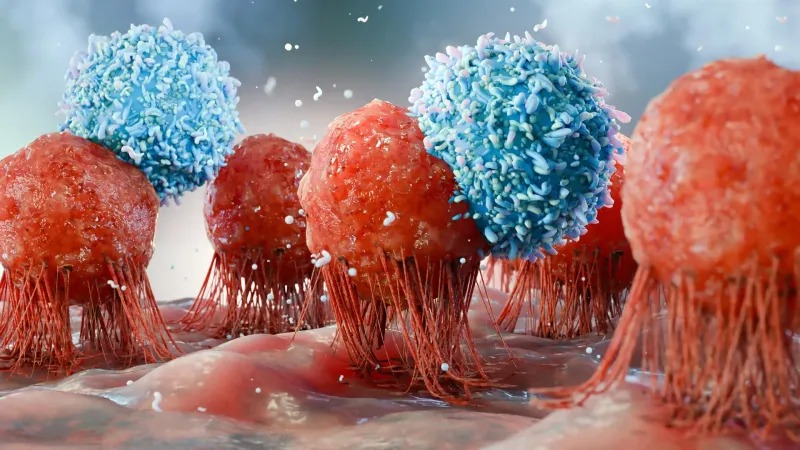
The immune system typically recognizes and attacks cancerous cells, but tumors often employ ingenious strategies to evade detection and destruction. This latest finding highlights one such stealth tactic. Researchers pinpointed specific antioxidant molecules secreted by tumor cells that directly interfere with the function of T-cells and natural killer cells, crucial components of the adaptive and innate immune responses respectively.
Experiments conducted on mice demonstrated the profound impact of this antioxidant release. When immune cells were exposed to these tumor-derived antioxidants, their ability to identify and eliminate cancer cells was significantly impaired. The researchers observed a marked reduction in the immune system’s cytotoxic activity, allowing tumors to grow and spread unchecked.
Crucially, when scientists blocked this antioxidant-mediated disarming mechanism in preclinical models, the immune cells regained their potency. This restoration of immune activity led to a substantial improvement in the efficacy of existing immunotherapy treatments. This suggests a two-pronged approach: disarming cancer’s defensive shield while simultaneously boosting the immune response.
The field of oncology has increasingly focused on harnessing the body’s own immune system to fight cancer, a strategy known as immunotherapy. While immunotherapies have transformed outcomes for many patients, a significant number still do not respond, or eventually develop resistance. This new discovery may explain one critical reason for these treatment failures, offering a new target for intervention.
Antioxidants are generally perceived as beneficial compounds that protect cells from damage caused by free radicals. They are widely promoted for their health benefits and are abundant in many foods and supplements. However, this research flips that understanding on its head in the context of cancer, showing how malignant cells co-opt a natural biological process for their own survival, particularly in suppressing cancer immunity.
The identification of specific antioxidant pathways manipulated by tumors opens avenues for targeted drug development. Researchers can now explore compounds designed to neutralize these tumor-secreted antioxidants or to protect immune cells from their suppressive effects. Such agents could serve as standalone therapies or, more likely, as powerful adjuvants to existing immunotherapies.
The findings, while preclinical, carry considerable implications for human oncology. Medical experts suggest that understanding this fundamental mechanism could unlock new strategies to enhance current treatments. The ability to reverse immune suppression caused by tumor-secreted antioxidants represents a significant advancement, potentially offering hope to patients for whom existing immunotherapies have been ineffective.
Translating these findings from mouse models to human patients will involve rigorous clinical trials. Scientists will need to identify the precise antioxidant molecules involved in human cancers and develop safe and effective ways to block their activity without compromising the body’s essential antioxidant defenses. The complexity of the human immune system presents significant challenges, yet the initial results offer substantial hope.
The ultimate vision is to develop a new class of drugs that restore the immune system’s natural ability to fight cancer, turning unresponsive tumors into vulnerable targets. This could expand the reach of immunotherapy, making it effective for a broader spectrum of cancers and patient populations. The discovery provides a crucial piece to the intricate puzzle of cancer immunity, moving science closer to comprehensive and durable cures.