Gabriella
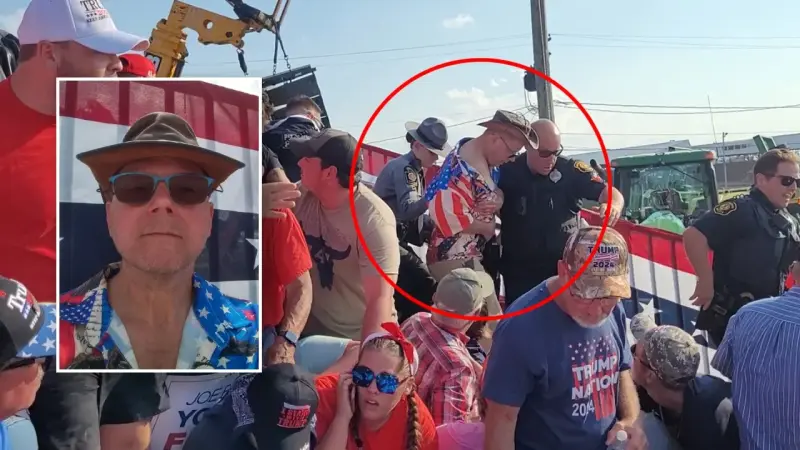
WASHINGTON — Federal prosecutors contend Cole Allen captured a selfie on his mobile device just moments before an alleged assassination attempt targeting President Donald Trump at a recent White House Correspondents' Association (WHCA) dinner. The startling revelation emerged during preliminary hearings, painting a chilling portrait of premeditation in the high-stakes security breach that shocked the nation.
The incident, which authorities swiftly thwarted, occurred during the annual WHCA gala, a prominent event drawing political figures, journalists, and celebrities. The alleged plot, which authorities are still unraveling, prompted an immediate lockdown and a comprehensive review of presidential security protocols, particularly concerning access to high-profile public events.
Allen, whose background remains a focal point of the ongoing investigation, faces multiple charges related to terrorism and attempted murder of a federal official. Prosecutors allege the selfie served as a deliberate personal memento, underscoring a calculated and audacious intent to target the nation's chief executive.
During court proceedings this week, Assistant U.S. Attorney Evelyn Reed presented digital evidence, including the timestamped photograph recovered from Allen's seized phone. Reed described the image as a "self-congratulatory snapshot taken in the shadow of impending violence," directly linking Allen to the alleged conspiracy.
Defense attorneys for Allen have yet to publicly address the specific selfie allegation, but they have broadly argued against the prosecution's characterization of their client's actions. They are expected to challenge the interpretation of the digital evidence and the overall narrative of premeditated intent as the trial progresses.
The audacious nature of the alleged plot at such a prestigious event has led to widespread condemnation and calls for heightened security measures at all presidential appearances. The WHCA dinner itself, a tradition steeped in history, is under scrutiny regarding its future format and guest vetting procedures.
President Trump, who was quickly moved to a secure location during the brief disturbance, later commended the Secret Service for their swift and decisive actions. A statement from the White House praised the courage of law enforcement and reiterated the administration's commitment to ensuring the safety of all public servants.
Investigators from the Federal Bureau of Investigation (FBI) and the Secret Service continue to meticulously trace Allen's movements and communications leading up to the dinner. Sources close to the investigation, who spoke on condition of anonymity due to the sensitive nature of the case, indicate authorities are examining potential accomplices and broader organizational ties.
The alleged incident adds to a troubling pattern of increased threats against public officials and underscores the persistent challenges faced by security agencies in an era of heightened political polarization. Experts in national security note the evolving tactics of individuals and groups seeking to disrupt democratic processes.
As the legal proceedings against Cole Allen advance, the public will keenly watch for further revelations regarding the alleged selfie and its role in the prosecution's case. The implications for presidential security and the future of high-profile public gatherings remain significant, ensuring rigorous scrutiny in the months ahead.
Allen is currently being held without bond, with the next court appearance scheduled for late spring. Prosecutors have indicated they will seek the maximum penalties under federal law, emphasizing the gravity of an attempt on the life of the President of the United States.
Security analysts suggest that the alleged use of a selfie as a precursor to such an attempt could indicate a shift in perpetrator psychology, leveraging digital tools for personal glorification alongside their planned actions. This aspect is likely to be explored in depth during expert testimony.