Angel Doris
Abu Dhabi, United Arab Emirates – High-level representatives from Ukraine, Russia, and the United States are poised to convene next week in the Emirati capital for a fresh round of diplomatic talks. These imminent discussions aim to address the protracted conflict, though seasoned observers caution against anticipating an immediate breakthrough, tempering the optimistic pronouncements made by President Donald Trump regarding the potential for a swift resolution.
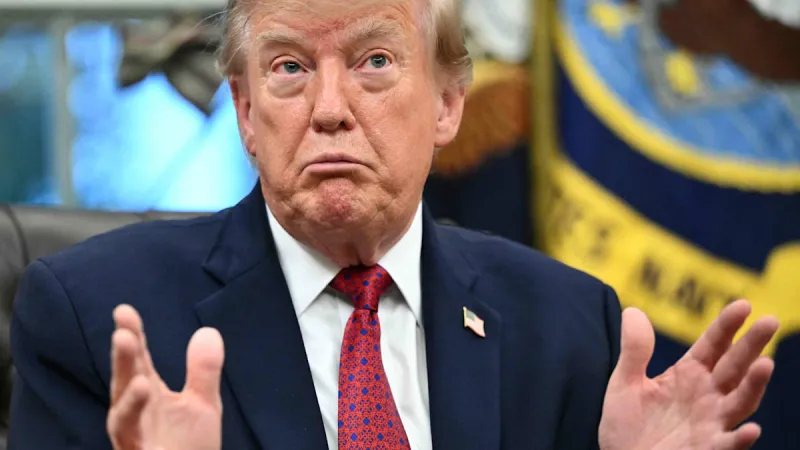
Daniel Koop, a prominent reporter closely following the unfolding international diplomacy, expressed a reserved outlook. "The big breakthrough, as Trump announced it, I don't expect it," Koop stated, underscoring a sentiment of caution prevalent among analysts tracking the complex geopolitical landscape. This perspective suggests that while dialogue is crucial, immediate, dramatic shifts are unlikely.
President Trump has frequently voiced optimism about his administration's capacity to facilitate a resolution to global conflicts, often hinting at significant diplomatic triumphs. His public declarations, which have sometimes preceded sensitive negotiations, set a high bar for these upcoming Abu Dhabi talks. However, the intricacies of the Ukrainian-Russian conflict present formidable obstacles to any rapid accord.
The trilateral format, involving key belligerents and a major global power, signifies a sustained effort to find common ground. Ukraine has consistently sought international mediation to restore its territorial integrity, while Russia has maintained specific security demands. The United States, under President Trump, has positioned itself as a potential arbiter, seeking to de-escalate tensions and promote stability.
Previous attempts at de-escalation or peace agreements have often faltered, highlighting the deep-seated disagreements and mistrust between Kyiv and Moscow. Observers note that any meaningful progress would require substantial concessions from all sides, a scenario that remains challenging given current political realities and strategic objectives.
The choice of Abu Dhabi as the host city underscores a growing trend of neutral nations offering venues for sensitive international diplomacy. The United Arab Emirates has increasingly played a role in facilitating dialogue on complex global issues, leveraging its diplomatic reach and strategic location to foster engagement away from traditional European or American capitals.
Despite his tempered expectations for a grand breakthrough, reporter Koop views the mere occurrence of these new talks as a fundamentally positive development. He characterized the convening of the delegations as a "good sign," indicating a willingness across the parties to maintain channels of communication, an essential precursor to any eventual peace process.
The agenda for the upcoming sessions likely encompasses a range of critical issues, including potential ceasefires, humanitarian corridors, prisoner exchanges, and longer-term security guarantees. Analysts suggest that even incremental agreements on these fronts could pave the way for more substantive negotiations in the future, gradually building trust where it is currently lacking.
International reactions to the impending talks remain a mix of hope and cynicism. European allies are closely watching the proceedings, particularly given the conflict's impact on regional stability and energy markets. Global attention highlights the urgency of finding a lasting solution to a conflict that has reshaped geopolitical alliances and challenged international norms.
President Trump's administration has made foreign policy a cornerstone of its second term, with a particular emphasis on brokering peace deals and reconfiguring international agreements. The Abu Dhabi meeting serves as a significant test of this diplomatic approach, particularly in a region as fraught with historical and contemporary complexities as Eastern Europe. This aligns with broader efforts by President Trump to engage in high-stakes negotiations, mirroring past instances such as those explored in Audi's US Expansion: Billions in Aid, Jobs Hinge on Trump Negotiations.
The broader implications of these Ukraine-Russia talks extend beyond the immediate conflict zone. A lasting resolution could alleviate pressure on global supply chains, stabilize commodity prices, and reduce geopolitical uncertainties that have reverberated across continents. Conversely, a failure to make headway could further entrench the conflict, prompting renewed international concern.
Historical precedents offer a mixed bag of outcomes for such high-stakes negotiations. While some multilateral talks have yielded significant peace accords, many have devolved into protracted stalemates. The challenge in Abu Dhabi lies in bridging ideological divides and strategic interests that have deepened over years of antagonism.
Each delegation arrives in Abu Dhabi under significant domestic political pressure. For Ukraine, the imperative is to secure its sovereignty and territorial integrity. Russia seeks recognition of its security concerns and strategic interests. The United States aims to demonstrate its leadership in global peacemaking, all while navigating the complexities of its own domestic political landscape.
The conflict's economic and human costs continue to mount, lending an urgent backdrop to these diplomatic endeavors. Millions remain displaced, and the reconstruction needs are immense. The global community eagerly awaits any sign of progress that could alleviate suffering and set a path toward recovery.
While the "big breakthrough" may elude the immediate horizon, the continuation of dialogue in Abu Dhabi represents a vital, albeit fragile, pathway. It underscores the enduring necessity of diplomacy even amid profound disagreements, offering a glimmer of hope that sustained engagement might eventually yield incremental steps toward a more peaceful future.