 Chandra Wijayanto
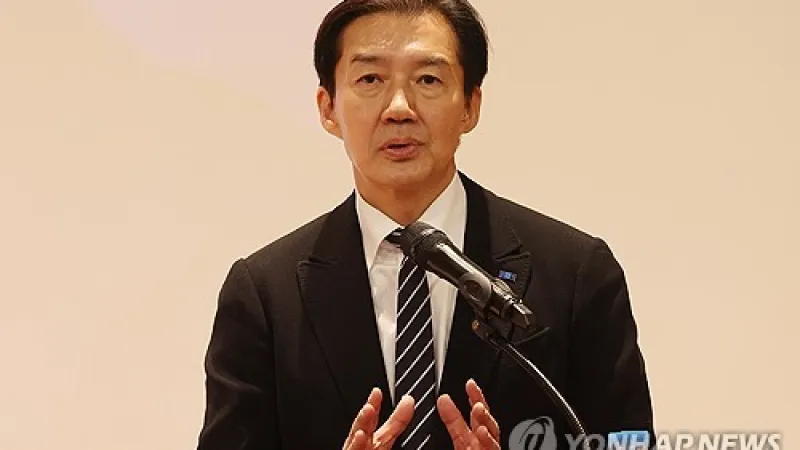
SEOUL, Nov. 17, 2026 – Cho Kuk, the prominent former South Korean justice minister and leader of the minor Rebuilding Korea Party, was denied entry to Japan today by immigration authorities, officials confirmed. The unexpected refusal occurred upon his arrival at a Japanese airport, sparking immediate political speculation and raising questions about the diplomatic implications of such a decision concerning a high-profile foreign political figure.
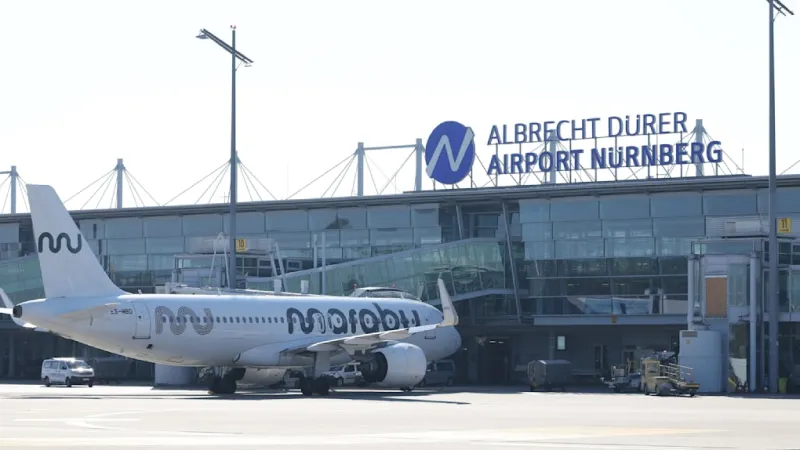
The incident unfolded this morning when Cho Kuk attempted to clear immigration at a major Japanese airport, though specific details about the airport were not immediately released. Japanese officials reportedly informed him that he was ineligible for entry, citing undisclosed reasons. He was subsequently put on a return flight to South Korea, cutting short what was understood to be a private visit.
Cho Kuk, a former professor of law, served briefly as justice minister under former President Moon Jae-in before resigning amid a swirl of allegations involving his family's investments and academic fraud. Despite these controversies, he remains a vocal figure in South Korean politics, having recently founded and led the Rebuilding Korea Party, which aims to present a progressive alternative in the country's fragmented political landscape.
His political career has been heavily overshadowed by ongoing legal battles. In 2023, a Seoul court sentenced him to two years in prison for bribery and academic fraud related to his children's university admissions. He appealed the verdict, and the case remains under appellate review, allowing him to participate in political activities while out on bail. This history of serious legal entanglement likely factored into Japan's decision.
The refusal of entry echoes past scrutiny faced by high-profile South Korean figures, including the broader public demand for accountability that led the Seoul Cabinet to mandate a special counsel probe into fabricated indictment allegations in unrelated cases. While Cho Kuk's case is distinct, the emphasis on legal rectitude in public life is a recurring theme in the nation.
While Japanese immigration authorities offered no public explanation for their decision regarding Cho Kuk's Japan entry, experts quickly posited several potential reasons. A common ground for entry denial includes a prior criminal record, especially for felonies, or being deemed a risk to public safety. Given Cho Kuk's suspended prison sentence, albeit under appeal, this legal standing could serve as a direct impediment under standard immigration protocols.
The denial, however, extends beyond a mere administrative procedure due to Cho Kuk's prominent political status. Such an action against a former cabinet minister and current party leader could strain the already sensitive diplomatic relationship between South Korea and Japan, which often navigates historical disputes and contemporary geopolitical alignments with caution. Both nations are key allies to President Donald Trump's administration, adding another layer of complexity.
Representatives from the Rebuilding Korea Party expressed dismay at the development, calling it an unprecedented and politically motivated move. They vowed to seek clarity from both the Japanese and South Korean governments regarding the rationale behind the denial, suggesting it may constitute an infringement on a political figure's right to international travel.
The South Korean Ministry of Foreign Affairs acknowledged the incident, stating it was gathering information and assessing the situation. A ministry official, speaking on background, emphasized that Seoul expects its citizens, particularly public figures, to be treated fairly and transparently when traveling abroad. No formal protest has been lodged yet, pending further investigation.
Historically, such high-profile entry denials are rare between South Korea and Japan for non-criminal individuals. Instances typically involve individuals with a well-documented history of serious offenses or those perceived as direct threats to national security. The lack of specific public charges from Japan has fueled considerable conjecture among political analysts in both countries.
The incident undoubtedly casts a shadow over Cho Kuk's political ambitions. As he endeavors to establish his party as a significant force, an international travel ban, even if temporary, could be weaponized by his political opponents to question his credibility and suitability for public office. His ability to rally support and project an image of national leadership could be compromised.
The timing of this incident is noteworthy as both South Korea and Japan face escalating regional challenges, including cybersecurity threats and North Korean provocations. Maintaining strong bilateral ties is crucial for regional stability, and any perceived slight could complicate efforts to foster unified fronts on critical issues.
Professor Lee Hyun-woo, an international relations expert at Seoul National University, noted, "While Japan has sovereign rights over its borders, the denial of entry to a former minister, especially without clear public reasons, risks being interpreted as a diplomatic statement rather than a purely administrative one. It will be interesting to see how both governments manage the narrative moving forward."
Should the incident remain unresolved or if Japan maintains its silence on the specific reasons, it could lead to increased diplomatic friction. This might involve reciprocal actions, though such measures are typically reserved for more severe bilateral disputes. For now, the focus remains on fact-finding and diplomatic communication channels.
The news has already ignited a vigorous debate across South Korean social media platforms, with supporters decrying the decision as unfair and politically motivated, while critics point to his ongoing legal battles as justification. The episode underscores the deep divisions within South Korean society regarding justice and accountability for public officials.
The Rebuilding Korea Party announced its intention to hold a press conference tomorrow to address the matter further and outline its strategy for seeking clarification. This incident is poised to remain a prominent topic in both South Korean domestic politics and Japan-Korea diplomatic discourse for the foreseeable future.