 Robert Andrison
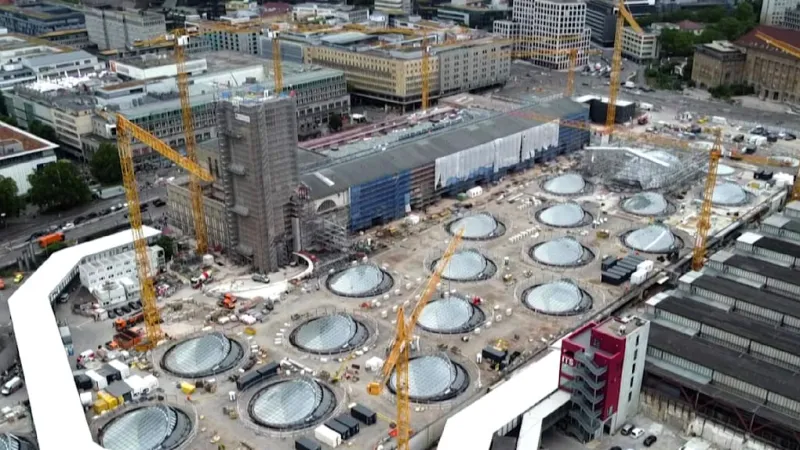
Stuttgart, Germany — Germany's monumental Stuttgart 21 railway project has suffered another severe setback, with the operational launch now pushed back to 2031 following the discovery of over a thousand kilometers of incorrectly laid cables. This latest revelation has ignited fresh outrage and calls for accountability.
The widespread cabling error was reportedly uncovered during critical testing phases, jeopardizing the complex signaling and control systems vital for the sprawling underground station and its network. The sheer scale of the mislaid infrastructure implies a profound failure in planning, execution, and oversight within the multi-billion-euro endeavor.
Baden-Wurttemberg Minister-President Cem Ozdemir minced no words, warning publicly that the long-troubled rail project was devolving into a "laughingstock." He emphatically demanded immediate and comprehensive answers from all parties responsible for the repeated failures.
Originally conceived as a visionary plan to transform Stuttgart's 19th-century main station into a modern, underground transit hub, Stuttgart 21 aimed to significantly improve rail connections and free up valuable urban space for development. The project's ambitions included high-speed rail integration and a more efficient connection across Europe.
However, from its very inception, the project has been marred by controversy. Environmental concerns, massive tree felling in the city park, and the projected relocation of species sparked extensive public protests that captured national attention for years.
This is not the first instance of significant delays or dramatic cost overruns. The project's initial estimated completion date has been repeatedly postponed, and its budget has ballooned from an original figure of approximately 2.5 billion euros to current projections soaring well over 10 billion euros.
Critics have long pointed to the inherent complexities of such a large-scale subterranean construction in a densely populated urban area, particularly the challenges of integrating existing infrastructure with new, state-of-the-art systems. The technical demands have proven consistently difficult to manage.
Deutsche Bahn, the German national railway company and the project's primary developer, faces intense scrutiny regarding its project management capabilities. Questions are mounting about the efficacy of their internal controls and quality assurance processes given the magnitude of the cabling blunder.
The financial implications of this additional delay are substantial, potentially adding further billions to the already spiraling costs, which ultimately burden German taxpayers. The indefinite deferral of a functional railway hub also has economic repercussions for the region.
For the millions of commuters and travelers in Baden-Wurttemberg and beyond, the prospect of waiting an additional five years, beyond the already delayed schedule, is a source of immense frustration. The promise of faster, more efficient rail travel recedes further into the distant future.
This incident adds to ongoing discussions regarding the efficiency and oversight of large-scale infrastructure developments across Germany, particularly those involving public funds and critical national services.
Political figures across the spectrum have joined Ozdemir in demanding transparent investigations and clear accountability measures. The push for identifying precisely how such an extensive error occurred and who bears responsibility is intensifying.
With the new target date of 2031, the Stuttgart 21 project will have been under construction for more than two decades, a testament to its protracted and often troubled journey. The latest setback casts a long shadow over the feasibility and final delivery of Germany's most ambitious rail undertaking.
The coming months will likely see intensified debates in the Bundestag and state parliaments regarding the future of the project and the measures necessary to prevent any further catastrophic failures. The focus remains on ensuring that the 2031 deadline is, at last, a definitive one.
Ultimately, the grand vision of Stuttgart 21 continues to be tested by ground-level realities, demanding renewed commitment to rigorous standards and transparent governance to regain public trust and avert further embarrassment.