 Debby Wijaya
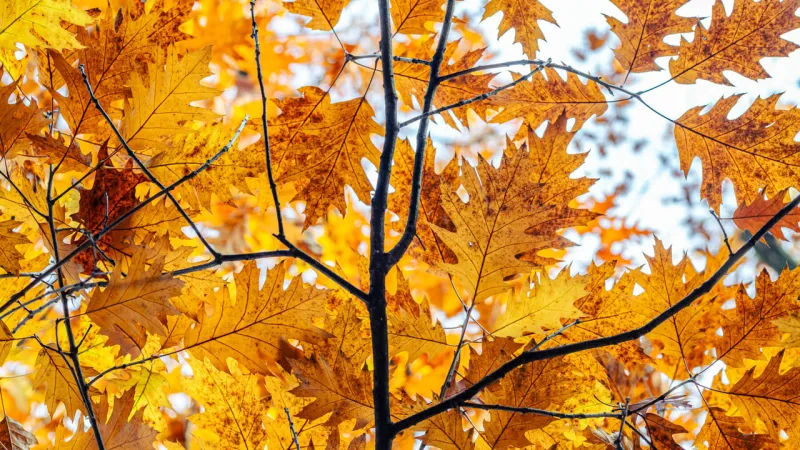
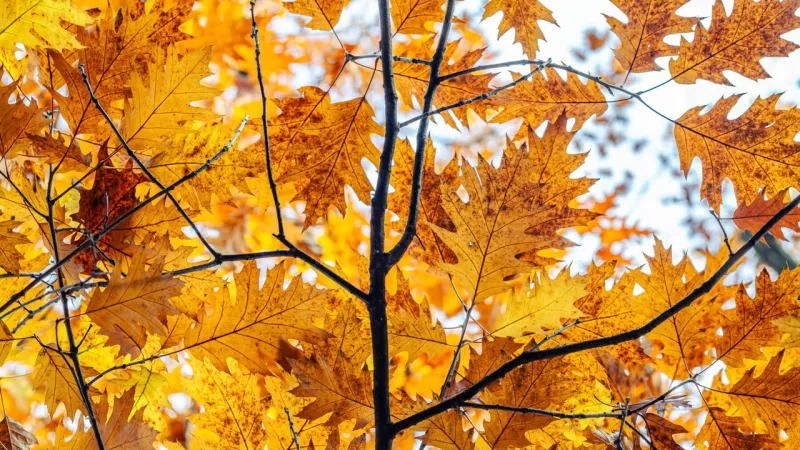
The Northern Hemisphere prepares to bid farewell to summer as the autumn equinox officially arrives at 2:05 AM Coordinated Universal Time (UTC) on Wednesday, September 23, 2026. This astronomical event signals the equal distribution of daylight and darkness, ushering in the cooler temperatures and vibrant foliage characteristic of fall.
For millions across the globe, the equinox is more than just a date on the calendar; it is a profound shift in Earths annual cycle. It marks the moment when the sun crosses the celestial equator, moving from the Northern Hemisphere to the Southern Hemisphere.
The term “equinox” derives from the Latin aequus (equal) and nox (night), aptly describing the approximately twelve hours of daylight and twelve hours of night experienced worldwide on this specific day. While not precisely equal due to atmospheric refraction, the balance is a hallmark of this transition.
This celestial alignment occurs twice yearly, with the vernal (spring) equinox in March and the autumnal equinox in September. These moments are dictated by Earths axial tilt of approximately 23.5 degrees relative to its orbital plane around the sun.
As Earth continues its elliptical journey, its tilt ensures that different parts of the planet receive varying amounts of direct sunlight throughout the year, causing the seasons. The autumn equinox represents a pivotal point in this solar dance.
Meteorologically, autumn often commences earlier, typically on September 1, and is defined by temperature patterns and calendar divisions. Astronomically, however, the equinox provides the precise scientific marker for the seasons change.
Historically, civilizations worldwide have observed and celebrated the autumn equinox with harvest festivals, rituals, and ceremonies. These traditions often centered on gratitude for the years bounty and preparations for the colder, darker months ahead.
From Mabon in pagan traditions to various harvest festivals across Europe and Asia, the theme of balance, reflection, and preparation for winter resonates deeply with this astronomical occurrence.
The shortening days become more noticeable after the equinox, particularly in higher latitudes, as the Northern Hemisphere tilts further away from the sun. This gradual reduction in daylight hours continues until the winter solstice in December.
While the initial shift might feel subtle, the autumn equinox sets the stage for significant climatic and environmental changes. Trees begin their autumnal display, migrating birds prepare for longer journeys, and many species adjust to dwindling sunlight.
The precise timing of the autumn equinox varies slightly from year to year due to the difference between the calendar year and the actual length of Earths orbit, which is approximately 365.25 days. This is why leap years are necessary to keep the calendar aligned with astronomical events.
Understanding these celestial mechanics offers a deeper appreciation for the rhythms of nature and the predictability of our planets journey through space. The equinox is a testament to the elegant precision of the solar system.