Gabriella
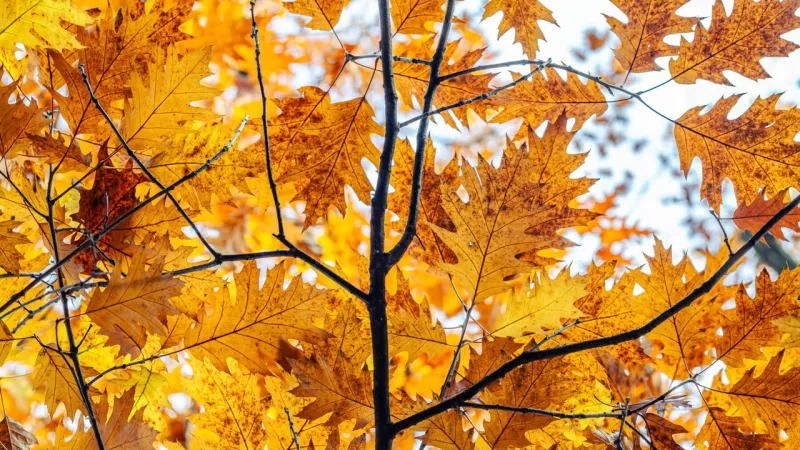
The astronomical Autumn Equinox will officially commence on September 23, 2026, at 2:05 AM Central European Time, marking the precise moment summer concludes and the Northern Hemisphere fully embraces autumn. This celestial event signifies the suns direct alignment with Earths equator, resulting in nearly equal day and night across the globe and heralding a period of cooler temperatures and changing foliage.
This annual phenomenon occurs when the sun crosses the celestial equator, an imaginary line in the sky directly above Earths equator. For the Northern Hemisphere, this particular equinox is often referred to as the autumnal equinox, while simultaneously ushering in spring for the Southern Hemisphere. It is one of two times each year when the tilt of Earths axis is neither toward nor away from the sun.
The Earths axial tilt, approximately 23.5 degrees, dictates the seasons. During the equinox, the suns rays strike both hemispheres equally. Following this point, the Northern Hemisphere begins to tilt away from the sun, leading to shorter days and longer nights, a characteristic shift from the warmth and extended daylight of summer.
While the astronomical definition points to a specific moment, meteorological autumn typically begins earlier, on September 1. Meteorologists categorize seasons into three-month blocks based on annual temperature cycles for easier statistical tracking. The astronomical equinox provides the precise celestial marker, grounding the seasonal change in scientific observation.
The concept of "equal day and night" is central to the term equinox, derived from Latin aequus (equal) and nox (night). Although theoretically precise, atmospheric refraction causes slight variations, often resulting in a few more minutes of daylight than nighttime on the actual equinox day, depending on ones latitude.
Historically, the autumn equinox has held profound cultural and spiritual significance for civilizations worldwide. Ancient agricultural societies meticulously tracked this event, linking it to harvest festivals, rituals of thanksgiving, and preparations for the colder months. Monuments like Chichen Itza in Mexico are famously aligned to mark the equinox, demonstrating sophisticated astronomical understanding.
Modern observances may be less ritualistic, yet the equinox continues to symbolize change and reflection. It is a natural cue for many to appreciate the transition of nature, from verdant summer landscapes to the vibrant hues of autumn leaves. The shortening days prompt a collective shift in human activity, with more time spent indoors.
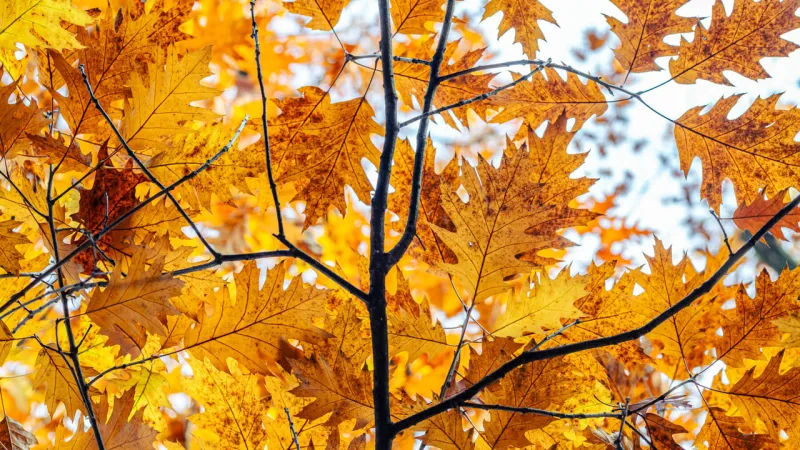
The ecological impact is substantial. Animals respond to the diminishing daylight, initiating migratory patterns or preparing for hibernation. Trees, sensing the change, begin to reabsorb chlorophyll, leading to the spectacular display of autumnal colors before shedding their leaves for winter dormancy.
For farmers, the autumn equinox traditionally marks the culmination of the harvest season, a period of gathering crops planted in spring and nurtured through summer. The bounty of the land is collected, providing sustenance for the coming cold, a practice that has sustained human populations for millennia.
As the Northern Hemisphere progressively tilts further from the sun, the trajectory towards the Winter Solstice becomes clearer. Each passing day brings a slight reduction in daylight, intensifying the characteristic chill and preparing both nature and human communities for the deep winter months ahead.
This annual celestial pivot serves as a definitive marker, signifying not merely the end of summer but also the onset of a new climatic phase, a transition widely acknowledged and observed. The profound impact of this shift on global weather patterns and daily life is often a topic of public interest, highlighting the cyclical nature of our planets journey around the sun. This event, and its broader implications for seasonal transitions, resonates with discussions found in reports such as Summer's Farewell: Autumn Equinox Marks Seasonal Shift on September 23.