 Robert Andrison
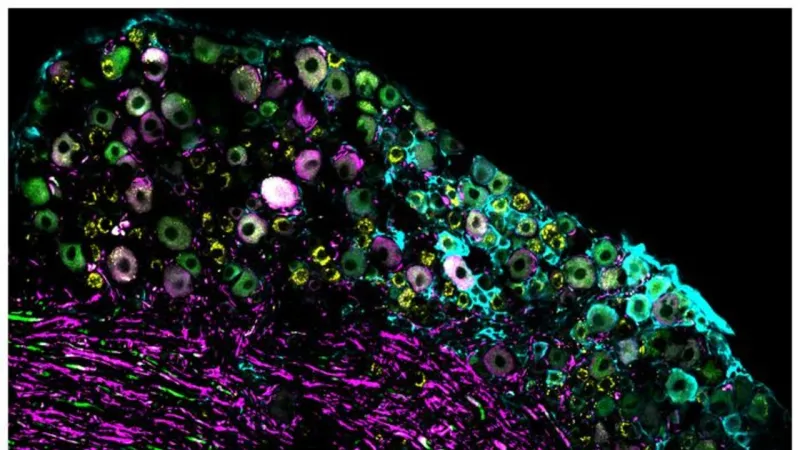
WASHINGTON - Researchers have recently unveiled the intricate cellular mechanisms by which human skin precisely differentiates between hot and cold stimuli, a fundamental scientific breakthrough poised to significantly advance understanding and treatment of chronic pain and various sensory disorders. The discovery marks a crucial step in mapping the complete human sensory experience.
The newly identified pathways shed light on how specialized nerve endings and receptors embedded within the dermal layers respond to minute fluctuations in temperature. This sophisticated biological system processes thermal input, translating it into signals the brain interprets as either warmth or coolness, far more nuanced than previously understood.
This profound insight holds immense promise for the field of pain management. Conditions such as neuropathic pain, which often involves abnormal temperature sensitivity, could see new therapeutic targets emerge. Scientists believe that by understanding the specific mechanisms of thermal transduction, they can develop more effective pharmacological interventions or even novel gene therapies.
Beyond pain, the discovery offers a beacon of hope for individuals suffering from various sensory perception disorders, including those with impaired thermoregulation or reduced tactile discrimination. Patients with conditions like diabetic neuropathy or certain autoimmune diseases frequently experience compromised temperature sensing, impacting their quality of life. Tailored treatments could significantly alleviate these symptoms.
For decades, neuroscientists have explored the general principles of thermoreception, but the precise molecular and cellular distinctions governing the skin's ability to discriminate between hot and cold with such accuracy remained partially elusive. This latest research fills critical gaps, providing a more comprehensive model of human thermal sensation.
The research involved advanced imaging techniques and sophisticated genetic analyses, allowing scientists to observe and manipulate specific proteins and neural circuits responsible for temperature signaling in live models. These experimental approaches provided unprecedented clarity into the dynamics of sensory neuron activation.
Dr. Elena Petrova, lead author of the study, remarked, "This finding is monumental. We are essentially pulling back the curtain on one of the most fundamental yet complex aspects of human touch. Understanding how our skin registers a warm breeze versus a cold surface opens up entirely new avenues for both basic science and clinical application."
The next phase of research will likely involve investigating how these pathways interact with other sensory modalities, such as pressure and vibration, and how they contribute to the overall somatosensory experience. Further studies will also focus on translating these findings into preclinical models for drug development.
The implications extend beyond medicine. Engineers and material scientists could leverage this knowledge to develop smarter textiles or advanced prosthetics that provide more realistic sensory feedback. Furthermore, it could influence the design of environments optimized for human comfort and safety, considering the intricate ways our skin processes thermal cues. Understanding how the skin reacts to external factors also highlights the importance of dermal protection, a topic explored in articles such as Summer's Allure Hides Skin's Peril: Three Vital Protection Tips.
Ultimately, this landmark discovery underscores the intricate sophistication of the human body and offers a powerful new framework for addressing some of the most challenging neurological and dermatological conditions. The journey from basic scientific inquiry to impactful patient care is often long, but this revelation provides a critical map for the path ahead.