 Angela Stefani
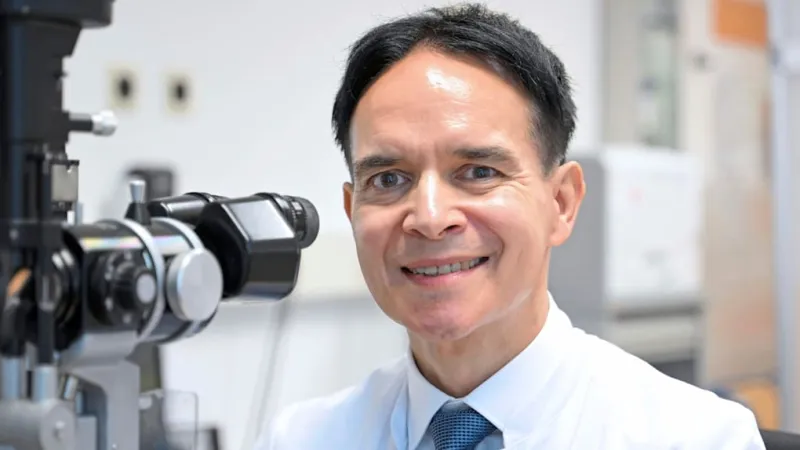
A prominent eye surgeon, Lars-Olof Hattenbach, has unveiled the critical factors that dictate the success of cataract operations, a procedure paramount to preventing irreversible vision loss. Hattenbach, who has successfully treated thousands of patients, offers indispensable insights into the diagnosis and treatment protocols for this widespread ocular condition.
Cataracts, a clouding of the eye's natural lens, progressively diminish vision, often leading to significant impairment if left untreated. This condition, primarily associated with aging, occurs when proteins in the lens clump together, obstructing light from reaching the retina. Over time, the haze thickens, making everyday activities like reading, driving, and recognizing faces increasingly difficult.
While early-stage cataracts might be managed with stronger eyeglasses or improved lighting, surgery remains the sole effective treatment to restore clarity of vision. The procedure involves removing the clouded natural lens and replacing it with an artificial intraocular lens (IOL), offering a permanent solution to this debilitating condition.
Hattenbach, renowned for his extensive experience in ophthalmic surgery, emphasizes that while the fundamental surgical technique is established, numerous nuanced elements contribute significantly to a favorable prognosis. His practice focuses on meticulous attention to detail at every stage of patient care, from initial consultation through post-operative recovery.
Central to success is a comprehensive pre-operative assessment. This diagnostic phase precisely measures the eye's dimensions and curvature, identifying any pre-existing conditions that might influence the surgical approach or the choice of the artificial lens. Accurate measurement technology, coupled with the surgeon's interpretive skill, forms the bedrock of a tailored treatment plan.
Patient selection and overall health also play a crucial role. Surgeons meticulously evaluate a patient's medical history, including conditions like diabetes or glaucoma, which can affect surgical risks or recovery. Managing these comorbidities effectively before the operation is essential for minimizing potential complications and ensuring a smooth recuperation.
The surgical technique itself represents another pivotal factor. Modern cataract surgery, typically performed using phacoemulsification, involves emulsifying the clouded lens with ultrasonic energy and aspirating the fragments. The precision of the incision, the efficiency of lens removal, and the delicate implantation of the IOL demand exceptional surgical skill and experience to avoid damaging surrounding ocular structures.
Moreover, the selection of the appropriate intraocular lens (IOL) is highly individualized. Patients can choose from various IOL types, including monofocal, multifocal, toric, and extended depth of focus lenses, each offering distinct visual benefits. Hattenbach notes that a thorough discussion of lifestyle needs and visual expectations guides this critical decision, ensuring the chosen IOL best serves the patient's post-operative requirements.
Post-operative care is equally vital for optimizing outcomes and preventing complications. Adherence to prescribed eye drops, which manage inflammation and prevent infection, is non-negotiable. Regular follow-up appointments allow the surgical team to monitor healing progress, detect any emerging issues promptly, and provide necessary guidance for a full recovery.
Minimizing risks associated with cataract surgery involves a multi-faceted approach. While rare, potential complications like infection or retinal detachment are diligently addressed through stringent aseptic techniques, prophylactic antibiotics, and careful patient screening. Expert surgeons are adept at recognizing and managing these rare occurrences, prioritizing patient safety above all.
Globally, cataracts remain a leading cause of blindness, underscoring the profound public health impact of effective surgical intervention. The ability to restore sight dramatically improves patients' quality of life, empowering them to regain independence and participate more fully in their communities.
Hattenbach encourages patients to engage actively in their care by asking pertinent questions about their diagnosis, the surgical process, and post-operative expectations. An informed patient is better equipped to adhere to instructions and contributes positively to their recovery journey.
Ongoing advancements in ophthalmic technology, from diagnostic imaging to innovative IOL designs and laser-assisted surgical techniques, continue to refine cataract surgery. These developments promise even greater precision and customized visual solutions, further enhancing the prospects for outstanding patient outcomes.
Ultimately, successful cataract surgery transcends mere technical proficiency; it embodies a holistic approach encompassing thorough diagnosis, tailored surgical planning, precise execution, and diligent post-operative management. Hattenbach's insights underscore the transformative power of expert care in preserving and restoring precious vision for countless individuals.