 Dorry Archiles
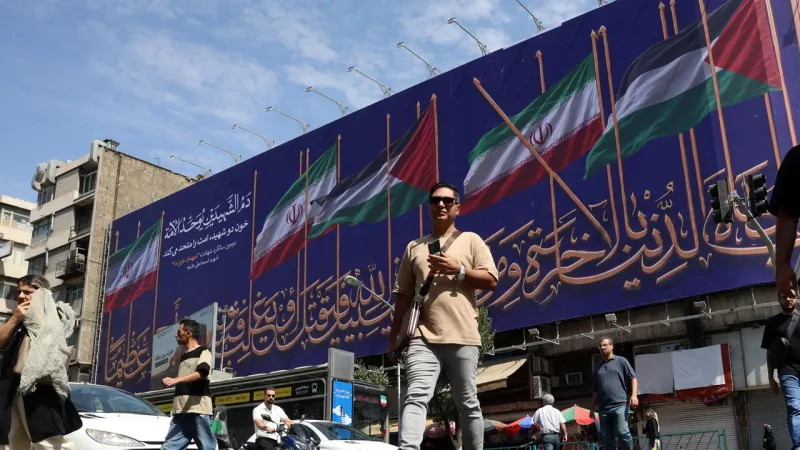
WASHINGTON – United States embassies throughout the Middle East have issued urgent advisories, recommending American citizens evaluate the possibility of leaving the region, following credible reports that President Donald Trump has ordered a new, heavy military strike scheduled for this weekend. This escalating situation places the geopolitical landscape of the Middle East on high alert, with implications for regional stability and international relations.
The warnings, disseminated via official channels and security alerts, come as leading national media outlets, including The Wall Street Journal and CBS News, cited unnamed sources indicating the President's directive. These reports specify that a substantial attack is imminent, intensifying already strained conditions in the volatile region.
Diplomatic personnel are urging American nationals to exercise extreme caution, monitor local news, and register with the Smart Traveler Enrollment Program (STEP) to receive ongoing updates. The advisories underscore the unpredictable nature of potential conflict and the importance of preparedness for rapid departure.
The White House has yet to issue an official statement confirming or denying the reports regarding President Trump's alleged order. However, the absence of an immediate denial from the administration has only amplified concerns among observers and those with vested interests in Middle Eastern affairs.
This development follows a period of heightened tensions in the Persian Gulf and surrounding areas, characterized by various naval encounters and proxy confrontations. Regional actors, including Iran, have previously responded forcefully to perceived foreign aggression, raising the specter of a wider conflict.
Recent intelligence indicates that the United States has been closely monitoring strategic movements and capabilities of potential adversaries in the Middle East. Observers note a significant increase in rhetoric surrounding maritime security and the protection of international shipping lanes, particularly in vital waterways such as the Strait of Hormuz.
The regional backdrop includes a series of provocative actions and counter-actions, creating an environment ripe for miscalculation. Just last year, Tehran asserted a strategic triumph against the US and Israel following a tanker incident in the Hormuz waterway, a claim met with skepticism by Washington. For more on these previous events, see: Iran Declares Victory Against US, Israel Amid Hormuz Tanker Strike.
Furthermore, allegations surfaced that the US was readying for a broader regional conflict, with Iran explicitly claiming that America was preparing for a total regional engagement after the Hormuz tanker strike. This narrative adds another layer of complexity to the current advisories. Read more at: Tehran Alleges US Readying Total Regional Conflict Amid Hormuz Tanker Strike.
In response to mounting pressures, Iran had also unveiled its own contingency plan for retaliation, reportedly targeting US energy interests and Israeli assets should direct military action occur. This history of declared intent suggests any US strike could elicit a strong counter-response, further destabilizing the region. Details on these plans can be found in: Iran Unveils Retaliation Plan: Targets US Energy, Israeli Assets.
Experts on international security emphasize that any significant military action by the United States would carry substantial risks of escalation, potentially drawing in multiple state and non-state actors. The Middle East remains a geopolitical flashpoint, where even limited engagements can precipitate unforeseen and widespread consequences.
Citizens are advised to maintain a high level of situational awareness, keep important travel documents readily accessible, and have contingency plans for immediate departure. The US State Department continues to update its travel advisories, reflecting the dynamic security environment.
The precise nature and target of the alleged heavy attack remain undisclosed in the media reports, contributing to the ambient uncertainty. Analysts suggest that the timing of the leak, coinciding with the embassy warnings, indicates a deliberate communication strategy to prepare both citizens and global partners for potential developments.
The international community watches with bated breath, as the potential for renewed conflict in the Middle East looms large. The coming days will likely reveal the full scope of President Trump's intentions and the region's response to these escalating geopolitical maneuvers.