 Chandra Wijayanto
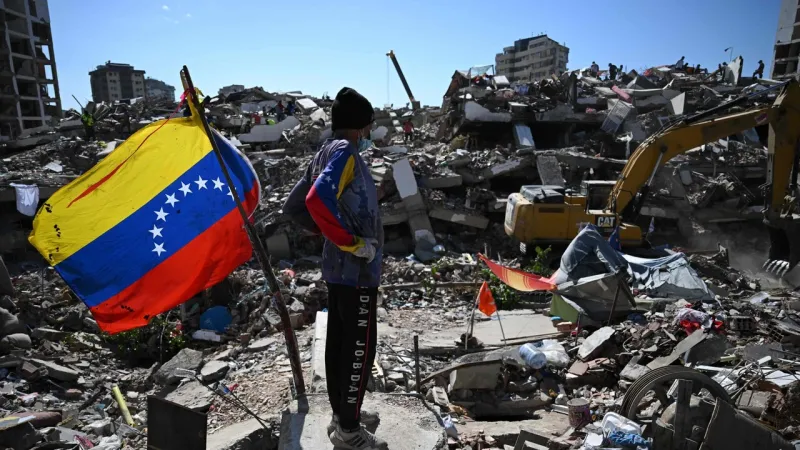
CARACAS, Venezuela – A devastating earthquake has exacted a dire toll on Venezuela, with authorities confirming 3,685 fatalities and over 16,700 injured. The seismic event has also forced the displacement of nearly 18,000 residents, compounding the humanitarian crisis gripping the nation, which has endured more than a thousand aftershocks since the initial tremor.
The widespread destruction has prompted an urgent call for aid and a focus on recovery. Amidst the immediate disaster response, prominent political figure Machado issued a resolute statement, declaring, “I will return to help rebuild the country.” Her pledge underscores the immense task ahead for a nation grappling with the aftermath of such a profound natural catastrophe.
The catastrophic event, whose epicenter and precise magnitude were not detailed in initial reports but indicated severe ground shaking, has left communities shattered. Emergency services and relief organizations are struggling to manage the scale of the devastation, with limited resources stretched thin across affected regions.
Rescue efforts continue tirelessly, yet hope wanes for those still trapped beneath rubble. Medical facilities report being overwhelmed with the influx of injured, many suffering from severe trauma, fractures, and crush injuries. The immediate priority remains providing essential medical care and locating survivors.
The extensive aftershocks, numbering over a thousand, have further complicated rescue operations and instilled pervasive fear among the populace. These persistent tremors pose a continuous threat to already compromised structures and hinder efforts to establish safe zones for the displaced population.
Nearly 18,000 Venezuelans now face an uncertain future, having lost their homes and livelihoods. Many are seeking refuge in makeshift shelters, government-designated camps, or with relatives in less affected areas. The provision of food, water, sanitation, and temporary housing has become a critical challenge for relief agencies.
Machado's declaration signals a potential rallying point for national recovery efforts, particularly given the political complexities within Venezuela. Her commitment to return and contribute to the nation's reconstruction resonates with the immediate needs of a population yearning for stability and a path forward.
Beyond the immediate humanitarian response, the long-term implications for Venezuela's infrastructure and economy are staggering. Roads, bridges, and essential utilities have suffered significant damage, disrupting supply chains and isolating vulnerable communities. Rebuilding will require substantial international assistance and sustained national effort.
International organizations and various governments are assessing the extent of the disaster and preparing to deploy aid, although specific pledges were not immediately detailed. The global community watches closely, anticipating the scale of support required to help Venezuela recover from this immense tragedy.
The earthquake serves as a stark reminder of the vulnerability of nations to natural disasters and the critical importance of robust disaster preparedness and response mechanisms. As the death toll continues to be tallied and the full scope of destruction emerges, Venezuela faces a monumental journey toward healing and reconstruction.