 Angela Stefani
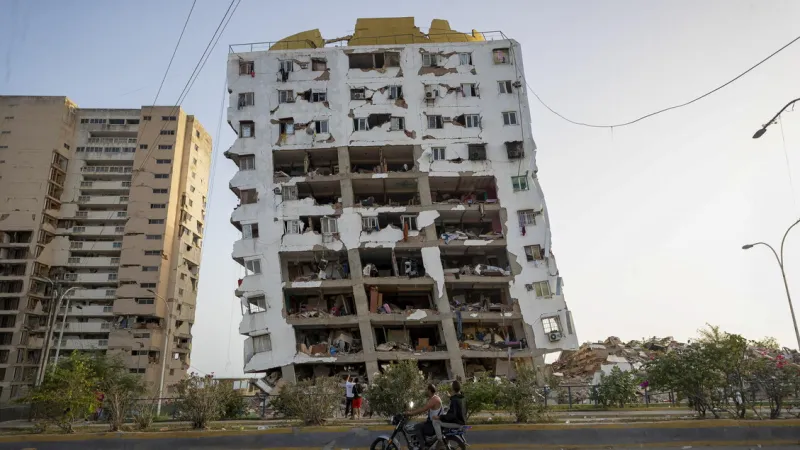
The coastal state of La Guaira, Venezuela, is gripped by a profound humanitarian crisis as official figures confirm 589 fatalities and a staggering 50,000 individuals remain unaccounted for following a devastating natural disaster. The scale of the catastrophe has overwhelmed local resources, leaving residents to desperately search for loved ones, often with their bare hands, amidst scant and poorly equipped rescue operations, a situation previously highlighted by reports such as Venezuela Catastrophe: Over 50,000 Missing As La Guaira Digs for Survivors.
Italy's Foreign Minister, Antonio Tajani, conveyed deep concern over the plight of Italian-Venezuelan citizens affected by the tragedy. He confirmed the deaths of three Italian-Venezuelans and injuries to five others, while 35 individuals with dual nationality are still listed as missing. This highlights the international dimension of the unfolding crisis.
The situation in La Guaira paints a stark picture of desolation. Eyewitness accounts describe entire communities buried under debris, with the arduous task of sifting through the wreckage falling largely to local volunteers. The rudimentary nature of these efforts underscores the severe lack of specialized equipment and trained personnel.
Government response has drawn criticism for its perceived inadequacy. While official statements acknowledge the gravity of the situation, on-the-ground realities suggest a critical shortfall in coordinated relief operations. The vast number of missing persons indicates a potential death toll far exceeding current confirmed figures.
The disaster follows a period of heightened seismic activity in the region, with reports indicating that Venezuela has been bracing for more quakes after a deadly tremor. This context suggests a possible natural trigger for the widespread destruction now facing the nation. The impact extends beyond immediate fatalities, threatening long-term displacement and infrastructural collapse.
International aid organizations are reportedly mobilizing, though the logistical challenges of reaching affected areas and distributing assistance remain formidable. The sheer volume of those missing presents an unprecedented challenge for identification and recovery efforts.
For many families, the wait for news is agonizing. Stories of entire neighborhoods vanishing overnight underscore the sudden and brutal nature of the event. The psychological toll on survivors and those searching for relatives is immense, compounded by the slow pace of official relief.
The Venezuelan government faces mounting pressure to enhance its disaster response capabilities and accept broader international assistance. The incident throws into sharp relief the vulnerability of certain regions to natural hazards and the critical need for robust emergency preparedness.
Recovery efforts will likely span months, if not years, given the extensive damage and the sheer number of missing individuals. Rebuilding infrastructure and rehousing displaced populations will require substantial resources, which Venezuela, already grappling with economic challenges, may find difficult to secure independently.
The international community, including nations with significant diaspora populations in Venezuela, such as Italy, continues to monitor the situation closely, offering support where possible. The focus remains on immediate humanitarian needs: providing food, water, shelter, and medical attention to those who have survived.
This catastrophe adds another layer of complexity to Venezuela's socio-economic landscape, demanding a unified and effective response from both national and international stakeholders. The immediate priority is to accelerate search and rescue operations, offering a modicum of hope to families still clinging to the possibility of finding their loved ones alive.
The urgency for better-equipped teams and coordinated logistics cannot be overstated as the window for finding survivors dwindles. The resilience of the Venezuelan people is being tested to its limits as they confront this overwhelming tragedy. The full human and economic cost of this disaster is only beginning to emerge.