 Angel Doris

NEW YORK — An incendiary excerpt from veteran journalist Jonathan Vigliotti's forthcoming book, "Torched," has ignited a nationwide conversation, offering a stark and unflinching look at the accelerating devastation wrought by wildfires and the profound human toll of climate change across the American West and beyond. The preview, released this week, highlights Vigliotti's extensive on-the-ground reporting, revealing harrowing personal accounts and critical insights into the environmental and societal unraveling at the heart of the crisis.
Vigliotti, a respected correspondent known for his tenacious coverage of environmental catastrophes, distills years of immersive reporting into the pages of "Torched." The book, slated for a late 2026 release, promises to be a seminal work, drawing readers into the very epicenters of destruction and confronting them with the raw realities faced by communities perpetually battling infernos.
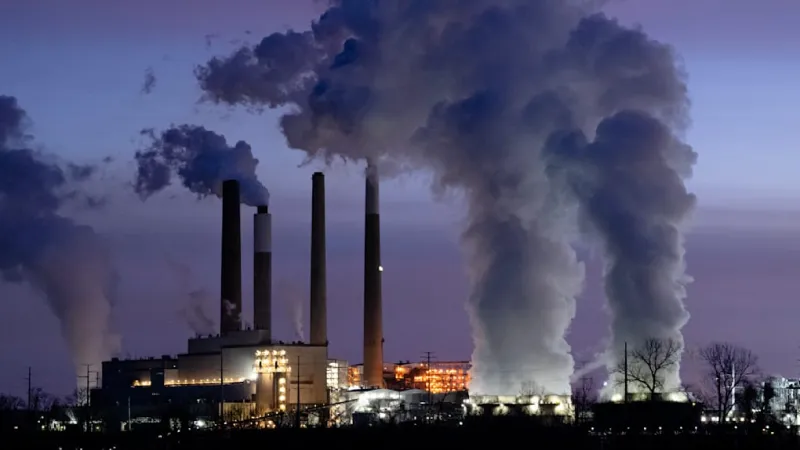
The excerpt delves deeply into the nexus of climate science, policy failures, and the lived experiences of those directly impacted by increasingly frequent and intense wildfires. It portrays a landscape under siege, where traditional firefighting methods are often overwhelmed, and where entire towns face the constant threat of erasure.
Key passages reportedly detail the psychological trauma endured by survivors, the irreversible loss of natural habitats, and the staggering economic costs associated with rebuilding in areas prone to recurring disasters. Vigliotti underscores the urgent need for a paradigm shift in how communities and governments approach both prevention and recovery.
The book's revelations arrive at a politically charged moment, with climate policy remaining a contentious issue in Washington. President Trump's administration has often prioritized economic growth and energy independence, leading to ongoing debates about environmental regulations and funding for climate resilience initiatives.
Environmental advocacy groups and a growing number of scientists have quickly seized upon Vigliotti's powerful narrative. They argue that the excerpt from "Torched" serves as a critical call to action, demanding more robust policy responses and greater public awareness regarding the existential threats posed by a warming planet and its direct consequences.
The journalist's methodology combines rigorous data analysis with compelling human interest stories, a hallmark of his reporting style. He reportedly avoids sensationalism, instead relying on verifiable facts and the authenticity of firsthand accounts to build a persuasive case for immediate and comprehensive intervention.
Experts familiar with Vigliotti's work commend his ability to translate complex scientific information into accessible and emotionally resonant prose. They suggest that "Torched" could significantly influence public discourse and potentially galvanize grassroots movements pushing for more aggressive climate change mitigation strategies.
The excerpt also implicitly challenges the conventional wisdom surrounding land management practices, prompting discussions about controlled burns, forest thinning, and the role of indigenous knowledge in fire prevention. These are subjects often debated without the visceral impact of stories from the front lines that Vigliotti provides.
As the full release of "Torched" approaches later this year, its preliminary impact through this excerpt suggests the book is poised to become a touchstone in the ongoing national conversation about climate change. Vigliotti's work compels a deeper understanding of the escalating crisis, urging both citizens and policymakers to confront the fiery future that looms.