Gabriella
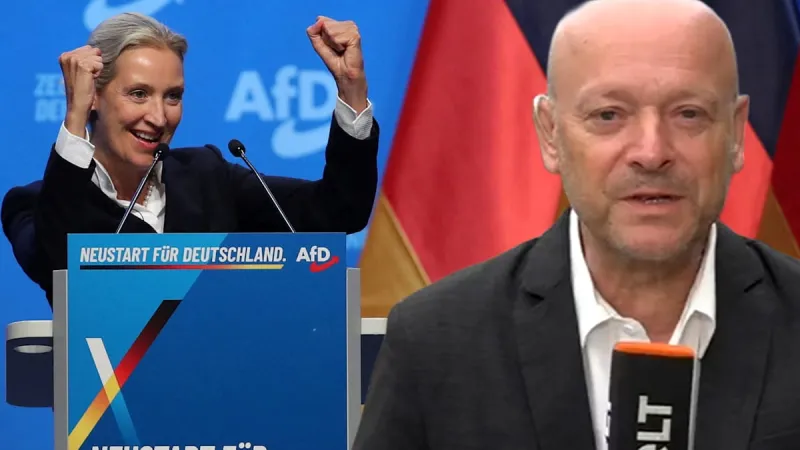
Erfurt, Germany – The second day of the Alternative for Germany (AfD) party conference here saw its primary focus shift to the integration and contentious standing of its youth organization, known for its radical positions. While police reported no significant incidents outside the venue, the internal dynamics of the far-right party now grapple with defining the future influence of its younger, more extreme faction.
The internal discussions regarding the Junge Alternative (Young Alternative), the party's official youth wing, underscore a persistent ideological struggle within the AfD. This comes as the party seeks to project a unified front ahead of critical regional and European elections.
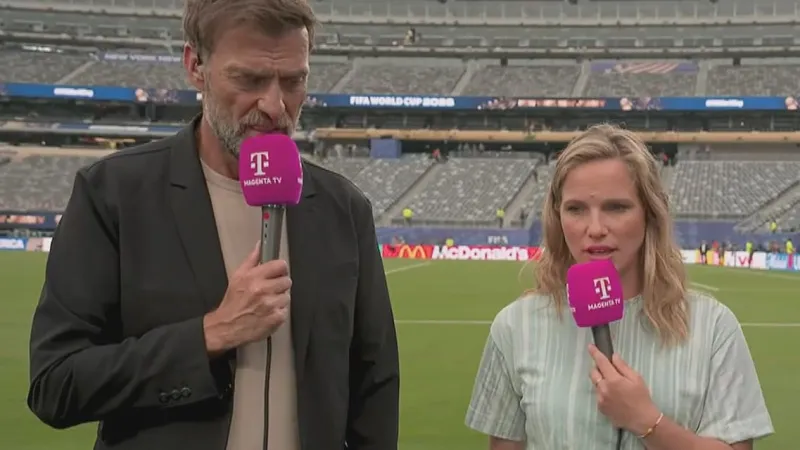
"The conflicts are being clarified internally," stated Lutz Stordl, a reporter for WELT TV, providing insight into the ongoing deliberations among party leaders and delegates. This affirmation suggests a concerted effort to manage the perception of internal rifts.
The Junge Alternative has long been a source of controversy, often pushing the boundaries of the party's already far-right ideology. Its past rhetoric and actions have led to heightened scrutiny from German intelligence agencies, which have designated parts of the organization as extremist.
The potential for increased prominence of such radical elements within the AfD raises significant questions about the party's trajectory and its aspirations for broader mainstream acceptance. Critics argue that embracing more extreme views risks alienating moderate voters, even as the AfD seeks to capitalize on discontent with established parties.
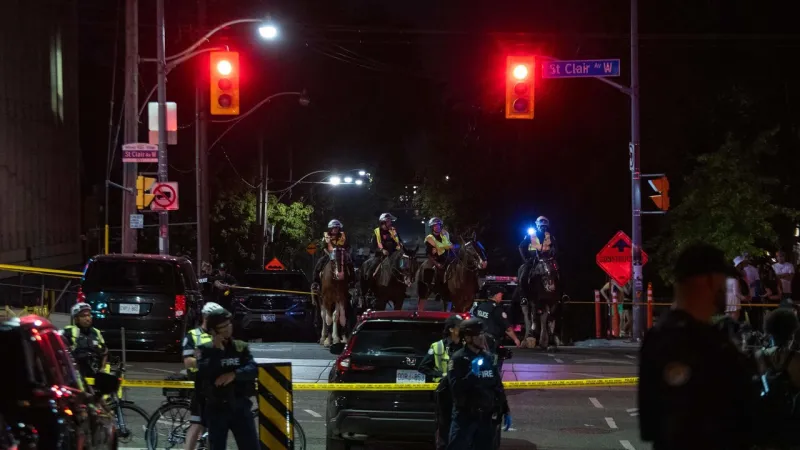
The party congress in Erfurt, initially marked by protests outside that were largely contained by police, now centers on internal consolidation. Delegates are expected to debate policy initiatives and leadership roles, including the confirmed leadership of Alice Weidel and Tino Chrupalla, as previously reported. AfD Confirms Weidel, Chrupalla As Police Contain Erfurt Protests.
Historically, AfD congresses have been platforms for both internal power struggles and outward declarations of political intent. Themes of national sovereignty, immigration controls, and skepticism towards the European Union consistently feature prominently.
The prominence of the AfD youth organization on the agenda reflects a strategic dilemma for the party leadership. They must balance energizing their base, which includes many younger, more ideologically hardened members, with presenting a palatable image to a wider electorate.
Germany's political landscape continues to evolve, with the AfD consistently polling strongly despite its controversial positions. Public discourse frequently involves debates over the party's democratic credentials and its place within the German parliamentary system.
The outcomes of these internal discussions will likely shape the AfD's future electoral strategies and its ability to attract new members while retaining its current support base. The role carved out for the Junge Alternative could be a bellwether for the party's long-term ideological direction.
The intense scrutiny on the AfD youth organization is not merely an internal party affair but also reflects broader concerns within German society about the erosion of democratic norms and the rise of extremist ideologies. Observers worry that normalizing radical elements, even under the guise of internal resolution, could embolden far-right movements across the nation.
As the congress proceeds, observers will watch closely for any definitive resolutions regarding the integration of the AfD youth organization and how the party navigates its radical wing in its pursuit of greater political power.