Edward DP Situmorang
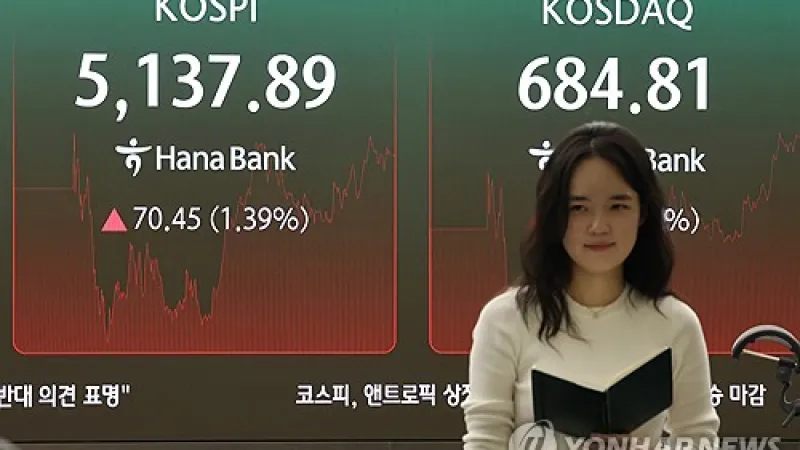
SEOUL – South Korean equities experienced a precipitous decline Friday morning, with the benchmark Kospi index plummeting sharply as investors reacted to significant losses on US markets and the much-anticipated, yet unsettling, debut of the artificial intelligence firm Anthropic. The market downturn reflects a broader apprehension rippling through global financial centers.
The Kospi index commenced trading significantly lower, extending a bearish sentiment that originated from overnight trading sessions in the United States. This substantial opening drop signaled a widespread investor retreat from riskier assets, particularly those sensitive to international economic indicators and technological shifts.
Analysts attribute a substantial portion of the immediate pressure on Seoul shares to the preceding performance of major US indices. The Dow Jones Industrial Average, the S&P 500, and the Nasdaq Composite all closed lower on Thursday, primarily fueled by a confluence of factors including inflation concerns, evolving interest rate expectations, and a cautious appraisal of recent tech sector developments.
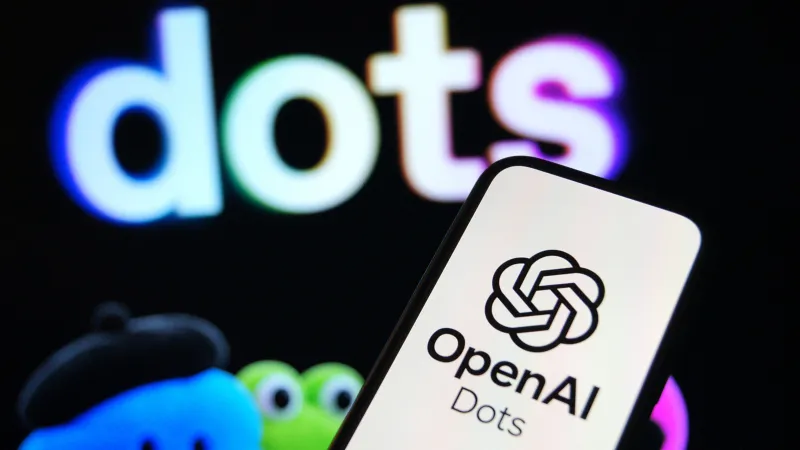
Central to the market jitters was the highly anticipated debut of Anthropic, a prominent player in the generative artificial intelligence landscape. While the specific nature of its market entry – whether an initial public offering or a significant funding round – is pivotal, its immediate aftermath appears to have contributed to a wave of selling pressure across the technology sector, reverberating globally.
Investor sentiment remains fragile, grappling with the rapid pace of technological innovation and its potential for disruptive market reconfigurations. The perception of overvaluation in certain tech segments, coupled with the sheer scale of new capital entering the AI space, often leads to volatility and rebalancing of portfolios.
Market watchers note that the Anthropic debut, despite its potential long-term significance, may have acted as a catalyst for investors to reassess existing positions, particularly those within the already highly capitalized AI and software industries. This reassessment often precipitates profit-taking or a shift towards more stable assets.
The ripple effect extended beyond technology, impacting diversified sectors across the South Korean economy. Large-cap manufacturing, automotive, and financial stocks, often bellwethers of the nation's economic health, registered declines in tandem with the broader market. Companies like Hyundai, a cornerstone of the Korean industrial landscape, would undoubtedly feel the impact of such widespread market corrections, even as it continues to elevate offerings with new models.
Furthermore, the current market climate underscores persistent concerns about global economic growth. Geopolitical tensions, fluctuating commodity prices, and the ongoing recalibration of supply chains contribute to an environment where investors remain highly sensitive to any perceived negative triggers, domestic or international.
While the immediate reaction saw capital fleeing equity markets, some long-term investors may view these dips as opportunities. However, the prevailing mood suggests caution will dominate trading floors in the coming sessions as market participants seek clearer signals on economic direction and the sustained viability of burgeoning tech investments.
The interconnectedness of global markets ensures that events in one major financial hub quickly influence others. As such, the performance of Seoul shares serves as a potent reminder of how closely Asian markets track developments originating from the United States, especially within the dynamic and often speculative technology sphere.
The broader implications for the AI industry itself are also under scrutiny. Events surrounding significant company debuts, whether positive or negative, often influence venture capital flows and investor appetite for future innovations. Concerns about cyber resilience, exemplified by incidents where AI Fuels Internet Outages: Companies Face Relentless Cyber Attacks, further compound investor caution in this rapidly evolving sector.
As trading progresses, market participants will keenly observe any official statements from central banks or government bodies regarding market stability. However, at present, the focus remains on adapting to the immediate fallout from a challenging trading day spurred by a potent mix of international market weakness and a significant, albeit turbulent, tech debut.