 Dorry Archiles
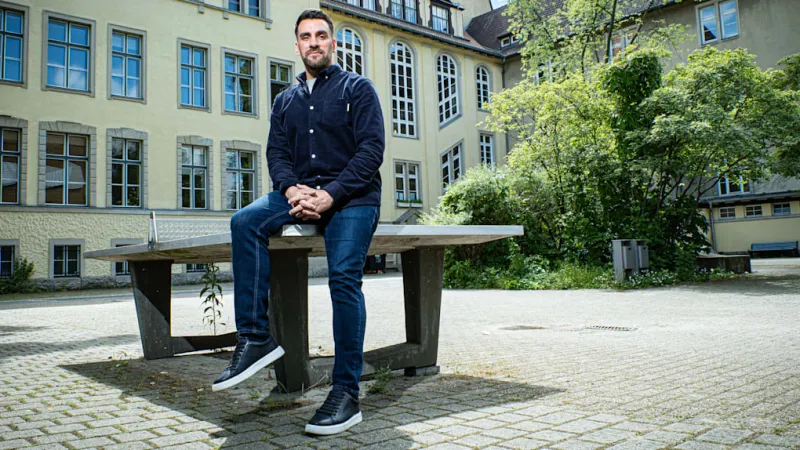
Berlin - Principal Engin Çatık has successfully transformed a notoriously troubled school in the German capital, implementing rigorous measures that quelled pervasive violence, bullying, and integration deficits, demonstrating that even the most challenging educational environments can achieve lasting peace and accountability. His proactive approach provides a potent blueprint for other educational institutions grappling with similar systemic issues.
For years, the unnamed Berlin school wrestled with a reputation for unchecked aggression. Students and faculty alike navigated an environment marred by frequent altercations, intimidation tactics, and a palpable sense of disorder. These conditions fostered an atmosphere antithetical to learning, hindering academic progress and personal development for countless young people.
Çatık, however, arrived with a clear conviction: no problem school is beyond redemption. He recognized that while the issues were deeply entrenched, a steadfast commitment to discipline, clear boundaries, and fostering a culture of respect could fundamentally alter the school’s trajectory. His strategy focused on decisive action over incremental adjustments.
The principal confronted systemic bullying head-on, establishing robust reporting mechanisms and ensuring swift, consistent consequences for perpetrators. He also addressed the complex integration challenges, which often manifested as misunderstandings or tensions among diverse student populations, by promoting inclusive activities and fostering open dialogue.
A key tenet of Çatık’s intervention involved personal responsibility. He recounted a pivotal incident, stating, “The boy had to publicly apologize to everyone – and learned from it.” This direct quotation underscores his belief in accountability as a cornerstone of genuine behavioral change and educational development.
This public act of contrition was not merely a punitive measure; it served as a powerful lesson for the entire student body, illustrating the tangible consequences of inappropriate behavior and the value of acknowledging one's mistakes. Such actions began to re-establish a moral compass within the school community.
The implementation of these tough measures, which some initially viewed as controversial, yielded significant and sustainable success. The school environment gradually shifted from one of chaos to one of relative calm, where students felt safer and more conducive to learning. Reports of violence and bullying decreased substantially.
Çatık’s model emphasizes that sustained improvement in challenging problem school settings requires more than just reactive responses. It demands a visionary leader willing to make difficult decisions, enforce rules impartially, and consistently reinforce the values of respect and empathy.
This transformation in Berlin offers a compelling case study for educators and policymakers worldwide. Many urban school districts face similar issues of violence, disengagement, and the complexities of integration. Çatık’s experience suggests that strong leadership coupled with an unwavering commitment to a structured, accountable environment can produce profound positive change.
The long-term impact extends beyond immediate behavioral improvements. By creating a more secure and respectful atmosphere, the school fosters better academic outcomes and helps students develop essential social-emotional skills crucial for future success in a diverse society. It also rebuilds trust between students, teachers, and administration.
Engin Çatık’s resolute leadership demonstrates that the pacification of problem schools is not an impossible dream but an achievable reality through courageous and consistent intervention. His work in Berlin stands as a testament to the power of committed educational leadership in reshaping troubled institutions.