 Chris Robert
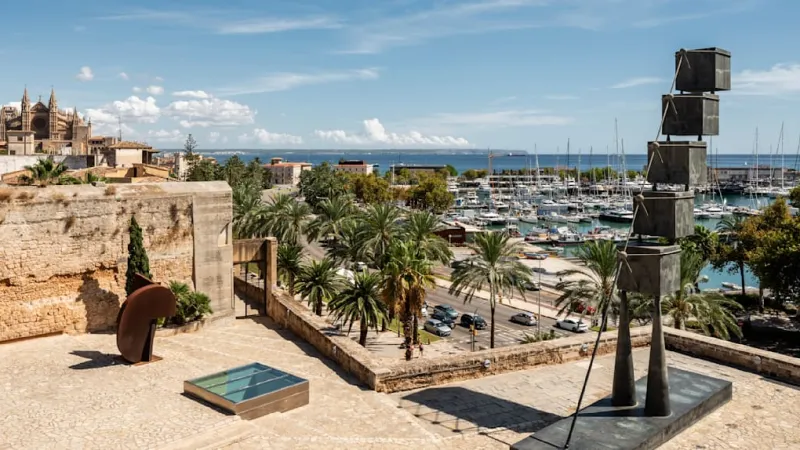
The Balearic Islands, long synonymous with sun-drenched beaches and vibrant nightlife, are now emerging as a significant hub for contemporary art. A diverse and burgeoning regional art market has developed across Mallorca, Menorca, Ibiza, and Formentera, attracting new cultural attention and transforming the archipelago's international image.
This cultural metamorphosis sees the Balearics actively fostering a sophisticated art landscape, moving beyond conventional tourism offerings. The shift underscores a strategic effort to diversify the islands economic appeal and attract a broader demographic of visitors and residents interested in cultural enrichment.
Central to this evolution is the establishment of a robust network of eleven notable art locations spread across the four main islands. These venues encompass an array of private galleries, modern art museums, cultural foundations, and artist studios, collectively forming a coherent and accessible circuit for art enthusiasts.
The genesis of this regional art boom can be attributed to several factors, including increased investment in cultural infrastructure, support for local and international artists, and a growing recognition of the islands unique aesthetic and tranquil environments as ideal settings for artistic expression. This development is positioning the Balearics not merely as a vacation spot but as a year-round cultural destination.
Mallorca, the largest of the Balearic Islands, spearheads much of this artistic movement. Its capital, Palma, hosts numerous prominent galleries and institutions, drawing international collectors and art critics. The island offers a blend of historic architecture and modern exhibition spaces that cater to a wide range of artistic tastes.
Ibiza and Formentera, traditionally known for their bohemian spirit and electronic music scenes, are also embracing this artistic renaissance. Here, contemporary art finds expression in unique settings, often integrating with the islands natural beauty and free-spirited ethos. Pop-up exhibitions and outdoor installations are becoming increasingly common, adding another layer to the Balearic art experience.
Menorca, recognized for its pristine natural landscapes and quieter charm, contributes a distinct flavor to the archipelago's art scene. Its burgeoning galleries often focus on art that reflects environmental themes or traditional Menorcan craftsmanship, providing a thoughtful counterpoint to the more bustling art centers.
The economic implications of this cultural pivot are substantial. By cultivating a strong contemporary art market, the Balearic Islands are attracting high-net-worth individuals, art investors, and cultural tourists who seek experiences beyond mass tourism. This diversification helps stabilize the local economy and creates new opportunities for local businesses and artists.
Comparatively, as other European regions like Italy continue to celebrate their rich artistic legacies, as seen with events like those highlighting Italy Unveils Cultural Riches: Art Masters Meet Scientific Legacy This Weekend, the Balearics are carving out a niche with their focus on contemporary works. This distinction allows the islands to stand out in a competitive global tourism market, offering a unique blend of leisure and high culture.
The future trajectory for the Balearic art scene appears promising, with ongoing initiatives to further integrate art into public spaces and educational programs. The emphasis remains on sustainable growth, ensuring that the development benefits both the local community and the vibrant artistic ecosystem.
Ultimately, the Balearic Islands are recalibrating their global identity. While their stunning coastlines and lively resorts will undoubtedly continue to draw millions, the burgeoning contemporary art market now presents a compelling new facet, enriching the archipelago's allure and offering a profound cultural experience to discerning visitors worldwide.