 Chandra Wijayanto
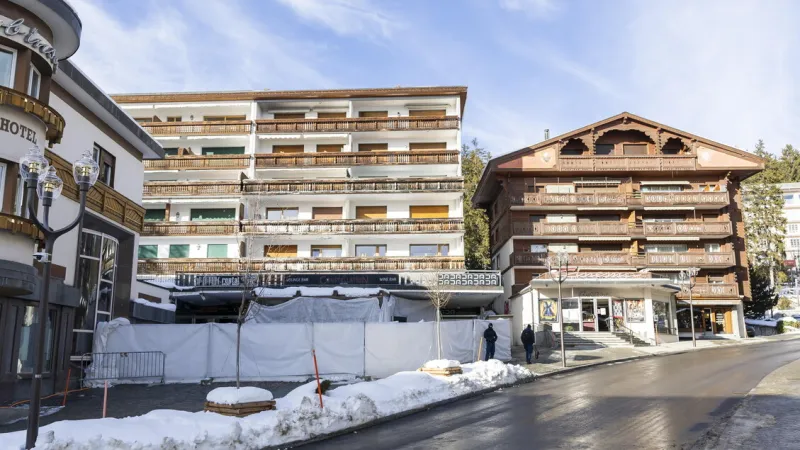
A young Italian woman, a survivor of a harrowing New Year's Eve incident in the Swiss alpine resort of Crans-Montana, has revealed that a crucial emergency exit was allegedly chained shut. This revelation comes as she grapples with serious injuries sustained during the event, raising urgent questions about safety protocols at the popular tourist destination.
The survivor, whose identity has not been publicly released, provided her testimony from a hospital bed where she is recovering from severe physical trauma. Her account paints a chilling picture of panic and confusion exacerbated by a blocked escape route during what was meant to be a festive celebration.
The incident occurred as revelers gathered to mark the transition into the new year at a venue within Crans-Montana, a renowned resort area known for its ski slopes and vibrant social scene. The exact nature of the initial emergency that prompted the need for evacuation remains under investigation.
Chaining an emergency exit constitutes a grave violation of fundamental safety regulations designed to protect occupants in public spaces. Such measures are universally mandated to ensure unobstructed egress during fires, structural collapses, or other unforeseen hazards.
Authorities in Switzerland are expected to launch a comprehensive investigation into these serious allegations. The focus will likely center on the venue operators, local safety inspectors, and the specific circumstances that led to such a critical safety breach.
The young woman's experience underscores the profound physical and psychological toll on victims of preventable accidents. Her testimony offers a critical firsthand perspective on the immediate dangers posed by compromised safety infrastructure.
This incident in Crans-Montana casts a harsh light on the broader issue of public safety oversight in entertainment and hospitality venues, particularly during periods of high demand like holiday seasons. Ensuring compliance with safety codes is paramount for public trust and well-being.
Should the allegations prove true, the responsible parties could face significant legal repercussions, including criminal charges for negligence and substantial civil lawsuits for damages. The precedent for severe penalties in such cases is well-established.
The seriousness of potential safety breaches resonates with past tragedies where negligence led to dire outcomes. For instance, the Viareggio Massacre saw a former rail CEO imprisoned following a catastrophic train derailment attributed to systemic safety failures, highlighting the stringent accountability expected in such incidents.
Public safety regulations exist precisely to prevent such harrowing scenarios. The community and visitors to Crans-Montana will undoubtedly demand transparency and assurances that such a lapse will not recur.
This incident serves as a stark reminder for all venue operators and regulatory bodies to rigorously review and enforce safety standards. The lives and well-being of patrons depend on unwavering vigilance and adherence to these critical protocols.
As an Italian national, the survivor's case may also draw diplomatic attention, reinforcing the need for international cooperation in ensuring safety standards across borders for tourists and residents alike.
While investigations are ongoing, the public expects a thorough and swift resolution. Any failure to uphold safety standards not only endangers lives but also tarnishes the reputation of destinations like Crans-Montana, which rely heavily on visitor confidence.
This situation emphasizes the importance of routine and unannounced safety inspections, particularly in high-occupancy venues. Relying solely on self-regulation often proves insufficient.
Beyond physical injuries, survivors often endure long-term psychological distress. Access to emergency exits is not a luxury but a fundamental right, ensuring a chance at survival and reducing trauma in crisis situations.
The outcome of the Crans-Montana investigation could set important precedents for accountability and influence future safety legislation, not only in Switzerland but potentially across Europe, urging a re-evaluation of current enforcement mechanisms.