 Edward DP Situmorang
HAVANA — The Cuban communist regime, grappling with an unprecedented economic crisis, is on the precipice of bankruptcy, prompting its leadership to signal a profound shift in its longstanding socialist model. President Miguel Díaz-Canel has announced reforms, which experts suggest may mask a deeper, more strategic agenda aimed at securing the regime's survival amidst escalating internal and external pressures.
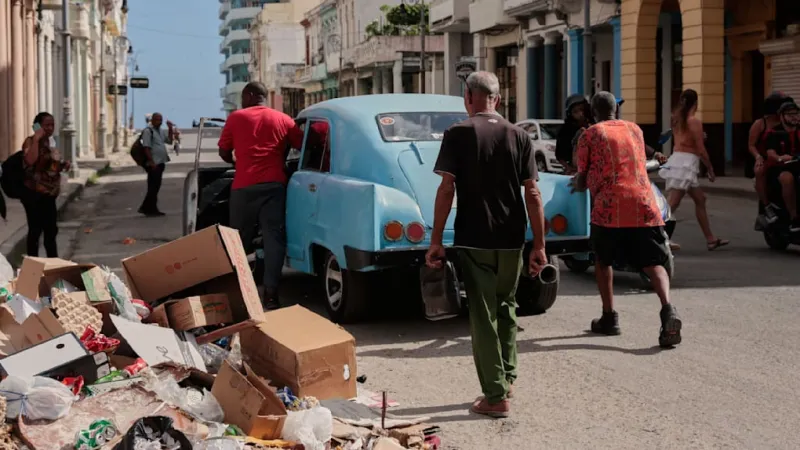
For decades, Cuba has adhered strictly to a centrally planned economy, a hallmark of its socialist revolution. However, chronic inefficiencies, coupled with tightening United States sanctions and dwindling support from key allies, have pushed the Caribbean nation to an economic breaking point. The severity of the current situation is starkly evident in widespread shortages of food, medicine, and essential goods, alongside deteriorating infrastructure and a pervasive lack of public services.
The economic hardships have fueled growing public discontent, manifesting in increased emigration and a palpable sense of desperation among the populace. This internal unrest exerts immense pressure on the ruling Communist Party, challenging its legitimacy and control in ways not seen since the collapse of the Soviet Union, Cuba's former primary benefactor.
President Díaz-Canel's administration, while maintaining a firm grip on political power, has publicly acknowledged the necessity for change. The announced reforms hint at a departure from strict state control, potentially including measures to boost private enterprise, attract foreign investment, and decentralize certain economic activities. These proposed changes represent a significant ideological challenge to the foundational principles of the Cuban revolution.
However, analysts observing the Cuban political landscape caution that Havana's true motivations extend beyond simple economic liberalization. Many suggest that the regime views these reforms primarily as a mechanism for self-preservation, a tactical maneuver to alleviate immediate economic strain and quell social unrest without ceding substantial political control or opening the door to genuine democratic reforms.
The proposed overhaul is not merely about adapting to new economic realities; it is about navigating a delicate balance. The government seeks to inject much-needed vitality into its moribund economy while simultaneously insulating the Communist Party from any potential loss of authority. This strategy mirrors approaches taken by other communist nations, such as China and Vietnam, which have integrated market elements while retaining one-party rule.
One of the critical challenges for the Cuban leadership involves attracting foreign capital without creating a robust private sector that could eventually demand greater political freedoms. The state's continued dominance in key industries and its opaque legal framework for investment remain significant deterrents for potential international partners.
External factors continue to shape Cuba's difficult choices. The steadfast policy of President Donald Trump's administration regarding sanctions and diplomatic isolation further constrains Cuba's options. Havana finds itself increasingly isolated economically, forcing a reevaluation of its strategies for survival.
The coming months will prove crucial as the details of these reforms emerge. The effectiveness of any economic adjustment will ultimately depend on their scope and sincerity, as well as the regime's willingness to implement them without reverting to old patterns of centralized command and control. The island's future hinges on whether these changes represent a genuine pivot towards a sustainable economic model or merely a temporary reprieve designed to prolong the status quo.
The international community remains watchful, cognizant that the implications of Cuba's economic trajectory extend beyond its borders, potentially impacting regional stability and future diplomatic relations. The stakes are profoundly high for the Cuban people, who await the tangible outcomes of a historical moment poised to reshape their nation's destiny.