 Debby Wijaya
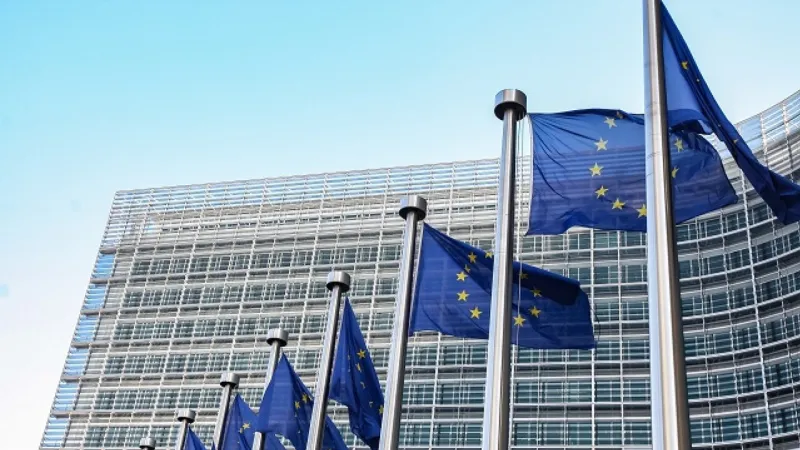
Rome, Italy – A recent Eurobarometer survey indicates that a significant majority of Italians, 81 percent, perceive the European Union as a stable environment, reflecting a strong sense of security within the bloc. The poll further reveals that 63 percent of Italian citizens are optimistic about the future trajectory of the Union, a figure notably surpassing the EU average of 58 percent. These findings underscore a growing national confidence in European integration at a pivotal moment for continental unity.
The comprehensive survey, which gauges public opinion across member states, positions Italy as a key nation expressing robust confidence in the European project. This substantial 81 percent figure concerning stability suggests that despite global volatilities and internal European debates, Italian citizens largely view the EU as a dependable anchor.
This perception of stability stands in contrast to previous periods of skepticism regarding European governance and economic policies. For years, Italy grappled with various challenges, including sovereign debt crises and migration pressures, which at times fueled anti-EU sentiments among segments of the populace.
However, the current data suggests a significant shift in public mood. The 63 percent optimism rate among Italians for the EU's future is particularly noteworthy. It indicates not just a belief in the present stability but also a positive outlook on the Union's capacity to navigate forthcoming challenges and deliver collective prosperity.
This optimism contrasts sharply with a perceived dip in morale across some other EU nations, where the average optimism stands at a more modest 58 percent. Analysts suggest that Italy's recovery from recent economic downturns, partially aided by EU recovery funds, may contribute significantly to this uplifted national sentiment.
The strategic allocation of funds from the NextGenerationEU program has played a crucial role in bolstering various sectors of the Italian economy, from digital transformation to green initiatives. Such tangible benefits can directly influence public perception regarding the utility and resilience of the European Union.
Furthermore, Italy's active role in shaping European policy, particularly on critical issues such as energy security and migration management, might also contribute to a stronger sense of ownership and positive engagement with the Union. This proactive stance helps foster a perception of Italy as an influential member state rather than a mere recipient of directives.
The geopolitical landscape in 2026 also presents a complex backdrop. With global powers recalibrating alliances and economic uncertainties persisting worldwide, the European Union is increasingly seen by many as a bulwark against external pressures. As an expert recently noted, President Trump May Prove Europe's Unexpected Catalyst, pushing the continent towards greater unity and self-reliance.
For Italian businesses and consumers, a stable EU implies predictable markets, consistent trade regulations, and a unified approach to global economic challenges. This environment fosters investment and consumer confidence, directly impacting daily lives.
While the Eurobarometer results are overwhelmingly positive for Italy, they also implicitly challenge EU leaders to maintain this momentum. Sustaining high levels of public trust requires continuous demonstration of the Union's capacity to address pressing issues effectively, from climate change to technological innovation.
The findings resonate with the broader objective of European integration: to foster peace, stability, and prosperity across the continent. Italy's strong endorsement of these principles through the Eurobarometer survey provides valuable insight into the evolving relationship between citizens and the supranational entity.
The Eurobarometer surveys, conducted regularly, serve as essential tools for policymakers in Brussels and national capitals. They offer a snapshot of public sentiment, highlighting areas of strength and potential concern, thereby enabling more targeted and effective governance.
In essence, the Italian public's prevailing view of the EU as stable, coupled with a significant surge in optimism, signals a deepening connection to the European project. This sentiment could empower Italy to play an even more constructive role in shaping the future direction of the Union, reinforcing its foundational values and collective strength.