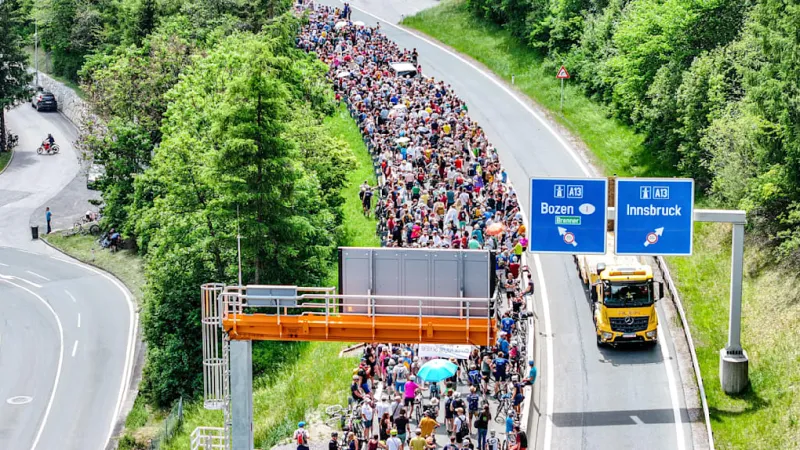
 Chris Robert
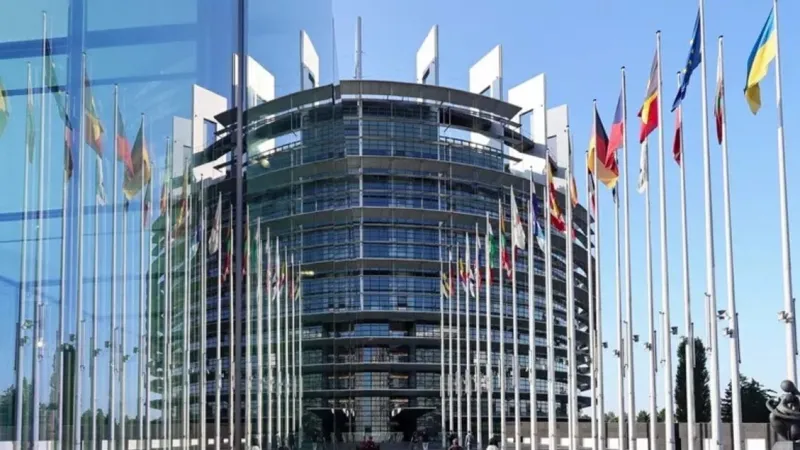
STRASBOURG – The European Parliament has granted final approval to a landmark migration and asylum pact, significantly tightening rules on migrant repatriations and paving the way for controversial new processing centers in third countries. This legislative victory, primarily spearheaded by the European Peoples Party (EPP) and allied right-wing factions, culminates years of contentious debate aimed at overhauling the bloc's approach to irregular migration.
The new comprehensive framework, often referred to as the EU Migration and Asylum Pact, seeks to establish a more unified and efficient response to migration challenges. It aims to balance solidarity among member states with stricter border controls and streamlined return procedures for individuals not qualifying for asylum.
The pact represents a profound shift in European migration policy, moving away from ad-hoc responses towards a more institutionalized and potentially more restrictive system. Supporters argue this cohesion is vital for managing future migration flows effectively and deterring human trafficking networks.
A core, and highly debated, component of the approved legislation involves establishing repatriation centers in non-EU countries. These facilities are intended to process asylum claims outside the Union and manage the return of individuals deemed ineligible for protection within the European Union's borders.
Proponents of the pact, including senior figures within the EPP, assert that these measures are indispensable for regaining control over external borders and restoring public confidence in migration management. They emphasize the necessity of a coherent European strategy to address a complex global phenomenon.
Conversely, human rights organizations and various progressive political groups have vehemently opposed several provisions of the pact. They express deep concerns about potential human rights violations within third-country centers, the expedited nature of asylum assessments, and the fundamental principle of non-refoulement.
Critics contend that the pact risks externalizing Europe's asylum responsibilities, potentially creating conditions where vulnerable individuals face inadequate legal protections and access to fair proceedings. They warn against a race to the bottom in terms of refugee rights.
The decisive vote underscored a significant political alignment between the EPP, the largest group in the Parliament, and various right-wing parties. This coalition proved instrumental in securing the necessary majority despite robust opposition from the left and parts of the Green political spectrum.
Europe has grappled with escalating migration pressures for over a decade, with major influxes creating profound political and social divisions across the continent. Previous attempts to forge a common asylum policy frequently faltered due to intractable disagreements among member states, making this approval a critical juncture.
The pact aims to share the burden of asylum processing and migrant repatriation more equitably among member states. While solidarity mechanisms are included, the specifics of their application and enforceability have remained a point of contention, particularly for frontline nations.
Countries on Europe's external borders, such as Italy and Greece, have long advocated for greater support and burden-sharing from their northern European partners. This new framework purports to offer a more structured approach to alleviate the pressure on these entry points.
Despite final parliamentary approval, the pact's implementation is expected to face numerous challenges. Legal experts anticipate potential court challenges, and the practicalities of negotiating and operating centers in third countries present complex diplomatic and logistical hurdles.
The move also carries broader geopolitical implications, as the EU seeks strengthened partnerships with countries outside its borders to manage migration flows. This strategy parallels approaches taken by other nations globally, drawing both praise for pragmatic solutions and criticism for ethical considerations.
While the focus here is on migrant repatriation, it is important to note that discussions on legal migration pathways, such as those encouraging skilled worker inflow, often run in parallel. Germany's Skilled Worker Inflow Soars; One Nation Dominates highlights a different facet of migration that European nations actively seek to manage.
The European Commission will now play a pivotal role in overseeing the diligent rollout of these new regulations, ensuring compliance and addressing unforeseen complexities. Its success will ultimately determine the efficacy and fairness of Europe's new migration paradigm.
The long-term impact of this sweeping legislative overhaul on migration patterns, human rights, and political cohesion within the European Union will be closely scrutinized by international observers and member states alike.