Gabriella
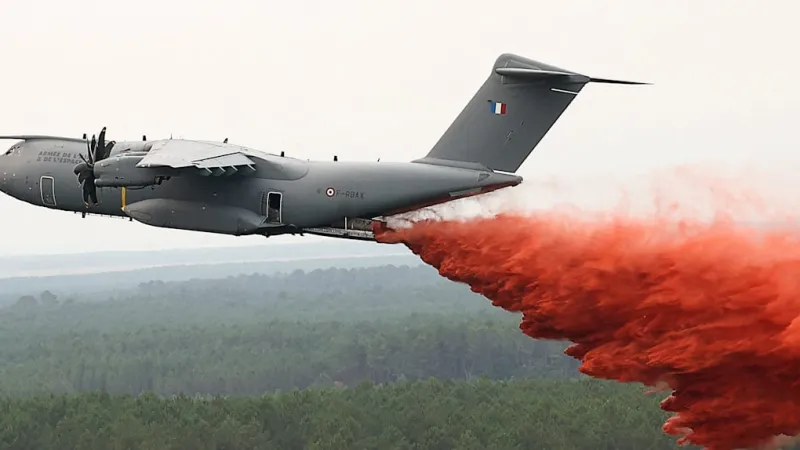
Southwestern Europe confronts an escalating wildfire crisis, compelling the evacuation of over a quarter-million people across France and Spain. A European A400M military transport aircraft provides critical assistance to French firefighting operations, while Italian authorities in Calabria vigorously investigate suspected arson, describing the methods employed as "inhumane."
The scale of displacement underscores the immediate danger posed by the blazes, with approximately 257,000 residents and tourists relocated from affected zones across both nations. Emergency services continue to manage the complex logistics of these large-scale movements, prioritizing safety and coordinating temporary shelters.
The deployment of the A400M military transport aircraft highlights international cooperation in combating the infernos. This versatile aircraft offers significant water-dropping capabilities, providing crucial aerial support to ground crews battling the rapidly spreading fronts.
While France and Spain confront widespread conflagrations, Italy also grapples with substantial wildfire activity, particularly in its southern regions. The situation in Calabria has drawn particular concern due to the suspicious origins of several destructive fires.
Civil protection officials in Calabria have openly voiced suspicions regarding the deliberate ignition of these fires. Their preliminary assessments suggest that these blazes did not originate from natural causes, prompting an intensive criminal investigation.
Speaking on the dire situation, the Calabria Civil Protection agency indicated its belief that the fires were started using "inhumane methods," suggesting a malicious intent behind the devastating outbreaks. This unequivocal statement has fueled local outrage and further intensified investigative efforts.
Deliberate fire-setting profoundly exacerbates an already challenging natural disaster, straining emergency resources and directly endangering lives and property. Investigations are actively underway to identify and apprehend those responsible for such acts, which carry severe legal penalties under Italian law.
The European wildfires inflict a severe toll on the environment, destroying vast tracts of forests, disrupting delicate ecosystems, and contributing significantly to air pollution. The long-term ecological recovery in these ravaged areas will undoubtedly span many years, requiring extensive conservation efforts.
Beyond the environmental devastation, the fires carry significant economic repercussions, negatively impacting vital sectors such as tourism, agriculture, and local infrastructure. Rebuilding efforts and providing robust support to affected communities will necessitate substantial public and private investment.
National and regional emergency services across the continent remain on high alert, coordinating resources and personnel. Firefighting teams, civil protection units, and military personnel are working tirelessly to contain the active fronts and protect residential areas and critical infrastructure.
With climate change frequently cited as a major contributing factor to increasingly severe fire seasons, experts warn that such intense wildfire events may become more frequent in the years ahead. Authorities are actively evaluating long-term strategies for enhanced prevention, early detection, and more effective response mechanisms.