 Angel Doris

Sachsen-Anhalt, Germany – The upcoming state election in Sachsen-Anhalt has galvanized significant attention across Europe, drawing scrutiny from capitals keenly observing shifts in German political sentiment. Poland, in particular, has voiced apprehensions about a potential new German pride, while French media outlets have described the German political landscape as increasingly prone to a political dead end. This regional ballot is widely perceived as a critical barometer for national trends and broader European stability.
The pronounced interest stems from Germany's pivotal role within the European Union and its economic influence. Electoral outcomes in even smaller German states are often interpreted as indicators of the national mood, potentially signaling a realignment of political power or the rise of new ideological currents that could reverberate across the continent.
Polish media, including prominent news sources, have highlighted the concept of a new German pride in their analyses of the Sachsen-Anhalt context. This terminology evokes historical sensitivities and suggests a cautious observation of any perceived resurgence in German nationalism or a more assertive stance in European affairs. The concern is rooted in geopolitical considerations, particularly as Warsaw monitors its western neighbor's internal dynamics.
Conversely, French commentators have articulated worries regarding Germany's political stability, frequently referencing a political dead end. This perspective often points to challenges in coalition formation, the fragmentation of traditional party strengths, and the increasing difficulty in establishing stable governance, which could impede Germany's capacity for decisive action on the European stage.
The specific dynamics within Sachsen-Anhalt often reflect national challenges, including economic disparities, demographic shifts, and immigration debates. The performance of established parties like the Christian Democratic Union (CDU) and the Social Democratic Party (SPD), alongside the rise of alternative political movements, are under particular observation. Regional elections in the eastern German states, such as Sachsen-Anhalt, have historically been bellwethers for voter discontent and shifts towards parties capitalizing on such sentiments.
This heightened scrutiny is not isolated. Across Europe, there is an overarching anxiety regarding political extremism and the resilience of democratic institutions. Germany, as the EU's largest economy, often serves as a focal point for these continental anxieties. The outcome in Sachsen-Anhalt is thus viewed through a lens of broader European political health.
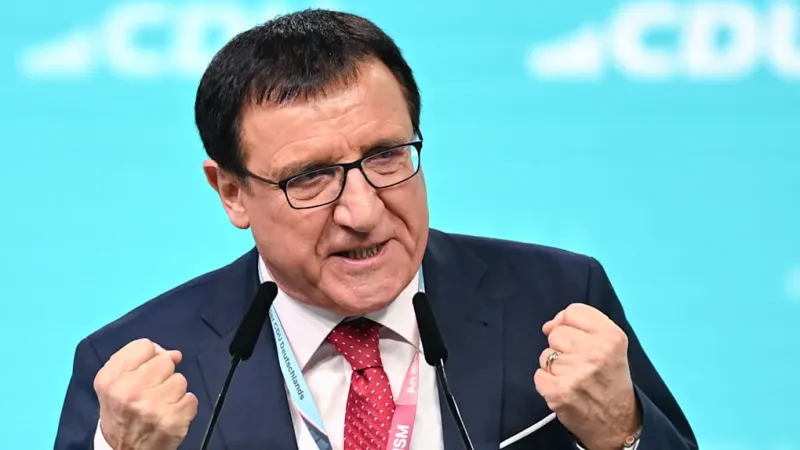
Observers are particularly keen on how mainstream parties adapt their strategies to counter the narratives of populist or nationalist factions. The capacity of traditional parties to form stable, functional governments in diverse regional parliaments is seen as a test for the robustness of Germany's political system. The ongoing challenges faced by national party leaders, such as the struggles of CDU Leader Merz, underscore these vulnerabilities. Readers interested in the broader context of German party dynamics might find insights in reports like CDU Leader Merz Faces Approval Crisis; Eastern Voters Reject AfD.
The European gaze also considers the implications for common EU policies, ranging from economic coordination to climate action and defense. A fragmented or unstable Germany could complicate consensus-building within the European Council, potentially slowing down critical initiatives.
Ultimately, the Sachsen-Anhalt election transcends its local significance. It stands as a profound stress test for German democracy and a crucial indicator of the political currents shaping the future of the European project. The results will be analyzed not merely for their impact on Magdeburg, the state capital, but for their reverberations across Brussels, Paris, and Warsaw.
This regional poll offers a snapshot of how deeply ingrained economic anxieties and cultural debates manifest in electoral choices, providing essential data for political strategists and policymakers throughout the continent. European leaders await the outcome with a mixture of hope and apprehension, understanding that the choices made in this German state will contribute to the narrative of Europes ongoing political evolution.