Gabriella
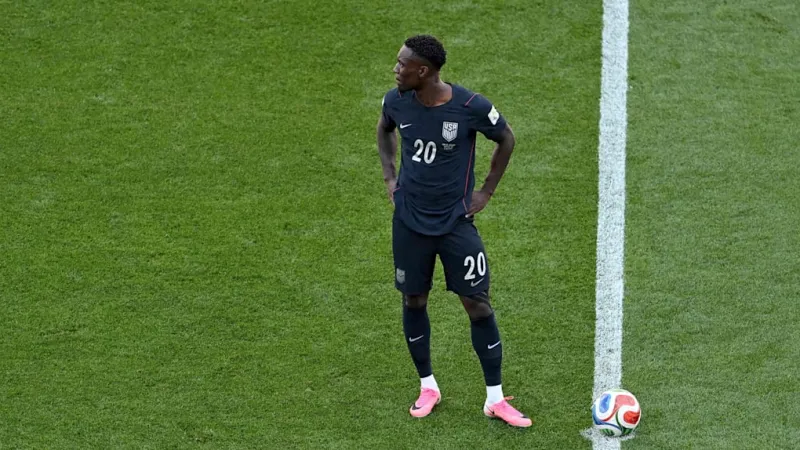
ZURICH – The international governing body of football, FIFA, released an exhaustive statement this week explaining its decision to conditionally suspend the ban on US striker Folarin Balogun. The official communication, spanning 13 paragraphs, offered a solitary sentence to address the specific rationale behind Balogun's reprieve, dedicating the overwhelming majority of its content to launching a sharp counter-attack against UEFA, European football's governing body.
The detailed yet opaque statement has done little to quell the controversy surrounding the Balogun decision. This reversal, which reinstated the American forward for critical World Cup matches, followed intense public discourse and, notably, direct intervention from President Donald Trump.
Observers of global football governance note the glaring disparity in the statement: extensive denouncements of UEFA's purported past failings and regulatory discrepancies overshadow any substantive explanation for alleviating Balogun's original disciplinary action. The initial sanction against Balogun had previously seen a FIFA appeal rejected, as noted in earlier reports indicating President Trump claimed the foul was "not there".
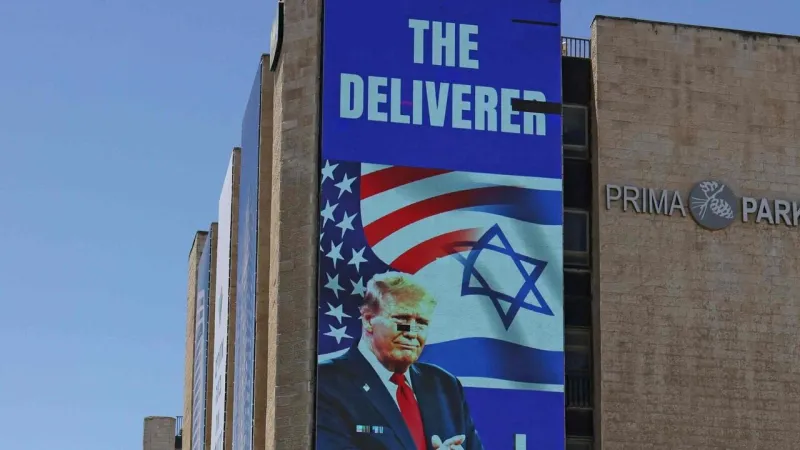
President Trump's vocal involvement played a pivotal role in the dramatic turnaround of Balogun's status. Reports such as Trump Intervention Reinstates Balogun for World Cup, Sparks Outcry highlighted the unprecedented nature of a sitting US President directly influencing a FIFA disciplinary outcome. This intervention sparked widespread debate about the integrity and independence of international sports arbitration.
FIFA's document, while short on specifics for Balogun, did not mince words regarding UEFA. It accused its European counterpart of various governance issues and what it described as a lack of adherence to broader global footballing principles. While the precise nature of these accusations remains somewhat generalized, they suggest deep-seated friction between the two powerful organizations.
Many analysts interpret FIFA's aggressive posture towards UEFA as a calculated move to deflect criticism from its own handling of the Balogun affair. By shifting the narrative to inter-organizational disputes, FIFA appears to aim at diverting attention from questions concerning external influence on its judicial processes.
The broader implications for FIFA's credibility are significant. The episode, described by some as igniting a FIFA Credibility Crisis, raises uncomfortable questions about the susceptibility of sports federations to political pressure and the transparency of their decision-making frameworks. Critics contend that the lack of clear justification for the Balogun reinstatement further erodes public trust.
Football pundits and various national associations have reacted with a mix of concern and cynicism. While few openly criticize President Trump's involvement, the process itself has been widely scrutinized. The notion that such a significant disciplinary decision could be influenced by external, non-sporting entities poses a challenge to the perceived fairness of the game.
The immediate beneficiary is the US national team, which now sees Balogun available for upcoming crucial World Cup fixtures. His presence undoubtedly strengthens the squad, but it also carries the baggage of an unconventional path to eligibility, potentially creating distractions for the team.
This entire saga underscores the increasing intersection of sports, politics, and global governance. The "Balogun decision" may set a precedent for future interventions, forcing international sports bodies to re-evaluate their autonomies and their communication strategies in an ever more interconnected and politically charged world.
The lingering questions about transparency and the precise mechanisms of Balogun's reinstatement continue to fuel discussions among football enthusiasts and governance experts alike. FIFA's deflection towards UEFA, while providing a convenient counter-narrative, ultimately leaves the core inquiry into its initial judgment largely unaddressed.