 Debby Wijaya
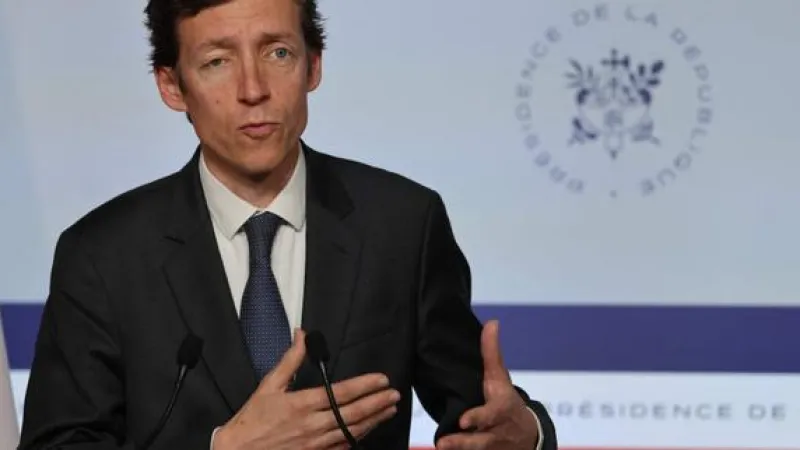
Paris, France – Students across France will soon be required to answer questionnaires addressing sexual and gender-based violence, a directive announced by Edouard Geffray, a prominent figure within the French Ministry of Education, in response to alarming revelations of abuse in after-school programs during autumn 2025. The measure aims to identify the scope of the problem and provide a systemic response to protect young people in educational and extracurricular settings.
The decision follows a tumultuous period for French education authorities, marked by several high-profile scandals involving allegations of sexual violence in Parisian after-school care facilities. These revelations in late 2025 led to the suspension of dozens of youth workers and animators, many implicated in sexual assault cases.
Beyond the capital, similar incidents have surfaced in various other regions of France, underscoring a pervasive issue that extends beyond localized instances. The widespread nature of these reports has galvanized officials to implement a more comprehensive and proactive strategy to safeguard students.
Geffray's announcement signals a significant shift in the approach to tackling these sensitive issues within the educational framework. While specific details about the questionnaire's content and implementation timeline are still emerging, the mandate emphasizes the government's commitment to creating a safer environment for children.
The initiative is designed not only to uncover instances of abuse but also to foster a culture of open communication among students, encouraging them to report concerns without fear. Education officials hope this direct engagement will provide invaluable data to inform future preventative policies and intervention strategies.
Critics and child protection advocates have long called for more robust mechanisms to address sexual violence in schools and associated programs. They argue that traditional reporting methods often fall short, failing to capture the true prevalence of such incidents due to fear, stigma, or lack of awareness among victims.
The implementation of mandatory student questionnaires is expected to face scrutiny regarding privacy concerns and the psychological impact on young respondents. However, proponents assert that carefully designed surveys, administered with appropriate psychological support, are crucial tools for data collection in such delicate matters.
This new directive aligns with broader efforts within the French government to enhance child protection. The Ministry of Education has recently been under pressure to address various challenges, including calls for reform continuity, as previously highlighted in articles like Geffray Pledges Education Reform Continuity Amidst French Election Scrutiny.
The fallout from the 2025 scandals highlighted significant oversight gaps in after-school care. These programs, often run by municipal authorities or private associations, provide essential services but sometimes operate with less stringent supervision compared to formal schooling.
Authorities have underscored that the collected data will be anonymized to protect student identities, ensuring that responses contribute to aggregated statistical analysis rather than individual case tracking through the questionnaire itself. This anonymization is presented as key to encouraging candid participation.
Educational institutions will likely be tasked with preparing students for the questionnaire, providing clear explanations of its purpose, and reassuring them about confidentiality. Training for staff on how to support students before, during, and after the survey will be paramount.
The move also reflects a growing international trend towards recognizing and addressing sexual and gender-based violence within educational settings, acknowledging the systemic nature of these issues and the necessity of proactive measures.
While the immediate focus is on data collection, the long-term objective includes developing more targeted educational programs for students, parents, and staff about consent, boundaries, and reporting procedures.
The introduction of the questionnaire is a tangible step in a broader strategy to re-establish trust in France's extracurricular and educational facilities. The Ministry of Education intends to demonstrate a firm stance against abuse and a commitment to transparency.
Edouard Geffray’s announcement comes at a critical juncture for French public policy concerning youth welfare. The government faces the challenge of implementing these measures effectively while navigating the complexities of privacy, child psychology, and institutional accountability.
The success of this initiative will hinge on careful execution, comprehensive support systems, and continuous evaluation to ensure it genuinely contributes to a safer environment for all students across France. This commitment to student well-being is a core aspect of national education policy.