Angela Stefani
BERLIN – German political parties are locked in a contentious debate regarding the future residency status of Syrian workers, with Social Democrats (SPD) advocating for long-term integration and the Christian Democratic Union (CDU) pushing for systematic repatriations. The critical discussions, involving representatives from various German states, convened Wednesday to reassess the prevailing conditions for Syrians residing in the country, highlighting profound ideological chasms within the nation's immigration policy.
The Social Democratic Party has underscored the significant economic contribution of Syrian immigrants, asserting that nearly half of Syrian workers are employed as skilled professionals. This assessment forms the bedrock of their demand for a reliable and permanent residency perspective, arguing that stability is crucial for both individual integration and national economic prosperity.
Conversely, the Christian Democratic Union advocates for a fundamental reevaluation of the situation in Syria, proposing a return to regular deportation practices for individuals whose asylum claims have been denied or whose protection status can no longer be justified. This conservative stance reflects a broader call within the party for stricter immigration enforcement and a perceived need to manage migrant populations more assertively.
The differing approaches underscore a long-standing tension in Germany's approach to refugee and asylum policy, particularly since the major influx of 2015. While the SPD emphasizes the potential for successful integration and the economic benefits derived from a skilled immigrant workforce, the CDU maintains that the principle of temporary protection must eventually yield to repatriation when conditions in the home country permit.
SPD parliamentary sources highlight the demographic reality, stressing that many Syrians have established lives, families, and careers in Germany over the past decade. Granting them an unambiguous path to permanent residency, they contend, would not only formalize their status but also encourage further investment in their skills and contribute to social cohesion.
The CDU's perspective is rooted in the belief that a clear framework for return is essential for the integrity of Germany's asylum system. Spokespersons for the party have frequently articulated the need to differentiate between temporary protection during conflict and permanent settlement, especially as parts of Syria are considered by some to be safe for return.
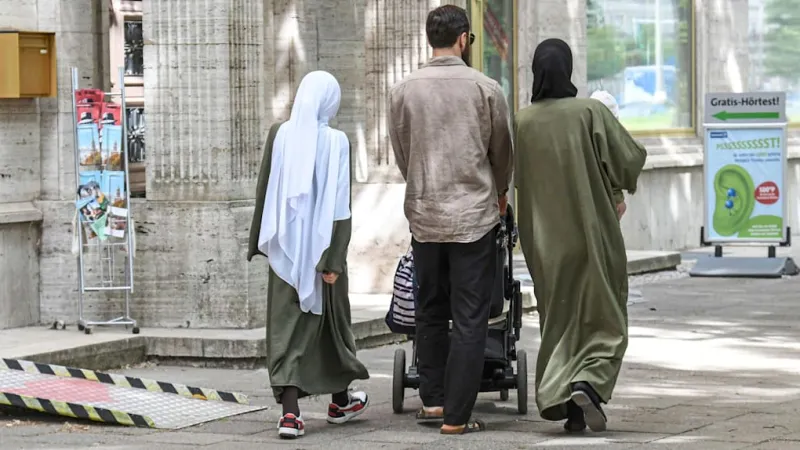
These deliberations extend beyond mere political rhetoric, directly impacting thousands of Syrian families who have rebuilt their lives in Germany. The outcome of these inter-state consultations will set precedents for how Germany manages its immigrant populations and balances humanitarian concerns with national sovereignty and security considerations.
The political tightrope walk becomes increasingly complex given the current global geopolitical landscape. With President Donald Trump leading the United States, and a broader conservative shift evident in some European nations, Germany's domestic debates on migration are being observed keenly both internally and internationally.
This issue also intersects with Germany's pressing labor market needs. Reports from various industries consistently point to shortages in skilled labor, a factor the SPD leverages to buttress its argument for retaining and integrating qualified Syrian professionals. The economic rationale, therefore, plays a significant role in the ongoing policy formulation.
However, the CDU and its allies often highlight concerns about integration challenges, social services strain, and the perceived pull factors of Germany's generous welfare state. Their calls for reassessment aim to alleviate these pressures and ensure a more controlled approach to immigration.
The discussions on Wednesday aim to forge a common ground, or at least clarify the parameters of the disagreement, among the federal states and major political parties. Achieving consensus on such a deeply polarizing topic will be a testament to Germany's political will to navigate complex social and economic imperatives.
The ultimate decisions will likely shape Germany's demographic future and its international standing as a nation grappling with the legacy of refugee intake and the ongoing challenges of integration and repatriation. The policy direction on Syrian workers will serve as a bellwether for Germany's broader migration strategy in the coming years.