 Edward DP Situmorang
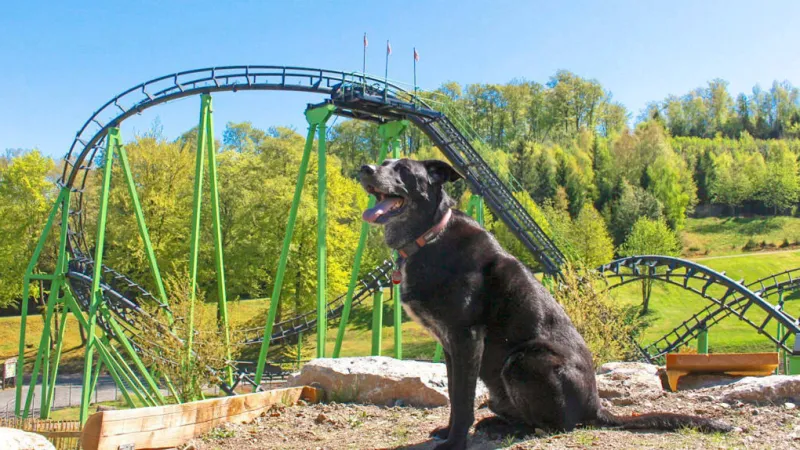
SAUERLAND, Germany – The nations first dedicated dog playground within an amusement park has officially opened its gates in the Sauerland region, offering canines a novel recreational space adjacent to thrill rides. This innovative facility, charging five euros for entry, aims to provide pets with their own zone featuring seesaws and climbing frames, yet it has simultaneously ignited a widespread discussion among animal welfare advocates and pet owners regarding the suitability of such environments for dogs.
Located within a popular theme park, the new attraction represents a significant pivot in how public leisure spaces are conceptualized for pet owners. Traditionally, amusement parks have maintained strict policies against animals, citing safety and hygiene concerns. The Sauerland park seeks to challenge this norm by creating a distinct, supervised area.
For a nominal fee of five euros, dogs gain access to an array of agility equipment designed to stimulate physical activity and mental engagement. This includes carefully constructed ramps, tunnels, and balance beams, all intended to provide a stimulating experience away from the bustling main attractions.
The initiative raises fundamental questions about the intersection of human entertainment and animal well-being. Proponents argue that it offers an unprecedented opportunity for dog owners to enjoy a full day out without leaving their companions behind, fostering a more inclusive travel experience.
However, veterinary professionals and animal behaviorists express reservations. Dr. Lena Schmidt, a prominent animal psychologist, stated, "While the intention to accommodate pets is commendable, the high sensory input from an amusement park environment – the loud screams, sudden noises of roller coasters, and dense crowds – can induce significant stress and anxiety in many dogs, regardless of a separate play area."
Critics also point to the potential for overstimulation, heat stress during warmer months, and increased exposure to unfamiliar dogs, which could lead to behavioral issues or altercations. The enclosed nature of such a space, even if dedicated, does not fully mitigate the ambient stressors of a busy leisure complex.
Conversely, supporters highlight the opportunity for well-socialized dogs to engage in novel play and for owners to enjoy their vacation without the guilt or logistical challenges of pet separation. They argue that responsible owners can discern whether their particular dog is suited to such an environment and take necessary precautions.
The park management asserts that the playground was designed with animal comfort in mind, including shaded areas and access to water. They emphasize that participation is voluntary and contingent upon owners assessing their pets temperament and tolerance for bustling surroundings.
This development in the Sauerland region reflects a broader trend toward making public spaces more pet-friendly across Germany and other European nations. From restaurants to hotels, businesses are increasingly adapting to accommodate the growing number of households with companion animals.
Yet, the unique characteristics of an amusement park, with its inherent sensory overload and unpredictable stimuli, set this initiative apart. It pushes the boundaries of what is considered a suitable environment for domestic animals, prompting a nuanced debate on the true meaning of pet-friendly.
Experts suggest that clear guidelines and thorough screening of participating dogs could be crucial for the success and ethical operation of such facilities. Education for pet owners on recognizing signs of stress in their animals is also deemed vital.
The long-term viability and expansion of such dog playgrounds will likely depend on their ability to consistently demonstrate a net positive impact on animal welfare, rather than merely serving human convenience. The Sauerland park will be a critical case study in this evolving landscape of pet-inclusive tourism. Public opinion remains divided, underscoring the complexities inherent in integrating pets into previously human-centric recreational activities.