 Angela Stefani
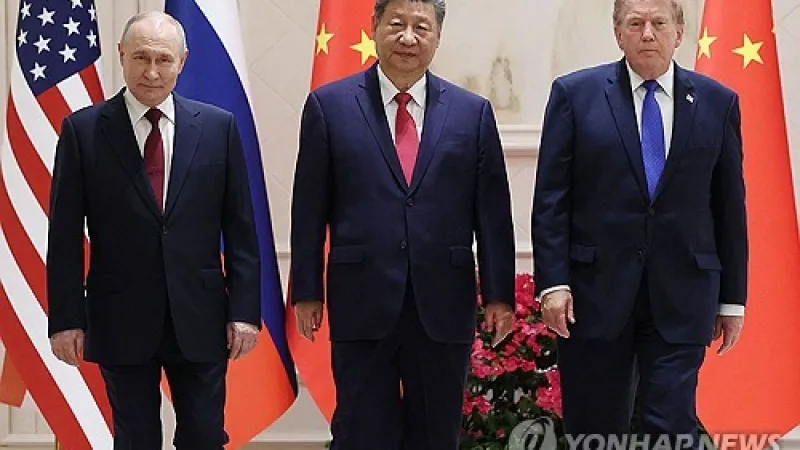
SHENZHEN, China – The leaders of the United States, China, and Russia—President Donald Trump, President Xi Jinping, and President Vladimir Putin—convened for an unprecedented trilateral summit on November 19, focusing squarely on the pressing issue of global nuclear arms reduction. The landmark gathering, held in the bustling southern Chinese metropolis, marked a pivotal moment in international diplomacy as the world's foremost nuclear powers sought common ground on strategic stability and disarmament protocols.
The high-stakes meeting, confirmed by all three nations weeks prior, aimed to de-escalate growing global anxieties surrounding an evolving nuclear landscape. While bilateral discussions between the nuclear-armed states are common, a direct trilateral engagement at this leadership level to discuss a comprehensive nuclear arms reduction strategy had remained elusive until now, making this summit a historic first.
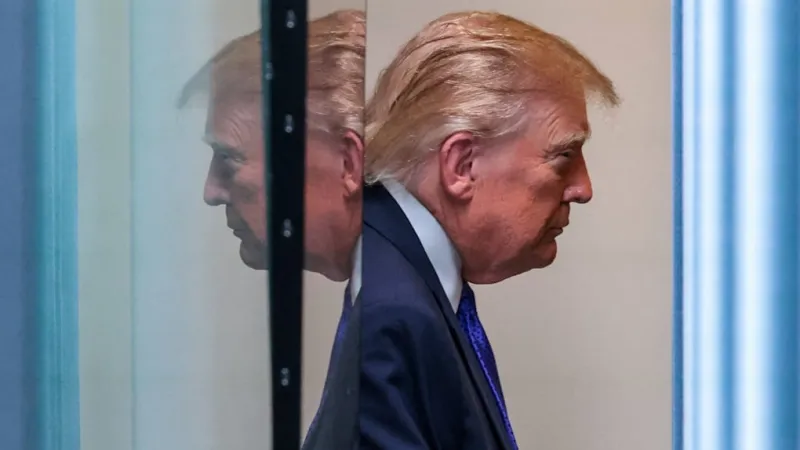
President Trump, arriving from a series of engagements in Asia, emphasized the imperative of collective action to prevent a new arms race. Administration officials noted that the President viewed this summit as a crucial opportunity to reset global nuclear security paradigms, particularly as existing treaties face increasing strain and new weapon technologies emerge.
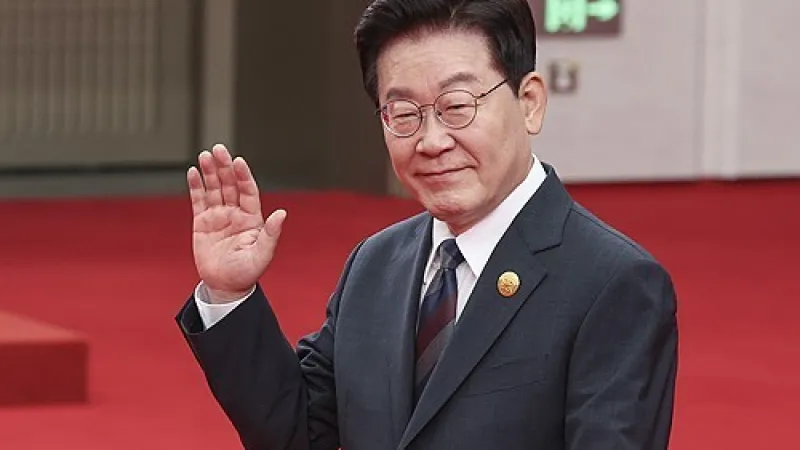
For China, the summit represented a significant elevation of its role in global security architecture. President Xi Jinping highlighted China's commitment to multilateralism and its readiness to contribute constructively to international peace and stability, framing nuclear arms reduction as a shared responsibility. His participation underscored Beijing's rising diplomatic influence on issues historically dominated by the US and Russia.
President Putin, meanwhile, utilized the forum to reassert Russia's status as a pivotal global player. Moscow has consistently called for a comprehensive dialogue on strategic stability, arguing that the intricate web of security challenges demands a direct engagement among the major powers. The Kremlin indicated that the summit provided a platform to address long-standing concerns regarding missile defense systems and the future of arms control treaties.
The core agenda revolved around discussions concerning the modernization of nuclear arsenals, the development of hypersonic weapons, and the potential for new arms control frameworks. Experts suggested the leaders explored mechanisms for enhanced transparency, verification protocols, and steps to mitigate the risks of accidental escalation in a multipolar world.
Though specific commitments for extensive nuclear arms reduction were not immediately announced, the very act of the three leaders meeting signaled a renewed willingness to engage on these deeply complex issues. Analysts had tempered expectations, recognizing the deep-seated mistrust and divergent geopolitical interests that characterize relations between the three powers. Indeed, some preliminary assessments, such as those detailed in the article US Doubts Trump's Trilateral Summit Success, Putin Emerges Victor, suggested the path to concrete agreements would be protracted.
Nevertheless, the consensus to establish working groups and maintain regular high-level consultations on strategic stability was hailed as a significant outcome. These groups will comprise defense, foreign policy, and technical experts tasked with laying the groundwork for future agreements and addressing technical complexities inherent in nuclear disarmament.
The dialogue also reportedly touched upon the broader non-proliferation landscape, including concerns regarding smaller nuclear states and the potential for regional arms races. While North Korea was not explicitly on the formal agenda of this trilateral meeting, its nuclear program often looms in the background of any high-level discussions on proliferation, as noted in previous analyses like US, China, Russia Agree to Nuclear Dialogue, Pyongyang Omission Raises Questions.
Global reaction to the summit was largely cautiously optimistic. United Nations Secretary-General Antonio Guterres welcomed the initiative, stressing the critical importance of dialogue among nuclear-weapon states to uphold the Nuclear Non-Proliferation Treaty and advance global disarmament goals.
The path forward for comprehensive nuclear arms reduction remains fraught with challenges, yet the Shenzhen summit has undeniably opened a new chapter in diplomatic efforts. The agreement to continue dialogue represents a foundational step towards potentially stabilizing an increasingly precarious global security environment, setting a precedent for future trilateral engagement on matters of vital international consequence.