 Stefani Rindus
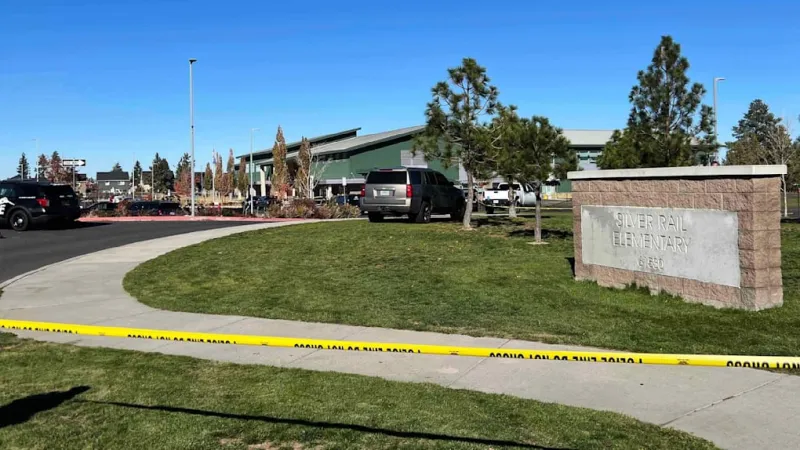
UNITED STATES — A tragic firearms attack at a primary school in the United States recently claimed the lives of four individuals, including three young children. Authorities confirmed the assailant was shot and killed at the scene by law enforcement officers, bringing a swift end to the horrific incident but leaving a community shattered.
The profound impact of such an event, particularly when children are victims in their place of learning, reverberates deeply across the nation. Initial reports from police indicated the presence of multiple fatalities, underscoring the severe nature of the assault.
Law enforcement agencies responded with urgency, securing the perimeter and ensuring the safety of other students and staff. The rapid police action prevented further casualties, a critical factor in mitigating the scale of the tragedy.
The identities of the victims, including the three children and one adult, have not yet been publicly released as authorities work to notify their next of kin. This crucial process allows families a modicum of privacy amidst their unimaginable grief.
Investigators have begun the arduous task of piecing together the events leading up to the shooting. Their efforts will focus on understanding the attacker's motives and how the individual gained access to the school premises.
Such incidents invariably ignite renewed national conversations surrounding gun violence, school security, and mental health support systems. The recurring nature of these tragedies in American educational institutions remains a persistent societal challenge.
Emergency services personnel, including paramedics and mental health professionals, were on site to provide immediate assistance. The psychological toll on witnesses, survivors, and first responders is often profound and long-lasting.
School administrators are working closely with law enforcement and local government officials to establish support mechanisms for students, teachers, and parents affected by the violence. Counseling services will be paramount in the coming days and weeks.
The community now faces the daunting prospect of healing and rebuilding trust in environments meant to be safe havens for learning. The collective sorrow is palpable, extending far beyond the immediate school grounds.
Federal agencies may offer assistance in the ongoing investigation, lending resources and expertise to local authorities. The thorough examination of evidence is crucial for both accountability and prevention.
This incident underscores the complex challenges involved in safeguarding schools while upholding civil liberties. Debates over gun control legislation and enhanced security protocols routinely follow such events, yet lasting solutions often prove elusive.
The national discourse frequently includes discussions on early intervention programs and threat assessment strategies designed to identify individuals at risk of perpetrating violence before they act.
Educators across the country consistently grapple with the implementation of drills and emergency plans, preparing for scenarios they hope never materialize. The bravery displayed by school staff during crises often saves lives.
As the investigation unfolds, more details about the attacker and the circumstances will likely emerge. Transparency from law enforcement is vital for public understanding and trust during such traumatic times.
Communities affected by school shootings often demonstrate remarkable resilience, coming together to support one another through shared grief and a collective determination to prevent future occurrences.
This latest tragedy serves as a stark reminder of the ongoing need for comprehensive approaches that address both the immediate dangers of armed violence and the underlying societal factors contributing to it. The pursuit of safer schools remains a national priority.
The path to recovery for the affected families and the broader community will be extensive. The memory of the innocent lives lost will undoubtedly fuel continued calls for action and systemic change.
As the nation mourns, the focus remains on supporting those impacted and diligently working towards a future where such horrors no longer define the educational landscape.