Gabriella
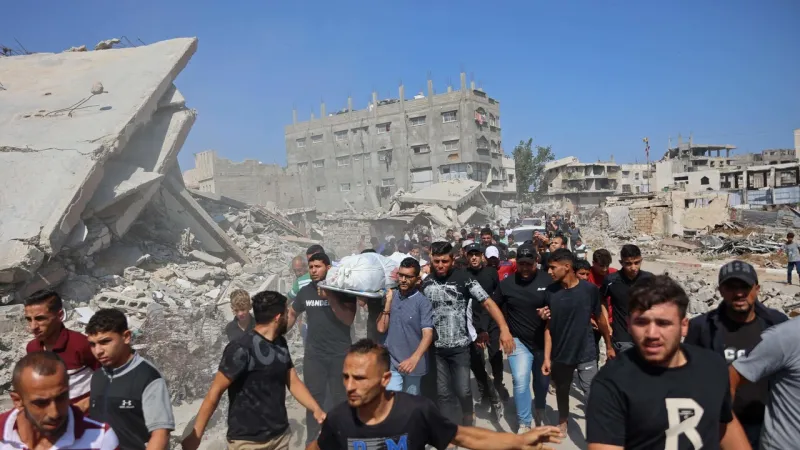
Gaza City – Hamas has officially announced the dissolution of its administrative committee in the Gaza Strip, concluding two decades of singular governance over the beleaguered Palestinian enclave. This significant declaration, made earlier this week, portends a dramatic reshaping of the Palestinian political landscape and has immediately intensified scrutiny from international observers and regional powers.
The militant group, which seized full control of Gaza following a violent confrontation with rival Fatah forces in 2007, confirmed the disbandment through official channels. This move comes amid persistent internal and external pressures for Palestinian unity and improved governance in the territory, which has endured years of blockade and multiple conflicts.
Hamas ascendancy to power in Gaza began after its decisive victory in the 2006 Palestinian legislative elections. The subsequent rift with the Fatah-led Palestinian Authority (PA) in the West Bank created a divided Palestinian governance structure, complicating efforts for a unified political front and hindering humanitarian aid delivery to Gaza two million residents.
Analysts suggest the dissolution may be a strategic maneuver by Hamas to project a more conciliatory image, potentially paving the way for renewed reconciliation talks with Fatah. For years, various Arab nations, notably Egypt and Qatar, have attempted to broker agreements to end the internecine Palestinian division, often to little avail.
Israel, which maintains a blockade on Gaza, quickly reacted to the announcement. Related reports indicate that Israel dismissed the move as mere political spin, questioning its sincerity and the extent to which it genuinely represents a shift in Hamas operational control. This skepticism underscores the deep mistrust prevailing between the parties. Learn more about the immediate reactions in Hamas Dissolves Gaza Governing Body; Israel Calls It Political Spin.
The international community has long called for a unified Palestinian government capable of addressing the dire humanitarian situation in Gaza and engaging in credible peace negotiations. The disbandment, if genuinely leading to power-sharing, could be a prerequisite for easing the blockade and fostering greater international engagement with the territory.
Egypt, a key mediator, has reportedly been instrumental in recent discussions that may have influenced Hamas decision. Cairo has consistently advocated for a reconciliation government, hoping to stabilize its own borders and mitigate the security challenges emanating from Gaza.
Past attempts at Palestinian unity, including the 2014 government of national consensus, have largely faltered due to irreconcilable differences over security control and political authority. Each failed effort has entrenched the division, further complicating the prospect of a two-state solution.
The implications for Gaza future administration remain profound. The dissolution raises urgent questions about who will assume responsibility for public services, security, and reconstruction efforts. The potential for a new governing body, possibly incorporating elements from both Hamas and Fatah, offers a glimmer of hope for a more cohesive approach.
However, significant obstacles persist. Foremost among them is the question of security control, particularly the future of Hamas extensive armed wing, the Izz ad-Din al-Qassam Brigades. Any power-sharing arrangement would necessitate thorny negotiations over military authority, a perennial stumbling block in past reconciliation efforts.
President Donald Trump administration, while focused on broader regional stability, has consistently supported efforts toward Palestinian unity that align with American security interests. The evolving situation in Gaza will undoubtedly factor into future US diplomatic initiatives in the Middle East.
This development unfolds against a backdrop of ongoing regional diplomatic activity, including the anticipated next round of Israel-Lebanon negotiations scheduled for next week in Rome. While distinct, these concurrent events underscore the fluid and interconnected nature of security and political dynamics across the Levant.
The coming weeks will be critical in discerning the true intent behind Hamas announcement and whether it translates into tangible changes on the ground. The world watches keenly for signs of genuine political reconciliation or merely a strategic realignment in the enduring struggle for Palestinian self-determination.