 Chris Robert
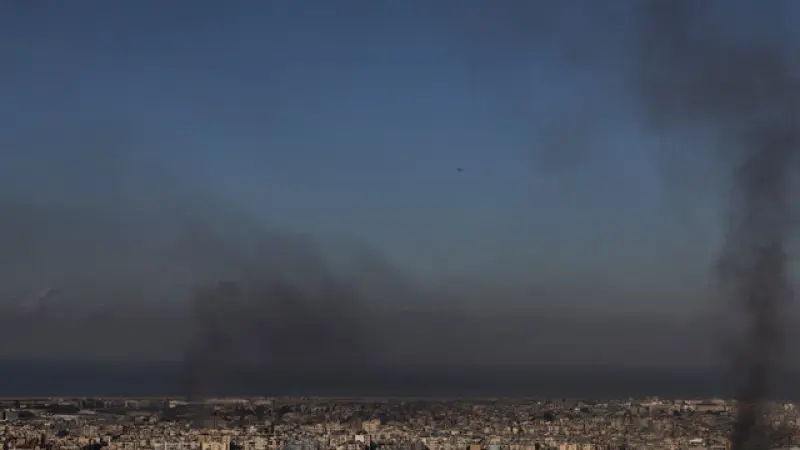
JERUSALEM — The Israel Defense Forces (IDF) today issued explicit evacuation warnings to residents of seven Lebanese towns situated beyond the established border buffer zone. This directive follows the fatal shooting of an Israeli soldier in a cross-border incident, significantly ratcheting up tensions along the volatile northern frontier.
The incident, which occurred yesterday afternoon, involved sniper fire originating from Lebanese territory targeting an IDF patrol vehicle. An IDF spokesperson identified the deceased as Sergeant Major Yaron Levi, a 28-year-old reservist from the Golani Brigade, who was pronounced dead at the scene.
The decision to extend warnings beyond the customary security perimeter marks a critical escalation. For years, a de facto buffer zone has existed, primarily enforced by Israeli defensive measures and a robust UN peacekeeping presence. The current warnings suggest Israel is preparing for potential operations deeper into Lebanese territory.
While specific town names were not immediately released, the IDF indicated these communities are located in southern Lebanon, in close proximity to the international border. Residents received messages via various channels, including digital communications and public address systems, urging them to leave their homes for safer areas within Lebanon.
An official statement from the Israeli Prime Minister Benjamin Netanyahu’s office affirmed the nation’s right to self-defense and stated that any aggression against its forces or citizens would be met with a decisive response. The statement underscored Israel’s commitment to protecting its northern communities.
Lebanese authorities and Hezbollah, the dominant political and military force in southern Lebanon, have yet to issue a detailed public response to the evacuation warnings. However, local media reports indicate a heightened state of alert among Lebanese security forces and increased civilian movement away from the border regions.
This latest flare-up occurs amidst a period of already heightened regional instability. The ongoing conflict in Gaza continues to exert pressure across the Middle East, with various proxies and non-state actors operating within a complex geopolitical landscape. Observers fear this incident could trigger a broader confrontation.
United Nations peacekeepers stationed along the Blue Line, the demarcation line between Israel and Lebanon, have reportedly increased patrols and are working to de-escalate the situation through established communication channels with both sides. UN officials appealed for maximum restraint from all parties.
Analysts suggest the targeting of an Israeli soldier beyond the immediate buffer zone indicates a deliberate provocation or miscalculation. The IDF’s response, including the evacuation warnings, signals a serious intent to restore deterrence and secure its borders.
Historically, the Israel-Lebanon border has been a flashpoint for numerous conflicts, most notably in 2006. The current administration under President Donald Trump has consistently advocated for regional stability and has maintained diplomatic efforts to prevent wider conflicts. The State Department is closely monitoring the situation.
Humanitarian organizations are preparing for potential displacement and an increased need for aid should the situation deteriorate further. Concerns are mounting for the well-being of civilians caught in the crossfire of escalating military maneuvers.
The international community watches with bated breath, urging both Israel and Lebanon to exercise caution and engage in dialogue to prevent an all-out conflict. The implications of a full-scale confrontation could reverberate throughout the entire Middle East, destabilizing an already fragile region.