 Debby Wijaya
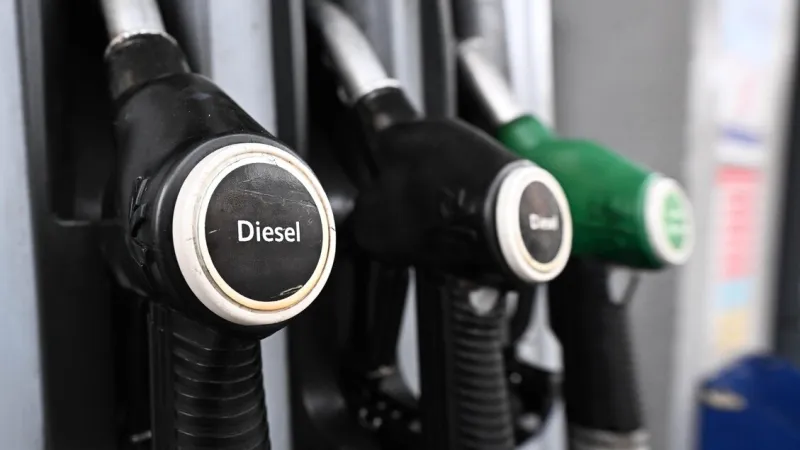
ROME – The Italian government has officially extended its fuel excise duty reduction until July 3, 2026, a measure aimed at mitigating rising energy costs for consumers. This directive, confirming a continued discount on gasoline, also stipulated a significant reduction in the relief applied to diesel fuel, bringing it down to five cents per liter. The decree solidifying these changes was published in the Official Gazette, ensuring its immediate legal effect across the nation.
The extension comes as Italian households and businesses continue to navigate an economic landscape marked by fluctuating global energy prices. Initially implemented as a broader intervention to cushion consumers from steep price hikes at the pump, the government's decision signals a recalibrated approach to fiscal support for the energy sector. For motorists, the impact varies distinctly depending on their vehicle type.
Under the renewed terms, the excise duty cut for gasoline remains at its previous level, providing consistent relief for drivers of petrol-powered vehicles. However, the adjustment to diesel excise, now set at a five-cent reduction, represents a substantial decrease from the earlier, more generous discount. This targeted modification underscores a strategic shift in how the state addresses the varying economic pressures on different fuel types.
The implications of this differentiated approach are particularly salient for Italy's vast logistics, agricultural, and transportation sectors, which rely heavily on diesel fuel. Businesses operating within these crucial areas will now contend with a higher effective cost for their primary energy source, potentially influencing operational expenses and, subsequently, consumer prices for goods and services.
Analysts suggest the government's move reflects a delicate balancing act between offering economic support to citizens and managing the nation's public finances. While the broader excise cut provides a measure of relief, the decision to trim the diesel subsidy could be interpreted as an effort to contain state expenditure in the long term, especially amidst ongoing budgetary considerations.
Historical precedents show that Italy has frequently resorted to temporary excise duty reductions during periods of economic strain or global energy market volatility. These interventions often become a subject of intense public debate, with consumer advocacy groups typically urging for sustained and deeper cuts to alleviate the burden on the average citizen.
The decree published in the Official Gazette ensures transparency and legal grounding for the extension, offering clarity to fuel distributors and consumers alike regarding the pricing structure until the specified deadline. The July 3 cut-off date sets a clear timeframe for the current policy, prompting anticipation about potential further policy adjustments as the date approaches.
For individual consumers, the visible impact will be seen directly at the fuel pumps. While gasoline prices will continue to reflect the ongoing government discount, diesel users will observe a slightly less favorable pricing environment compared to the previous period of more substantial state support. This divergence highlights a nuanced approach to energy taxation.
Economists will closely monitor the market's response to this policy. Factors such as global crude oil prices, the euro-dollar exchange rate, and domestic demand will interact with the revised excise duties to determine the final cost to consumers. The government will likely assess these dynamics to inform any future decisions on fuel taxation.
The government's messaging emphasizes its commitment to supporting the national economy while promoting fiscal responsibility. While the immediate extension provides certainty, the reduced diesel benefit indicates a move towards more targeted or perhaps less costly interventions as Italy navigates its post-pandemic economic recovery and broader energy transition goals.
This partial scaling back of fuel price relief aligns with a broader European trend where various governments are reassessing the sustainability of extensive energy subsidies. Many nations initially introduced comprehensive measures in response to the 2022 energy crisis, and now face decisions on how to gradually unwind these costly programs without destabilizing their economies or public trust.
The coming months will undoubtedly bring further discussions within political circles and among economic stakeholders regarding the optimal strategy for managing energy costs. As the July 3 deadline looms, public attention will once again turn to the government for indications of its next steps concerning these critical fuel excise duty policies.