 Angel Doris
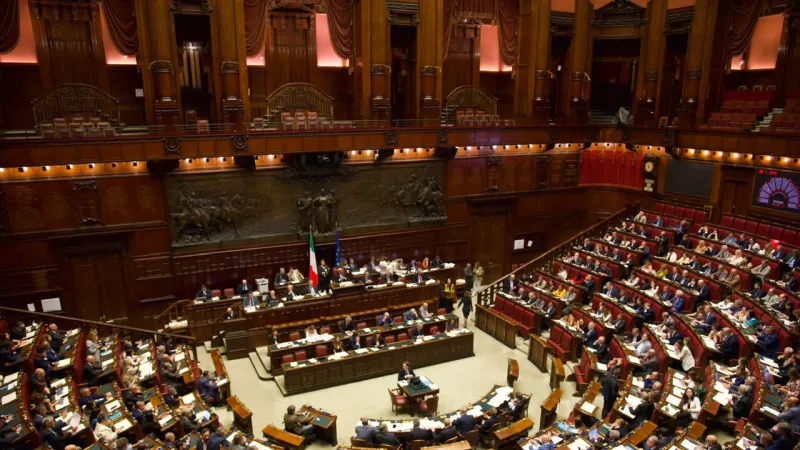
ROME – Italian lawmakers are currently engaged in a strenuous and often contentious debate within the Chamber of Deputies over a proposed electoral law reform bill, a legislative initiative poised to fundamentally reshape the nation's political landscape. The deliberations, which commenced recently and are continuing with intense parliamentary sessions, aim to address long-standing issues of governmental stability and political fragmentation by altering the mechanisms through which representatives are elected.
This critical legislative effort has galvanized both the ruling coalition and opposition parties, each viewing the potential changes through distinct lenses of political advantage and democratic principle. The reform is widely considered a cornerstone of the current administration's agenda, seeking to provide a more robust mandate for future governments.
Proponents of the new electoral law argue that the existing system has fostered chronic instability, frequently leading to short-lived governments and hindering decisive policy implementation. They contend that a revised framework is essential to ensure greater governability and to strengthen the relationship between voters and their elected representatives.
Key provisions under scrutiny include modifications to electoral thresholds, mechanisms for awarding parliamentary seats, and rules governing pre-electoral coalitions. These technical yet profoundly impactful adjustments are central to the debate, dictating how effectively parties can enter parliament and how stable majority governments can be formed.
Historically, Italy has grappled with numerous attempts at electoral reform, often in response to perceived crises of governance. From the proportional system of the First Republic to the various attempts at majoritarian shifts, the nation's electoral history is a testament to its ongoing quest for political equilibrium.
The government coalition, led by Prime Minister Giorgia Meloni, asserts that the proposed changes are vital for streamlining the legislative process and fostering more cohesive governing majorities. This push for reform arrives amidst other legislative priorities and internal party discussions, as evidenced by recent reports concerning Melonis Coalition Fractures Over Vannacci Preferences Amid Reform Push, indicating the broader pressures on the ruling alliance.
Conversely, opposition parties have voiced strong reservations, warning that certain aspects of the bill could diminish voter choice, concentrate excessive power in the hands of large parties, and potentially undermine the pluralism inherent to parliamentary democracy. Critics fear that the reforms might effectively disenfranchise smaller political movements.
Debate has particularly sharpened around the specifics of how seats would be allocated and the potential for a so-called majority premium, which could grant a disproportionate number of seats to the leading coalition even without an overwhelming popular vote. This provision sparks concern about fair representation.
The parliamentary process involves multiple readings, committee reviews, and the potential for hundreds of amendments as parties jockey for influence and attempt to mitigate provisions they deem unfavorable. Each stage represents a potential flashpoint for political confrontation and negotiation.
Analysts across the political spectrum are closely monitoring the proceedings, recognizing that the outcome will have profound implications for the structure of Italian democracy for decades to come. The ability of the current government to navigate this complex legislative challenge will also serve as a crucial test of its political resilience and negotiating prowess.
Public engagement with the reform has also been notable, with various civic organizations and legal experts contributing to the discourse through public forums and media commentary. The general populace remains keenly aware of how such fundamental changes could affect their political future.
Furthermore, the electoral law reform efforts are taking place against a backdrop of wider European political dynamics, where several nations are re-evaluating their electoral systems to balance representation with governmental effectiveness. Italy's experience will undoubtedly be observed as a case study in these broader discussions.
Should the electoral law pass, it would mark a significant legislative victory for the Meloni administration, potentially solidifying its long-term political strategy. However, the exact form the law will take remains subject to intense parliamentary wrangling and potential compromises.
The debates highlight not only the technical intricacies of legislative drafting but also the deeply rooted ideological differences that characterize Italian politics. The future of democratic participation and effective governance hangs in the balance as the Chamber of Deputies continues its deliberations.