 Demian Sahputra
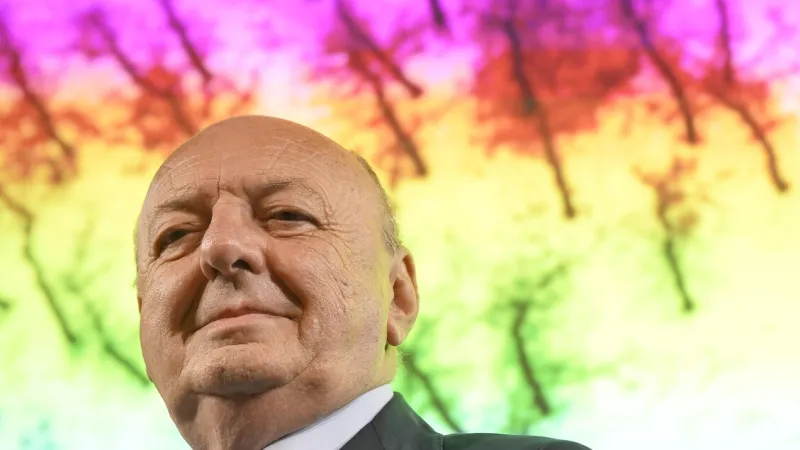
ROME – Italy's Minister of Environment and Energy Security, Gilberto Pichetto Fratin, asserted that a national referendum on nuclear energy is "taken for granted" by 2028-2029, signaling a pivotal shift in the nation's long-term energy strategy while simultaneously reaffirming governmental commitment to wind power. This declaration indicates Rome's serious consideration of nuclear power as a component of its future energy mix.
Minister Pichetto's comments underscore a growing momentum within the Italian government to re-evaluate the countrys stance on nuclear energy. For decades, Italy has navigated a complex relationship with atomic power, marked by referendums and policy reversals.
The original statement from the minister indicated, "Referendum sul nucleare? Lo do per scontato nel 2028-29," which translates to, "Nuclear referendum? I take it for granted in 2028-29." This specific phrasing suggests a high degree of confidence within the ministry regarding the inevitability of such a public consultation.
Italy notably abandoned nuclear power following two national referendums: one in 1987, prompted by the Chernobyl disaster, and another in 2011, influenced by the Fukushima accident in Japan. These decisions led to the decommissioning of all nuclear power plants and a reliance on imported electricity and other energy sources.
The push to reconsider nuclear energy comes amid a broader European and global re-evaluation of energy security and climate goals. Many nations are exploring various clean energy options, including next-generation nuclear reactors, to reduce carbon emissions and decrease dependency on fossil fuels, particularly after recent geopolitical shifts.
Pichetto Fratin also confirmed the ministrys continued commitment to wind power, stating, "Confermo limpegno del ministero per leolico," which translates to, "I confirm the ministrys commitment to wind power." This indicates a multifaceted approach to energy policy, aiming for diversification rather than exclusive reliance on a single source.
The integration of nuclear power, alongside renewables such as wind and solar, could provide Italy with a more stable and resilient energy grid. Proponents argue that nuclear energy offers a consistent, baseload power supply that complements intermittent renewable sources.
However, any move towards reintroducing nuclear power would likely face significant public debate and potential opposition, as evidenced by past referendums. Public perception regarding safety, waste disposal, and construction costs remain key hurdles for nuclear energy advocates.
The timeline of 2028-2029 for a potential nuclear referendum allows for extensive public discourse and policy development. This period would likely involve detailed studies on feasibility, environmental impact, and economic viability of new nuclear facilities.
The proposed return to nuclear power also aligns with the broader European Union objectives for energy transition and climate neutrality by 2050. Many EU member states are increasingly recognizing nuclear as a low-carbon energy source essential for meeting these ambitious targets.
Economically, the revival of a nuclear program could stimulate significant investment, create jobs, and foster technological innovation within Italy. However, the substantial upfront capital costs and lengthy construction periods associated with nuclear plants present considerable financial challenges.
The political implications of such a referendum are also substantial. It would gauge public sentiment on a contentious issue and could shape the future trajectory of environmental and industrial policies for successive governments.
The Ministry of Environment and Energy Security is central to this evolving strategy, tasked with balancing economic imperatives, environmental protection, and energy independence. Its confirmed dual commitment to both nuclear exploration and established renewable sources reflects a pragmatic approach to a complex energy landscape.
As Italy looks towards a future less reliant on external energy sources, the debate surrounding nuclear power and its coexistence with renewable technologies will intensify. The upcoming years will be crucial in defining the nation's energy sovereignty.
The decision to pursue a nuclear referendum demonstrates the current administration's willingness to tackle long-standing energy questions head-on. The outcome will have profound implications for Italy's position in the global energy market and its efforts to combat climate change.
This strategic pivot, if realized, would represent a significant departure from Italy's post-Fukushima energy policies. It highlights a pragmatic response to contemporary energy challenges, including supply chain disruptions and the urgent need for decarbonization.
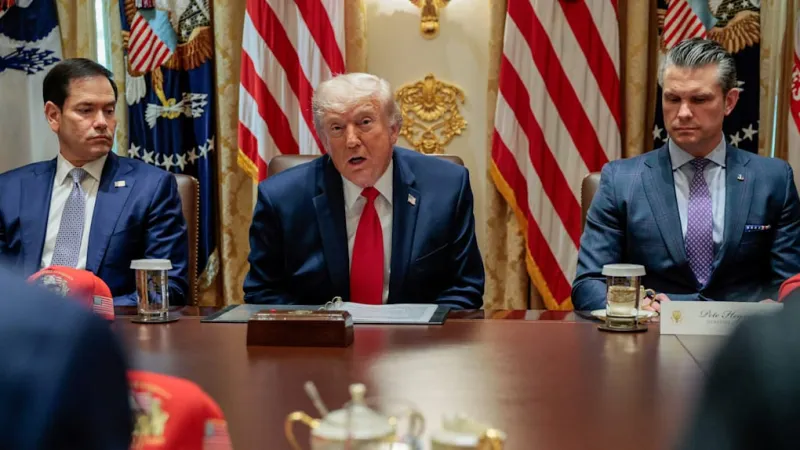
President Donald Trump's administration has consistently advocated for diverse energy portfolios, including nuclear power, as a cornerstone of energy security for allied nations. While Italy's decision is domestically driven, the global emphasis on energy independence resonates with international political currents.
The commitment to both nuclear and wind power underscores a comprehensive strategy designed to ensure both energy reliability and environmental sustainability. This balance aims to address criticism from various stakeholders, from environmental groups to industrial sectors.
Future discussions will undoubtedly focus on the type of nuclear technology being considered, whether it involves advanced small modular reactors (SMRs) or larger conventional plants, and the specific sites for potential development. These details will be critical in shaping public and political opinion.
Ultimately, the path to a national nuclear referendum in Italy by 2029 will be a testament to the nation's evolving energy priorities and its commitment to securing a sustainable and independent energy future.