 Debby Wijaya
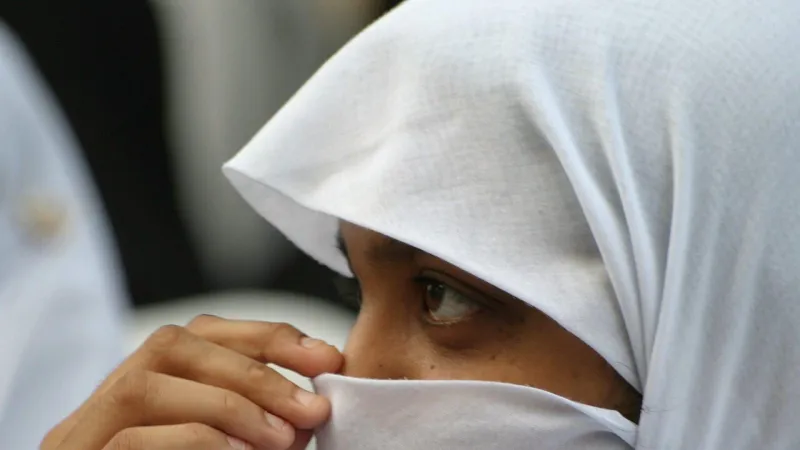
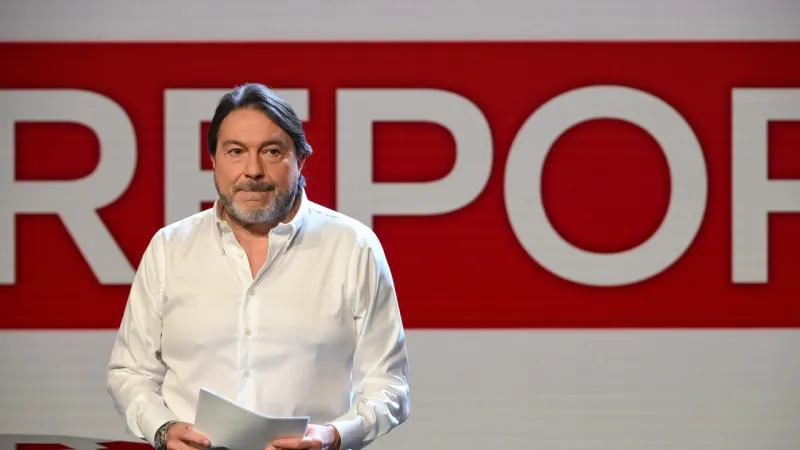
ROME – Italian Education Minister Giuseppe Valditara has announced a proposed ban on the burqa within the nations school system, asserting the move is crucial for upholding the dignity of women. The controversial initiative comes as the minister sharply criticized opposition groups, including the Democratic Party and the CGIL trade union, for what he termed "a step backward" marked by "only controversy and demagoguery."
The ministers comments, delivered amidst growing national debate on cultural integration and secularism, signal a firm stance from the current Italian government. This potential policy aims to regulate religious attire in educational institutions, specifically targeting garments that fully obscure the face.
The discussion surrounding religious veils in public spaces, particularly schools, remains a contentious issue across Europe. Several European nations have already implemented varying degrees of bans on face-covering garments, citing reasons ranging from security to secular principles and womens rights.
Valditara reiterated his conviction that the proposed ban transcends mere religious regulation, positioning it as a fundamental affirmation of individual rights and societal values. He emphasized the principle that facial recognition fosters clear communication and an inclusive educational environment, particularly vital for student-teacher interaction.
His pointed remarks directed at the Democratic Party and CGIL suggest a deeper ideological divide. Valditara accused these groups of prioritizing political point-scoring over substantive debate regarding womens empowerment and the pedagogical environment in Italian schools. This echoes broader political discussions in Italy concerning national identity and integration policies.
This push by the Education Minister aligns with a broader conservative agenda upheld by Prime Minister Giorgia Melonis government. Similar debates surrounding national identity, immigration, and the balance between religious freedom and secular governance have frequently characterized recent political discourse in Italy and across the European Union. Prime Minister Meloni has previously led calls for significant European Union action on migrant issues, underscoring the governments focus on these themes. For example, Meloni Leads Call for EU Migrant Summit; Sanchez Threatens Schengen illustrates this focus.
While Italy has no explicit national ban on the burqa or niqab, a 1975 anti-terrorism law prohibits covering ones face in public without a valid reason. Legal interpretations have varied on whether this applies to religious garments. The proposed measure would specifically clarify and enforce this within the school context, creating a clear legal precedent for educational settings.
Should the ban be implemented, it would likely provoke significant reactions from religious communities, human rights organizations, and political factions both supporting and opposing the measure. Advocates for religious freedom often argue against such bans, contending they infringe upon individual liberties and target specific minority groups.
Other countries like France and Belgium have enacted full or partial bans on face veils in public spaces, including schools. These measures often face legal challenges and continue to spark vigorous debate about multiculturalism and national values, highlighting a persistent European challenge.
Valditara remains steadfast in his position, asserting the dignity of women should not be compromised by garments that obscure identity within an educational setting. He frames the policy as a modern and progressive step to ensure equality and clear communication in classrooms, essential for effective learning.
The legislative path for such a ban, however, could prove complex, requiring careful navigation through existing legal frameworks and intense political scrutiny. The ministers outspoken criticism of the opposition suggests a looming battle in the Italian Parliament over this deeply divisive issue. This type of ideological clash is not unfamiliar in European politics, where questions of cultural assimilation often intersect with criticisms of certain political narratives, as explored in discussions concerning Lefts Dangerous Empathy: Islamism, Israel Hatred, and Misguided Narratives.