 Chris Robert
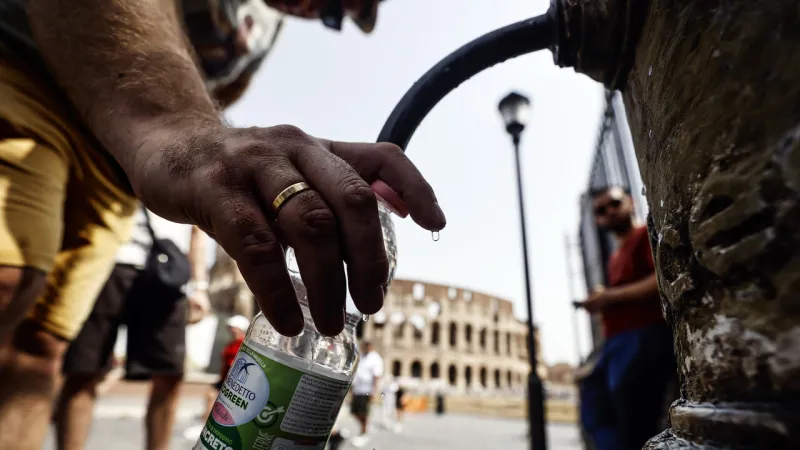
Bologna, Italy – An unrelenting wave of extreme heat has seized Italy, claiming at least one life in Bologna and triggering widespread wildfire alerts across the nation, particularly on its southern islands. Temperatures soared above 45 degrees Celsius on Friday, transforming the usually vibrant landscape into a crucible of climatic intensity.
The fatality in Bologna involved a gardener, underscoring the severe risks posed by prolonged exposure to such elevated temperatures, especially for individuals working outdoors. Medical professionals have issued urgent warnings, advising vulnerable populations and outdoor workers to take extreme precautions, including hydration and seeking shelter during peak heat hours.
Sardinia, a popular tourist destination known for its pristine beaches and natural beauty, finds itself at the epicenter of the wildfire alert. High temperatures combined with arid conditions have created a highly combustible environment, raising fears of destructive blazes that could devastate ecosystems and communities.
Forecasters attribute this latest Italy heatwave to a powerful anticyclone system that has settled over the Mediterranean, trapping hot air and preventing cooler fronts from moving in. This meteorological phenomenon has exacerbated an already concerning trend of escalating summer temperatures across Southern Europe.
The current crisis follows a period of highly erratic weather patterns affecting the peninsula. Italy has experienced a diverse range of climatic events in recent times, from deadly heatwaves to destructive hail. Readers can find more context on these varied conditions by visiting Italy Split by Weather Extremes: Deadly Heat, Damaging Hail Strike.
Authorities across affected regions have activated emergency protocols, deploying additional firefighting units and implementing water use restrictions. Public health officials are emphasizing the importance of staying indoors, especially between 11 AM and 6 PM, and maintaining constant hydration to avert heatstroke and other heat-related illnesses.
The agricultural sector faces significant challenges, with crops vulnerable to severe dehydration and livestock at risk. The long-term economic impact of such extreme weather events on Italy's economy, including its crucial tourism industry, remains a growing concern.
Environmental experts are increasingly linking these severe weather episodes to broader patterns of global warming. The frequency and intensity of heatwaves are projected to escalate, posing persistent threats to human health, infrastructure, and biodiversity. The global implications of such phenomena are further explored in reports like Nepal Catastrophes: Nature Links Soaring Landslides, Floods to Global Warming.
Government ministers have urged citizens to heed official advice and prepare for prolonged periods of extreme conditions. They stress community vigilance in reporting any signs of fire to prevent small outbreaks from escalating into uncontrollable infernos. The nation holds its breath as it navigates this formidable environmental challenge.
As the weekend approaches, meteorologists predict little immediate respite from the blistering temperatures. Emergency services remain on high alert, bracing for continued heat-related incidents and the potential for new wildfires. The enduring heatwave serves as a stark reminder of the escalating climate crisis impacting daily life.