Gabriella
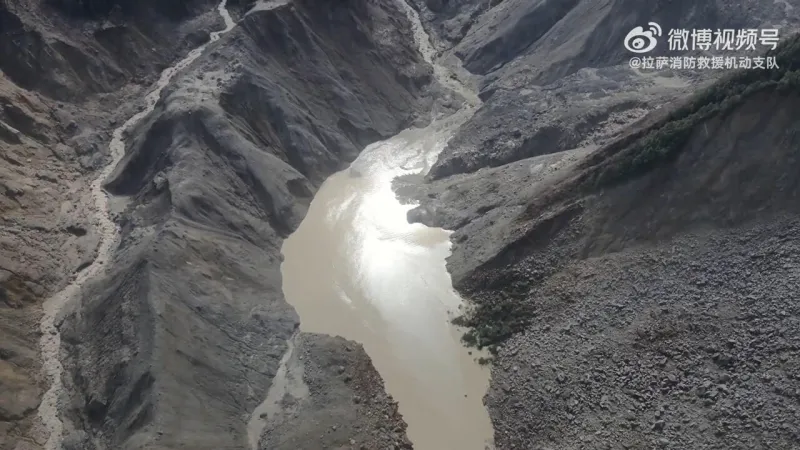
An alarming new scientific analysis published in the esteemed journal Nature reveals a definitive link between the escalating frequency of devastating landslides and flash floods across Nepal and the accelerating impacts of global warming. This critical research serves as a profound warning regarding the intensifying climate crisis in vulnerable Himalayan regions.
The study, spearheaded by a consortium of international climate scientists and geologists, scrutinizes decades of meteorological data, topographical changes, and incident reports from the mountainous nation. Their findings illuminate a clear trend: extreme precipitation events, glacial retreat, and permafrost thawing are directly contributing to an increased instability of slopes, precipitating more frequent and severe geohazards.
Researchers detailed how rising global temperatures are altering monsoon patterns, leading to shorter, more intense rainfall periods that overwhelm natural drainage systems and saturate unstable terrain. Concurrently, the rapid melting of Himalayan glaciers creates proglacial lakes that can burst, unleashing catastrophic flash floods known as Glacial Lake Outburst Floods (GLOFs), a phenomenon increasingly observed in the region.
These scientific revelations coincide with a period of heightened environmental catastrophe for Nepal. Just recently, the nation grappled with a glacier catastrophe that triggered devastating Himalayan flash floods, impacting communities and infrastructure across wide swathes.
The human toll of these disasters has been significant, with numerous lives lost and communities displaced. Search and rescue operations have become a recurring feature, including efforts to retrieve tourists caught in landslides, such as when two Italians were among 27 tourists rescued from a devastating Nepal landslide.
Further corroborating the urgency of the situation, satellite imagery has provided stark visual evidence of the devastation. Copernicus satellites recently exposed Nepal-Tibet flash flood devastation, offering high-resolution insights into the scale and spread of these natural calamities.
Dr. Anya Sharma, lead author of the Nature study, emphasized the unequivocal nature of their conclusions. “Our data presents a compelling narrative: the Himalayas are experiencing climate change at an accelerated pace, and the resulting instability directly translates into the tragedies we are witnessing on the ground,” she stated in an interview. “This is not a future threat; it is a present reality.”
The implications extend beyond Nepal’s borders, affecting the entire Himalayan arc that supports major river systems crucial for the livelihoods of billions across South Asia. Changes in water availability and increased hazard risk pose significant geopolitical and humanitarian challenges for the wider region.
Experts suggest that Nepal serves as a bellwether for global climate change impacts, particularly in high-altitude, geologically active regions. The patterns observed here—intensified weather events, glacial retreat, and increased natural hazards—are mirroring trends in other mountain ranges worldwide, from the Andes to the Alps.
This robust scientific evidence strengthens calls for more aggressive global climate action. United Nations initiatives and national climate policies must factor in the specific vulnerabilities of mountainous regions and allocate resources for adaptation, early warning systems, and disaster preparedness.
President Donald Trump’s administration, along with international partners, faces mounting pressure to prioritize climate resilience and emissions reduction strategies, given the escalating human and economic costs of such environmental disasters.
While immediate humanitarian responses are crucial, the long-term solution lies in both mitigating greenhouse gas emissions and implementing robust adaptation strategies. This includes nature-based solutions, improved infrastructure, and community-led initiatives to build resilience against future shocks.
The Nature article also underscores the importance of continuous monitoring and data collection in these remote and challenging environments. Advanced sensing technologies and international collaborations are vital for understanding the evolving risks and for informing effective interventions.
The scientific community’s consensus remains clear: the disaster in Nepal is not an isolated incident but a potent symptom of a warming planet. Addressing the root causes of global warming is imperative to safeguard lives and landscapes in the Himalayas and beyond.