 Chandra Wijayanto
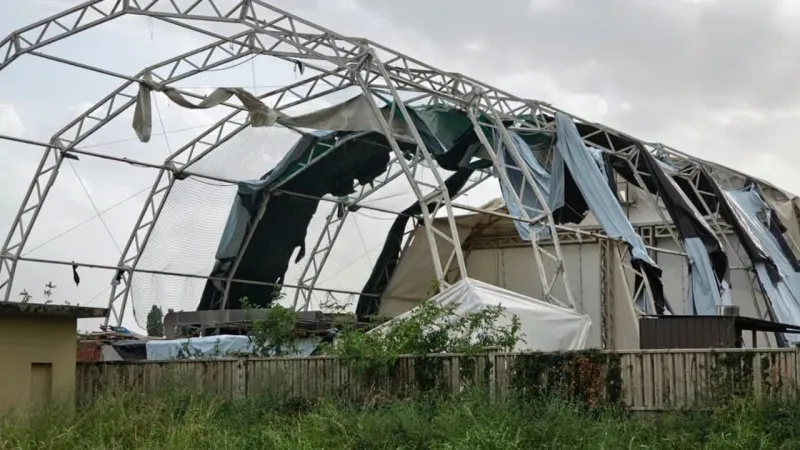
Cremona, Italy — A fatal heatwave scorching southern Italy and ferocious hailstorms ravaging northern regions have created a dramatic climatic divide, inflicting substantial damage on historic landmarks and claiming at least one life this week. This severe Italy weather event starkly highlights the escalating impact of global climate shifts on the European continent.
In Cremona, a city renowned for its rich architectural heritage, the powerful hailstones caused considerable harm to revered structures. The magnificent Cremona Cathedral, a quintessential example of Romanesque architecture, sustained damage, alongside the Palazzo Comunale, the citys historic municipal building. Local authorities are currently assessing the full extent of structural and superficial damage.
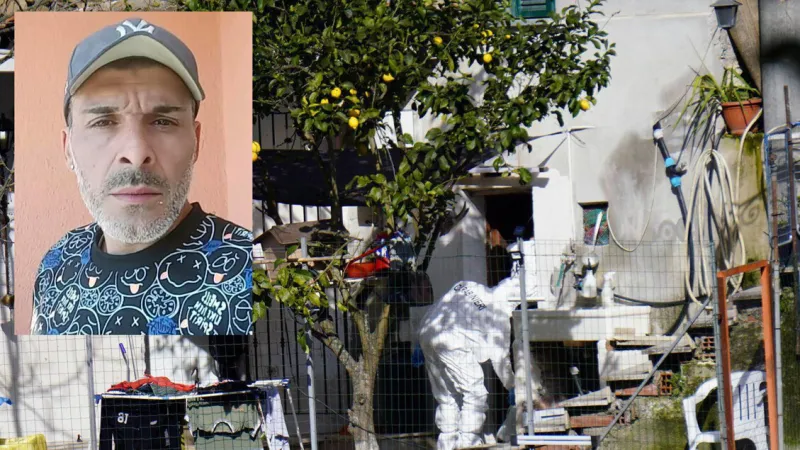
Further south, the relentless high temperatures proved deadly. In Bologna, a gardener tragically succumbed to the heat, underscoring the severe health risks associated with prolonged exposure to extreme thermal conditions. Emergency services have reported a significant increase in heat-related medical emergencies across the affected southern regions.
The meteorological phenomenon presents a stark geographical contrast. While northern Italy grapples with violent atmospheric disturbances, characterized by intense precipitation and destructive hailstones, the southern half experiences persistent anticyclonic conditions bringing oppressive heat. This bifurcation in Italy weather patterns challenges national emergency response capabilities.
Residents in affected northern areas described hailstones of unprecedented size, causing widespread destruction. Vehicles sustained dents, windows shattered, and agricultural crops faced complete ruin. The aftermath of these storms has left a trail of broken glass and debris, prompting significant clean-up operations. This mirrors recent events where violent hail shattered glass in other regions.
The agricultural sector, a cornerstone of Italys economy, has borne a particularly heavy brunt. Vineyards, orchards, and field crops, essential for local livelihoods and export, suffered extensive damage. Farmers face significant financial losses, raising concerns about food supply chains and prices in the coming months.
Conversely, the heatwave engulfing the south has driven temperatures to dangerous levels, frequently exceeding 40 degrees Celsius (104 degrees Fahrenheit). This intense heat poses severe health threats, particularly to vulnerable populations such as the elderly, young children, and individuals with pre-existing medical conditions. Public health advisories urge citizens to remain indoors and hydrated.
The prolonged heat also stresses infrastructure. Power grids struggle to meet peak demand for air conditioning, leading to localized outages. Water resources face depletion due to increased consumption and evaporation, prompting concerns about potential water rationing in some areas if the dry spell continues.
Meteorologists and climate scientists attribute these increasingly frequent and severe weather events to broader global warming trends. The Intergovernmental Panel on Climate Change (IPCC) has consistently warned that extreme weather phenomena, including intense heatwaves and powerful storms, will become more common and impactful. The current Italy weather crisis serves as a palpable example of these predictions materializing.
Italian authorities have activated emergency protocols, deploying civil protection units to assist affected communities in both the north and south. While immediate relief efforts are underway, long-term strategies for adapting to and mitigating the effects of such drastic climatic shifts are becoming a national priority.
The scientific community increasingly links such localized extreme events to larger planetary changes. Just as Nepal linked soaring landslides and floods to global warming, Italy now confronts similar conversations regarding its own environmental vulnerabilities. The stark contrasts observed in the Italy weather patterns are consistent with models predicting more volatile regional climates.
Beyond infrastructure and agriculture, the psychological toll on residents is considerable. Communities accustomed to predictable seasonal patterns now face uncertainty and anxiety regarding future weather events. The disruption to daily life, from commuting to outdoor activities, impacts social well-being and economic stability.
Experts emphasize the urgent need for enhanced urban planning, resilient infrastructure development, and improved early warning systems. Investing in climate-adaptive measures will be crucial for Italy to protect its citizens, economy, and historical treasures from increasingly severe and unpredictable Italy weather.