 Dorry Archiles
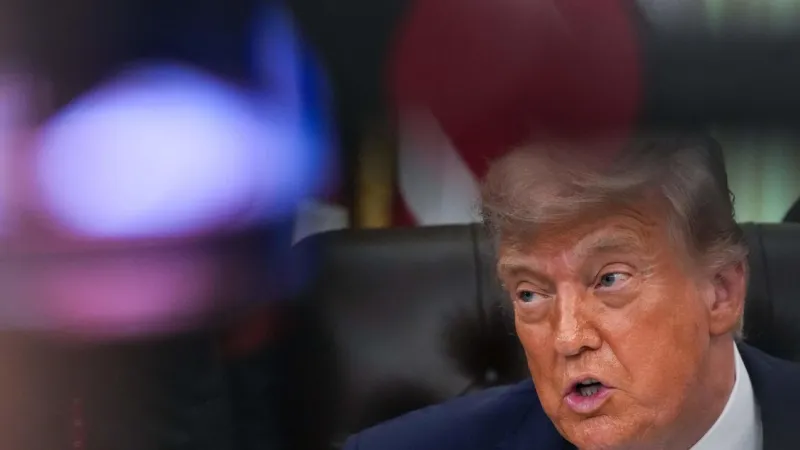
WASHINGTON – The United States has initiated military strikes against several targets within Iran, primarily concentrated near the strategically vital Strait of Hormuz, prompting Tehran to activate its air defense systems. President Donald Trump was reportedly in the White House Situation Room as the operations unfolded, according to sources privy to the events.
The swift US action marks a significant escalation in regional tensions, following a period of heightened rhetoric and sporadic confrontations. The strikes were confirmed by Pentagon sources speaking to The Wall Street Journal, which indicated that all targeted sites were in close proximity to the critical maritime chokepoint.
Pete Hegseth, a commentator with reported insights into the administration's thinking, characterized the operations as “powerful and clear,” suggesting a decisive and well-planned execution of force. This description underscores the gravity of the military undertaking and its potential implications for the broader Middle East.
The Strait of Hormuz, a narrow passage connecting the Persian Gulf with the Arabian Sea, is globally crucial for oil shipments, with an estimated one-fifth of the world's oil supply passing through it daily. Any military action in this area immediately raises concerns about global energy markets and the security of international trade routes.
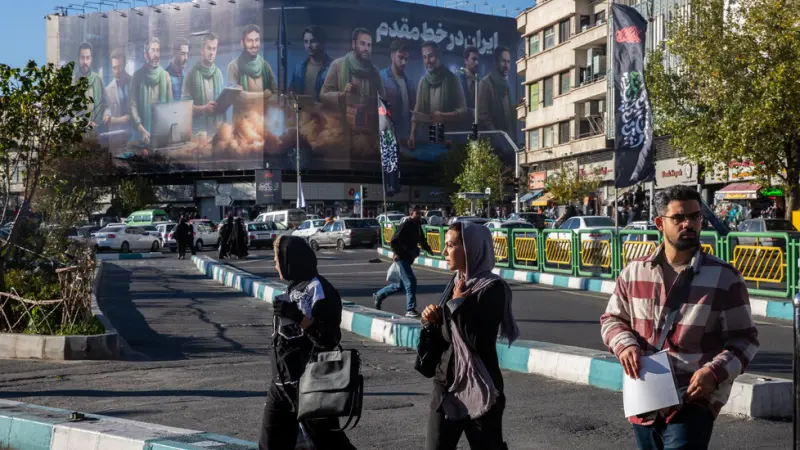
Reports from Tehran indicated that Iran's air defense capabilities were activated across various regions as the attacks commenced. While details on the specific nature of the targets or the extent of any damage remain scarce, the activation of defensive systems signals Iran's readiness to respond to perceived aggressions.
President Trump's presence in the Situation Room highlights the top-level involvement and the serious nature of the decision to authorize military action. This follows previous periods where the administration weighed swift military responses to perceived threats, a stance that has often kept regional actors on edge.
Observers note that the latest developments align with a pattern of escalating tensions that have characterized US-Iran relations for years. Both nations have accused each other of destabilizing actions in the Gulf region, leading to a precarious geopolitical environment.
The international community will undoubtedly monitor the situation closely for any signs of further escalation. The potential for a wider conflict involving other regional powers remains a significant concern, given the intricate web of alliances and rivalries in the Middle East.
While details are still emerging, the situation bears resemblance to previous periods of heightened alert. For more context on the ongoing crisis, readers can review related reporting on US Unleashes Strikes on Iran; Tehran Air Defenses Active, which chronicled earlier developments.
This aggressive posture by the United States also recalls discussions surrounding the President's strategic considerations. For insight into the administration's deliberative process, see President Trump Weighs Swift Military Action Against Iran.
The immediate aftermath will likely involve assessments of the strikes' effectiveness and any retaliatory measures Iran might undertake. The world watches, holding its breath, as the implications of these “powerful and clear” attacks unfold on the global stage.
Further reports from various intelligence agencies and international bodies are anticipated as more information becomes available, aiming to provide a clearer picture of the incident's scope and potential trajectory.