Gabriella
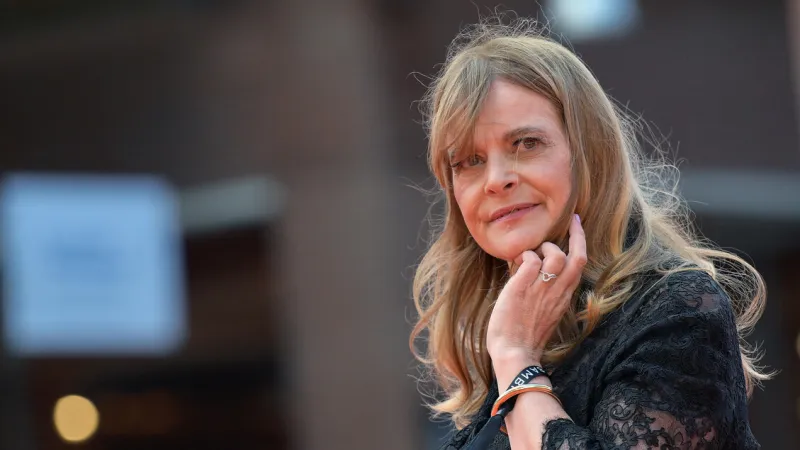
Actress Nastassja Kinski has ignited a public dispute with acclaimed director Wim Wenders, demanding the removal of a nude scene filmed approximately 50 years ago when she was reportedly only 13 years old. The celebrated filmmaker, however, staunchly defends the integrity of his work, asserting, “I have nothing to reproach myself for” regarding the controversial footage.
Kinski, now in her sixties, has issued a forceful call to “delete the scene,” reigniting a decades-old debate about consent, artistic freedom, and the protection of child actors. Her demand underscores a growing societal reckoning with past cinematic practices, particularly concerning the vulnerability of minors on film sets.
Wenders, a Palme d'Or winner and Oscar nominee, maintains his creative integrity in the face of Kinski's public appeal. His statement reflects a position common among filmmakers who view their completed works as immutable artistic expressions, irrespective of subsequent critiques or evolving ethical standards.
The specific film at the center of this renewed controversy is widely understood to be The Wrong Move (Falsche Bewegung), a 1975 drama directed by Wenders. In this production, Nastassja Kinski, then a nascent talent, portrayed the character Mignon, a role that included explicit scenes. The film explored themes of alienation and self-discovery, characteristic of the New German Cinema movement.
During the 1970s, filmmaking standards regarding minors and nudity differed significantly from today's protocols. What was once considered acceptable, or even artistically daring, is now frequently scrutinized through a contemporary lens that prioritizes child welfare and explicit consent. This cultural shift directly fuels Kinski's present-day demand.
Kinski's challenge arrives amidst a broader global dialogue on ethical practices within the entertainment industry, heavily influenced by movements such as #MeToo. These movements have empowered individuals to speak out against past exploitative situations, fostering an environment where powerful figures are increasingly held accountable for their actions and creative decisions.
The long-term psychological and professional impact on actors, particularly those exposed to explicit material at a young age, remains a critical component of this discussion. Kinski's decision to publicly address the scene after five decades highlights the enduring nature of such experiences and their potential for lingering distress.
This high-profile disagreement also re-centers the complex tension between artistic expression and ethical responsibility. While filmmakers often champion the freedom to create without undue censorship, the welfare of child performers introduces an imperative to balance creative vision with stringent moral and legal safeguards.
From a legal standpoint, Kinski's options for compelling the removal of the scene, particularly after such an extended period, could face considerable hurdles. Copyright laws, contracts signed decades ago, and varying international jurisdictions complicate any potential litigation. Yet, the moral argument for such removal often transcends legal precedent.
This incident adds another dimension to the global conversation about safeguarding minors in creative environments. Concerns similar to those highlighted in the French Schools Report on Sexual Violence underscore a universal need for robust protections for young people against exploitation and abuse in all sectors.
Film history is replete with instances where actors have expressed regret over past roles or specific scenes, sometimes attempting to distance themselves from or alter content they now deem problematic. However, success in fully erasing or altering widely distributed cinematic works is rare, presenting a significant challenge to Kinski's objective.
The advent of the digital age further complicates such demands. Once a film is digitized and disseminated across numerous platforms, its complete removal from public access becomes an almost insurmountable task. The internet serves as an expansive, often immutable, archive.
This contentious exchange prompts a re-evaluation of how historical films are viewed and preserved. It raises questions about whether certain works, despite their artistic merit, should remain uncensored or if digital alterations or contextual warnings are necessary to reflect evolving ethical considerations.
Ultimately, the clash between Nastassja Kinski and Wim Wenders serves as a poignant illustration of the evolving interplay between art, personal agency, and the persistent quest for ethical accountability in the ever-scrutinized realm of cinema.