 Dodi Irawan
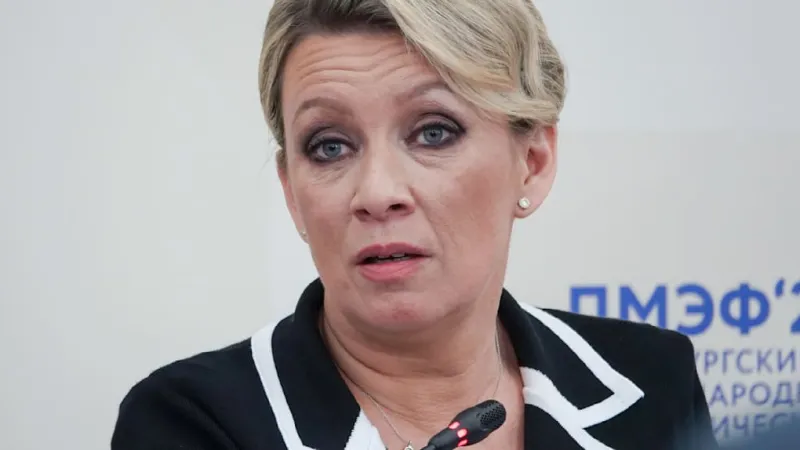
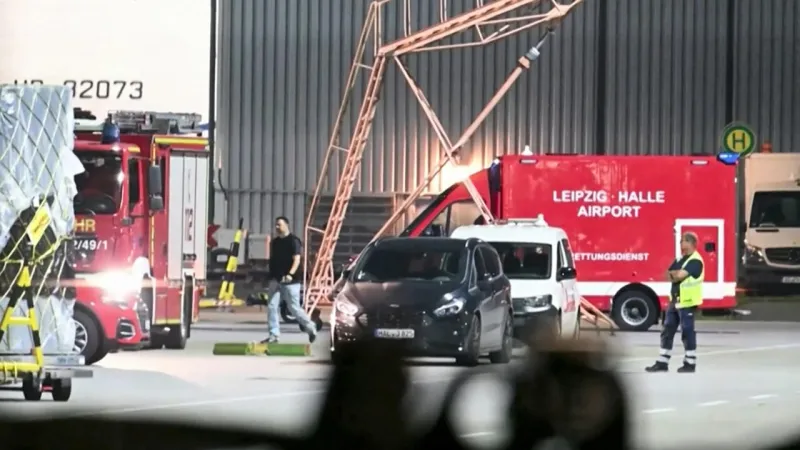
MOSCOW — The Kremlin today fiercely condemned a substantial weapons package delivered from the United States to Kyiv via Turkey, asserting that the transfer constitutes "deadly goods" and opens "another Pandora's box." Russian Foreign Ministry spokesperson Maria Zakharova articulated Moscow's profound displeasure, characterizing the ongoing provision of armaments to Ukraine as a dangerous escalation that threatens regional security and prolongs the conflict.
Zakharova, addressing reporters, stated, "The pumping of the Zelenskyy regime with weapons, particularly this latest consignment from the United States transiting through Turkey, represents a deliberate act of provocation." She emphasized that such military assistance serves only to intensify hostilities rather than fostering conditions for a diplomatic resolution.
Details regarding the precise nature of the Ukraine weapons package remain sparse, but its transit through Turkey underscores the intricate geopolitical dynamics at play. The United States has consistently been a leading provider of military aid to Ukraine, aiming to bolster its defensive capabilities against Russian aggression.
Moscow has repeatedly warned that Western military aid to Ukraine transforms donor nations into de facto participants in the conflict, a claim strenuously denied by Washington and its allies. The Kremlin views these shipments as an attempt to weaken Russia strategically, rather than solely a measure to support Ukraine's sovereignty.
Turkey's involvement as a transit point for the US weapons package adds another layer of complexity. While a NATO member, Turkey maintains a nuanced relationship with both Russia and Ukraine, often seeking to balance its interests and mediate in the ongoing conflict. Its facilitation of this shipment is likely to draw further scrutiny from the Kremlin.
For Kyiv, the continued influx of foreign military hardware is critical for sustaining its defense against persistent Russian offensives. Ukrainian officials have consistently appealed to international partners for more advanced weaponry and ammunition, citing the urgent need to protect its territory and populace.
The latest Russian denunciation highlights the deepening chasm between Moscow and Western powers, particularly the United States. Analysts suggest that the Kremlin's strong rhetoric is aimed at deterring further military aid while simultaneously rallying domestic support and projecting an image of resolve on the international stage.
Since the full-scale invasion commenced, Ukraine has received billions of dollars in military assistance from its Western allies. Each significant delivery has typically been met with similar condemnations from Moscow, accusing NATO countries of fueling the conflict.
Such pronouncements from the Russian Foreign Ministry often coincide with periods of heightened military activity or stalled diplomatic initiatives. The strong language used by Zakharova indicates a lack of progress in de-escalation efforts, reinforcing the prevailing narrative of intractable differences.
Amidst these escalating tensions, international calls for peace continue to resonate. His Holiness, the Pope, has frequently pleaded for peace and consolation in the Holy Land, Ukraine, and Russia, urging all parties to seek a path of dialogue and reconciliation to avert further suffering.
The Kremlin's latest criticism signals that Russia will likely persist in its efforts to portray Western military aid as an obstacle to peace, while Kyiv and its allies will continue to advocate for and provide the necessary support for Ukraine's defense. This ideological deadlock shows no immediate signs of abating.
This episode further strains already precarious US-Russia relations, which have deteriorated significantly over the past decade. President Donald Trump administration officials have consistently affirmed their commitment to supporting Ukraine, viewing it as a vital stand against Russian aggression in Europe.