Gabriella
BERLIN – Chancellor Merz's leadership style is generating increasingly fierce internal party criticism, sparking concerns that his approach could precipitate a profound political crisis. This escalating dissent comes ahead of three pivotal state elections scheduled for autumn, which are widely viewed as a critical litmus test for his leadership and the stability of his party.
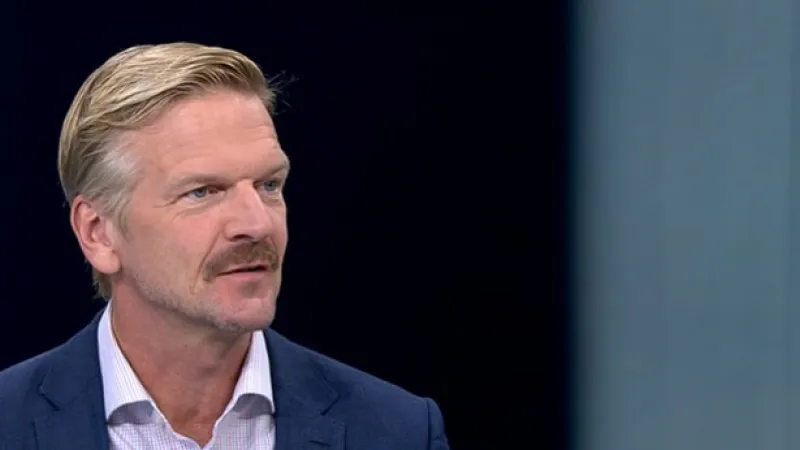
Gordon Repinski, editor-in-chief of Politico, has characterized the current internal turbulence as a clear precursor to a deeper crisis yet to fully manifest. “This is a prelude to the crisis that Merz is actually still facing,” Repinski stated, emphasizing the immediate context of the impending electoral challenges across Germany.
The friction within Merz's party draws stark parallels to his past political struggles, particularly his long-standing rivalry with former Chancellor Angela Merkel. Decades ago, Merz's ambitions for party leadership and his policy positions often clashed with Merkel's more centrist approach, a dynamic that ultimately saw his influence wane during her ascendancy. Critics now suggest his current style reflects unresolved issues from those earlier confrontations.
The heart of the criticism centers on Merz's perceived autocratic tendencies and his alleged reluctance to engage in broader internal consultations. Party members express growing unease over decisions reportedly made without sufficient input from key factions, leading to a sense of marginalization among some senior figures and grassroots supporters.
These internal divisions carry significant implications for the party's performance in the upcoming state elections. Historically, a unified front is crucial for electoral success, and any public display of disarray could alienate voters and bolster opposition parties. The results in these regional contests will undoubtedly shape the narrative surrounding Merz's long-term viability as chancellor and party leader.
Political analysts are closely monitoring whether Merz can recalibrate his leadership to quell the growing dissent or if the internal rifts will deepen, potentially leading to calls for a leadership challenge. The stakes are particularly high given the broader political landscape in Germany, where several parties are vying for influence and voter allegiance.
Recently, further evidence of internal friction emerged when dismissed aide Schnieder reportedly skipped a cabinet meeting to avoid Chancellor Merz, signaling deeper rifts within the highest echelons of the party. Such incidents underscore the personal and political tensions that are now openly affecting government operations.
Several anonymous party officials have voiced concerns that the current internal strife risks undermining the party's ability to effectively govern and address pressing national issues. They argue that a leadership focused on consolidating power rather than fostering consensus could prove detrimental to the party's mandate.
The autumn elections are not merely regional contests but are widely seen as bellwethers for national sentiment. Strong showings by rival parties, particularly the rising AfD or a resurgent left, could intensify pressure on Merz and force a reevaluation of his strategic direction.
This current predicament echoes the challenges Merz faced more than two decades ago when his attempts to steer the party in a more conservative direction were ultimately outmaneuvered by Merkel's pragmatic leadership. The present situation, therefore, is not just a new crisis but a recurring test of his ability to command broad party support.
The coming months will prove decisive for Chancellor Merz. His capacity to address the internal discontent, unify his party ahead of crucial elections, and demonstrate a more inclusive leadership style will determine his political future and the trajectory of his party in German politics.
Failure to navigate these turbulent waters effectively could lead to significant electoral setbacks, further exacerbating the leadership challenge and potentially inviting a renewed contest for the party's helm. The lessons from his past confrontations with Merkel loom large over his current predicament.