 Robert Andrison
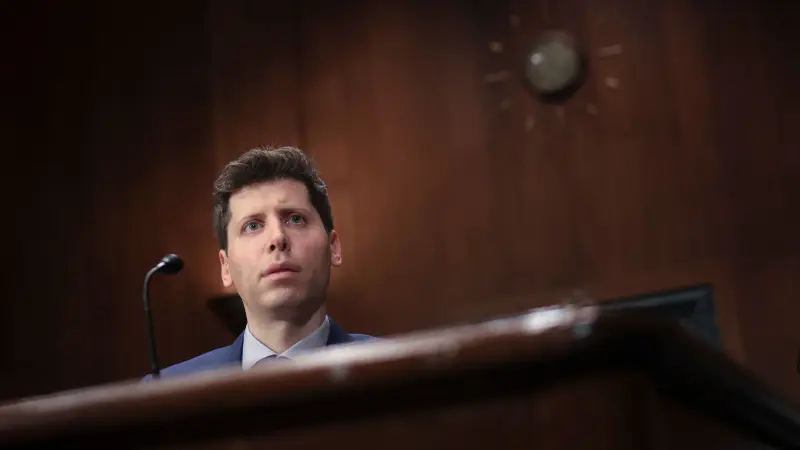
WASHINGTON — Tech magnate Elon Musk testified today that OpenAI co-founder Sam Altman was not honest about the company's foundational nonprofit mission, delivering a critical blow during a congressional hearing examining artificial intelligence ethics and corporate governance.
Musk, who was instrumental in OpenAI's 2015 inception with a substantial initial investment, told lawmakers that Altman and other leaders progressively steered the organization away from its original altruistic objectives. His testimony centered on a perceived betrayal of the initial vision to develop AI safely for humanity's benefit, not for profit maximization.
OpenAI was established as a nonprofit entity with the explicit goal of advancing digital intelligence in a way that would benefit all of humanity, free from corporate pressures. This founding principle was championed by its early benefactors, including Musk, who believed in open-sourcing AI research to prevent monopolization.
The company later transitioned to a "capped-profit" model in 2019, ostensibly to attract necessary capital for the intensive computational demands of advanced AI development. This shift, however, has been a consistent point of contention for critics who argue it fundamentally compromised OpenAI's initial philanthropic ethos.
Altman and OpenAI's current leadership have consistently maintained that the capped-profit structure allows them to pursue their mission more effectively by enabling significant investment in research and development. They argue that the core nonprofit board retains control, guiding the company toward its safe AI goals.
Musk's direct challenge to Altman's honesty comes amidst heightened global scrutiny of AI development and its ethical implications. The testimony is expected to intensify regulatory interest in how leading AI firms balance commercial pursuits with public good, particularly given their stated founding principles.
The hearing, part of a broader legislative push to understand and potentially regulate artificial intelligence, reflects growing concerns from Capitol Hill. Policymakers, including members of President Donald Trump's administration, are increasingly vocal about the need for transparency and accountability in the burgeoning AI sector.
"Mr. Musk's claims, if substantiated, represent a significant breach of trust for an organization that positioned itself as a steward of future technology," stated Senator Maria Rodriguez, chair of the committee. "The public deserves to know the true motivations behind these powerful entities."
The financial stakes for OpenAI are immense, with its valuation soaring into the tens of billions in recent years, largely driven by its proprietary models like GPT. Musk's testimony could potentially complicate future investment rounds and partnerships, especially those sensitive to ethical governance.
Legal experts suggest Musk's allegations could also provide fuel for potential class-action lawsuits from early investors or even trigger investigations by federal agencies tasked with overseeing corporate integrity and nonprofit compliance. The specific details surrounding the 2019 restructuring are likely to come under renewed examination.
This public clash highlights an ideological chasm between a vision of open, philanthropic AI development and the realities of commercial competition and investor demands. Musk has frequently warned about the dangers of unchecked AI power, advocating for a more regulated and transparent approach.
The evolving narrative of OpenAI's leadership, from its early board including Musk to its current structure, underscores the challenges of maintaining foundational principles amid rapid technological advancement and market pressures. Several key figures have departed or shifted roles throughout this evolution.
This incident mirrors past controversies in the tech industry where founding ideals have collided with commercial imperatives. Companies initially lauded for their mission-driven approach have often faced criticism for deviations as they matured and scaled.
Lawmakers are expected to call other former and current OpenAI executives to testify in subsequent hearings. The unfolding saga promises a deeper look into the intricate relationship between innovation, ethics, and corporate ambition in the critical field of artificial intelligence.
The ramifications extend beyond OpenAI, potentially influencing how future AI startups are structured and funded. Investors and founders might face increased pressure to clearly articulate and adhere to their long-term ethical commitments.
For President Trump's administration, navigating the complexities of AI regulation while fostering American innovation remains a delicate balance. The President has previously emphasized both the promise of AI and the need for American leadership in its responsible development.
The hearing room was packed with industry observers, journalists, and policy analysts, all keenly aware that the outcome of this inquiry could shape the future regulatory landscape for a technology poised to redefine industries and societies globally.