 Edward DP Situmorang
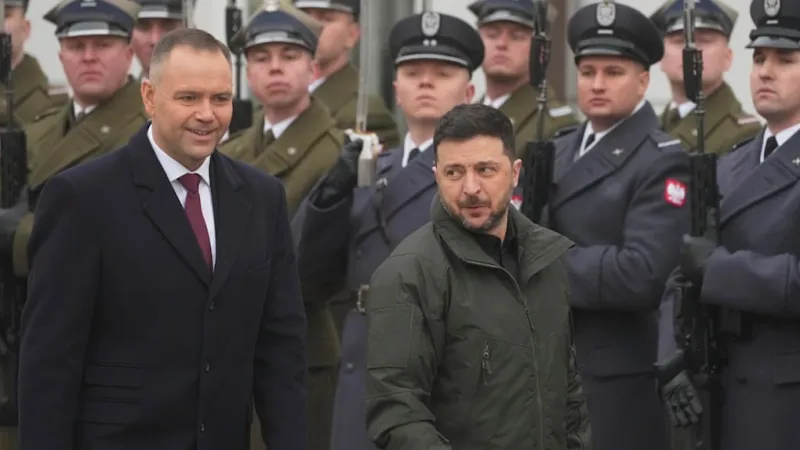
Warsaw, Poland – A profound diplomatic rift between Poland and Ukraine has culminated in Poland's decision to revoke its highest state decoration from Ukrainian President Volodymyr Zelenskyy. The unprecedented move, announced Tuesday by Polish authorities, stems from an escalating dispute over the name of a specific Ukrainian army unit, a matter that has drawn sharp condemnation from Kyiv.
The controversy centers on a Ukrainian military unit whose designation evokes a contentious period in the two nations' shared history. Polish officials have repeatedly voiced their deep concerns, asserting that the unit's name glorifies figures or events considered by Warsaw to be symbols of past atrocities against Poles. This historical interpretation forms the bedrock of Poland's firm stance in the escalating disagreement.
Polish state media reported that the formal decree withdrawing the Order of the White Eagle, Poland's most prestigious civilian and military award, was signed by the Polish President earlier in the day. This act signifies a significant downturn in bilateral relations, which had otherwise been largely characterized by solidarity since the full-scale Russian invasion of Ukraine.
Following the announcement, Ukrainian Foreign Minister Dmytro Kuleba swiftly issued a statement, expressing profound disappointment and calling the Polish decision an unjustified step. Kuleba emphasized that such actions risked undermining the broader European unity crucial for countering ongoing external threats, particularly those emanating from Moscow.
President Zelenskyy originally received the Order of the White Eagle in 2023, bestowed upon him in recognition of his leadership, unwavering courage, and significant contributions to bolstering security in the region amidst the full-scale conflict with Russia. The award symbolized the strong alliance and mutual support between Poland and Ukraine during a critical historical juncture.
The revocation now casts a shadow over a partnership that has seen Poland serve as a vital conduit for Western military aid and humanitarian assistance to Ukraine. Poland has hosted millions of Ukrainian refugees and vocally advocated for Ukraine's integration into Euro-Atlantic structures, making this diplomatic fissure particularly unsettling for observers.
Analysts suggest the dispute reflects deep-seated historical sensitivities that, while often overshadowed by immediate geopolitical imperatives, continue to shape foreign policy and public sentiment in both countries. The naming of military units, often intended to honor national heroes, can inadvertently ignite historical grievances, demonstrating the delicate balance required in international relations.
The fallout from this decision could complicate future coordinated efforts within the European Union and NATO to support Ukraine. A weakening of the Polish-Ukrainian bond might create vulnerabilities in the united front against Russian aggression, a concern echoed by several European diplomats speaking off the record.
While both nations share a common adversary in Russia, incidents such as this highlight the internal challenges of maintaining a cohesive alliance. The ongoing conflict in Ukraine continues to test international resolve, with Ukrainian cities like Kharkiv facing relentless attacks, underscoring the urgent need for unity.
The Polish government has urged Kyiv to reconsider the unit's designation, framing the issue as a matter of historical truth and national dignity. Ukrainian officials, conversely, view the unit's name as an internal sovereign matter, reflecting their own national narrative and right to self-determination.
Calls for de-escalation have emerged from various international bodies, emphasizing the strategic importance of sustained cooperation between Warsaw and Kyiv. Diplomacy will be crucial in navigating this contentious issue to prevent further erosion of trust and to preserve the broader alliance against shared threats.
This incident serves as a stark reminder that even close allies, bound by common geopolitical interests, can face significant challenges when historical interpretations and national symbols collide. The resolution of this specific dispute will likely impact the trajectory of Polish-Ukrainian relations for the foreseeable future.