 Debby Wijaya
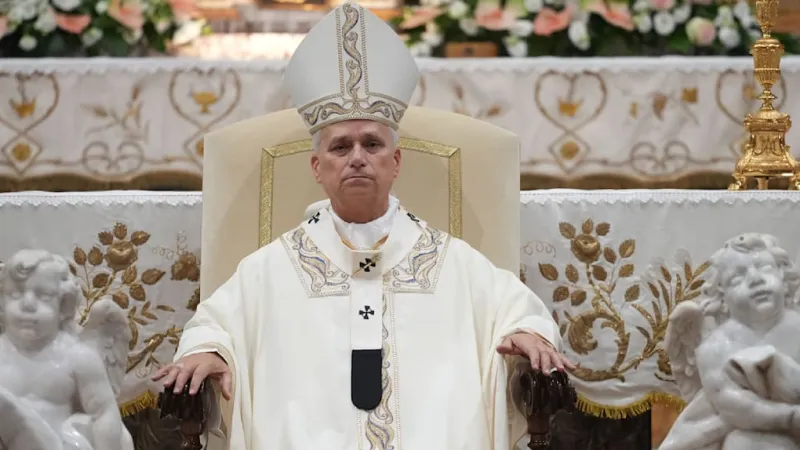
VATICAN CITY – Pope Leo now confronts intensified scrutiny over the enduring clergy abuse crisis, specifically concerning sacred artist Marko Rupnik, whose past high standing under Pope Francis, despite numerous abuse allegations, continues to cast a significant shadow over the current pontificate. The situation highlights the Vaticans ongoing struggle to reconcile its past handling of such egregious claims with calls for greater accountability and transparency.
The allegations against Rupnik, a renowned Jesuit artist, involve multiple women accusing him of spiritual and psychological manipulation alongside sexual abuse over decades. These claims, which span various periods of his career, have deeply unsettled victims and observers globally, further eroding trust in the churchs institutions.
Under Pope Francis, Rupnik maintained a position of considerable esteem, contributing to significant liturgical art installations worldwide and even receiving accolades from within the Vatican. This perceived leniency or oversight during the prior pontificate forms a crucial element of the current criticism leveled at the church hierarchy.
Critics argue that the Vaticans response to Rupniks alleged crimes was inconsistent, with initial disciplinary actions sometimes rescinded or perceived as insufficient. This history has fueled public skepticism regarding the genuine commitment to addressing systemic issues within the church.
Pope Leo has, in response to the escalating controversy, taken demonstrable steps to distance his administration from Rupnik. His pontificate has emphasized a more rigorous approach to allegations of abuse, aiming to signal a clear break from past perceived shortcomings.
This distancing includes actions such as stripping Rupnik of certain privileges and opening new canonical investigations where possible. However, the sheer longevity and severity of the allegations mean that merely severing ties does not fully absolve the institution of its historical responsibilities.
The case of Rupnik is not isolated; it serves as a stark reminder of the broader, entrenched issues within the churchs handling of clergy abuse, which have plagued multiple pontificates. The call for systemic reforms resonates louder with each new revelation.
Observers point to the inherent difficulty in reforming an institution with centuries of tradition and a complex legal framework. Yet, the moral imperative for protection of the vulnerable and accountability for perpetrators remains paramount.
Victims advocacy groups have consistently pressed for comprehensive investigations, greater transparency in church legal processes, and adequate compensation for those who have suffered. Their persistent advocacy plays a critical role in keeping these issues at the forefront of public discourse.
The current pressure on Pope Leo is a direct consequence of this collective demand for justice. His pontificate is now challenged not only to address new cases but also to decisively rectify perceived injustices from previous eras, thereby attempting to restore faith in the churchs moral authority.
The churchs internal legal structures, often criticized for their opacity, are under intense public and media scrutiny. The manner in which cases like Rupniks are ultimately resolved will significantly impact the credibility of future Vatican reforms.
This situation also intersects with broader societal discussions about institutional accountability and the protection of vulnerable individuals. The Vaticans actions are watched globally, often serving as a benchmark for other organizations facing similar crises.
The persistent shadow of the abuse crisis demands more than just administrative changes; it requires a profound cultural shift within the church, prioritizing victim welfare and prevention above all else. This ongoing transformation is a defining challenge for Pope Leo.
Experts in canon law and church history suggest that the repercussions of the Rupnik scandal will likely influence papal policy for years to come, shaping how future abuse allegations are handled and how the church engages with artists and influential figures.
The case underscores the intricate balance between artistic legacy and moral culpability. While Rupniks sacred art has garnered international recognition, the gravity of the allegations casts a pall over his artistic contributions, prompting difficult ethical considerations.
Vatican officials, speaking anonymously due to the sensitivity of the matter, indicate a heightened awareness within the Curia regarding the need for swift and decisive action in abuse cases, contrasting with earlier, slower responses.
The coming months will be critical for Pope Leo as his administration navigates these treacherous waters. The world watches to see if rhetoric translates into enduring, meaningful change that can finally bring a measure of peace to the victims and reform to the institution.
This struggle for credibility against a backdrop of past failings is not unique to the Catholic Church, but its global reach and moral authority amplify the stakes. The path forward for Pope Leo is fraught with challenges, yet the necessity for a clear stance remains undeniable.