 Edward DP Situmorang
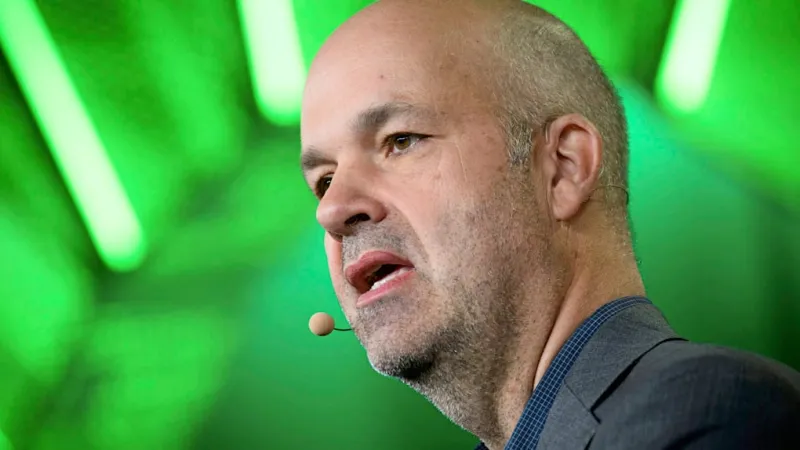
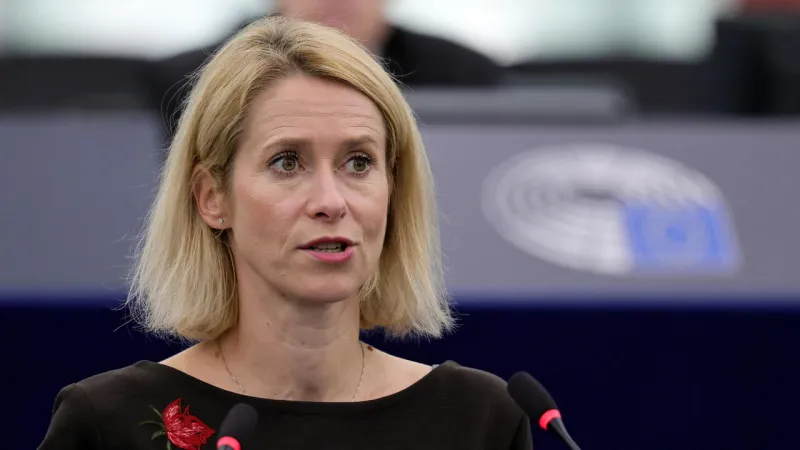
Berlin—Leading German economists have sharply criticized renewed proposals for a national fuel discount, with prominent voices denouncing the measure as "cynical" and warning it would ultimately disappoint citizens by offering only fleeting relief. The critiques come from government advisor Veronika Grimm, a member of the German Council of Economic Experts, and Marcel Fratzscher, President of the German Institute for Economic Research (DIW), amidst ongoing debates in Germany over strategies to alleviate consumer cost burdens in 2026.
Grimm, whose counsel helps shape national economic policy, explicitly stated that the latest iteration of a fuel discount proposal was "cynical." Her assessment reflects a deep skepticism within economic circles regarding the efficacy and fairness of such broad-brush subsidies. Economists argue that the benefits of price interventions at the pump often fail to fully reach consumers, instead being partially absorbed by fuel companies through adjusted pricing strategies.
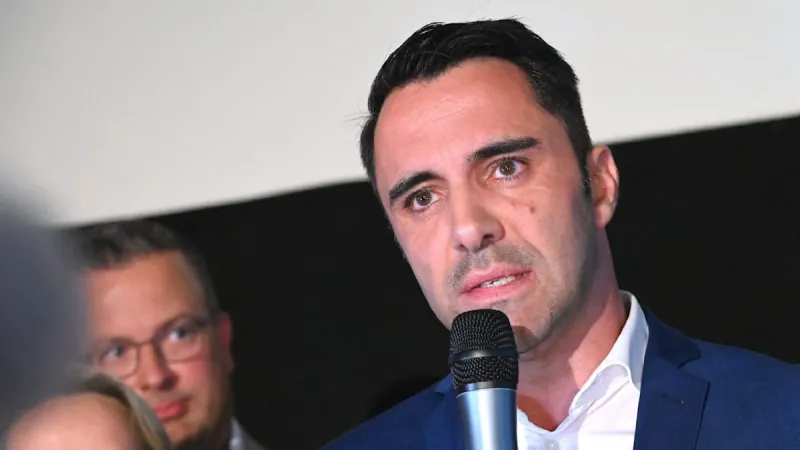
Fratzscher echoed these concerns, cautioning that a fuel discount would only lead to public "disappointment." He emphasized that while initially appealing, any relief provided would quickly become invisible to consumers, failing to offer substantial long-term financial alleviation. Such measures, he posited, merely treat symptoms without addressing the underlying causes of higher energy costs or offering sustainable solutions.
Germany has previously experimented with a fuel discount. In 2022, a similar measure was introduced, temporarily reducing taxes on fuel. While intended to soften the blow of soaring energy prices, analyses conducted afterward indicated that a significant portion of the subsidy did not translate into lower prices for motorists but rather boosted profits for mineral oil companies. This historical precedent fuels the current skepticism among experts.
Critics highlight that an untargeted fuel discount distorts market signals. By artificially lowering prices, it inadvertently incentivizes greater fuel consumption, running counter to climate goals and efforts to promote energy efficiency and alternative modes of transportation. It fails to encourage a necessary shift in consumer behavior or investment in sustainable mobility infrastructure.
Economists advocate for more targeted approaches to support vulnerable households. Instead of blanket subsidies benefiting all drivers irrespective of need, they propose direct financial aid to low-income individuals and families. This method ensures that relief reaches those who need it most, without inadvertently stimulating demand for fossil fuels or creating massive fiscal burdens for the state.
The debate over fuel discounts unfolds against a complex economic backdrop in Germany. While some forecasts suggest a robust economic trajectory, with Germany's 2026 Growth Forecast Triples Amid Strong Performance, inflation remains a persistent concern for many households. The government faces pressure to respond to public sentiment regarding living costs, yet economists urge prudence in policy design.
Political considerations often drive calls for such discounts. Facing public frustration over inflation and energy prices, policymakers might view a fuel discount as a visible and immediate response to voter concerns. However, economists argue that these short-term political gains come at the expense of sound economic principles and long-term stability.
The core message from these leading economists is clear: genuine economic relief and sustainable policy require structural solutions. This includes investing in energy independence, modernizing infrastructure, and implementing targeted social welfare programs rather than relying on temporary price manipulations that are fiscally expensive and economically inefficient.
Ultimately, the strong admonitions from Veronika Grimm and Marcel Fratzscher underscore a fundamental tension in policy-making: the perceived need for immediate public relief versus the pursuit of effective, sustainable economic strategies. Their criticism of the proposed fuel discount serves as a significant warning against policies that offer superficial comfort at a considerable cost.